







Archive: People and Markets
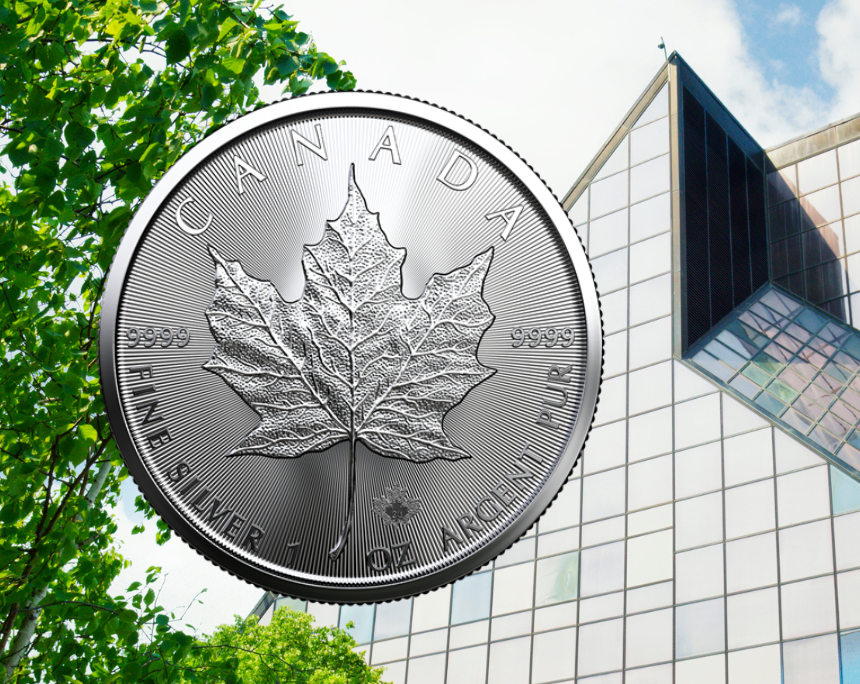
Royal Canadian Mint Reports First Quarter 2024 Financial Results
The Royal Canadian Mint has released its financial results for the year 2023 and the first quarter of 2024, offering insights into its activities, market influences, and expectations for the coming year.
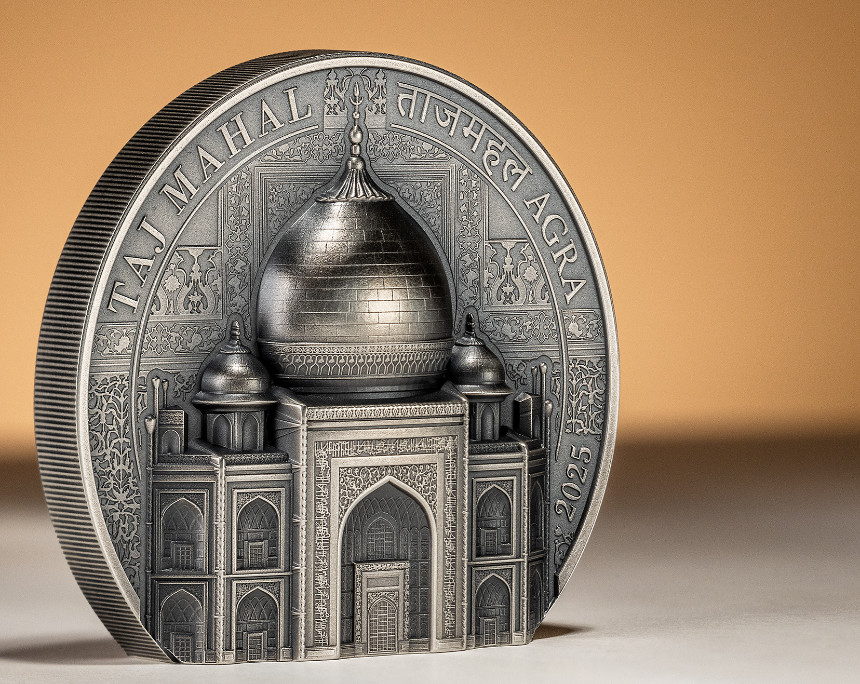
CIT’s Historical Monuments – Taj Mahal
The Taj Mahal is considered the most beautiful testimony to Islamic architecture in India and a symbol of love in stone. CIT chose this wonderful building as the subject of the 2025 issue in the Historical Monuments series.
Archive: Coins, Medals and more
 https://new.coinsweekly.com/wp-content/uploads/2025/04/2025KW16HA03_00.jpg
684
860
Lucie Loechel
https://new.coinsweekly.com/wp-content/uploads/2023/01/logo-coinsweekly_590x204.png
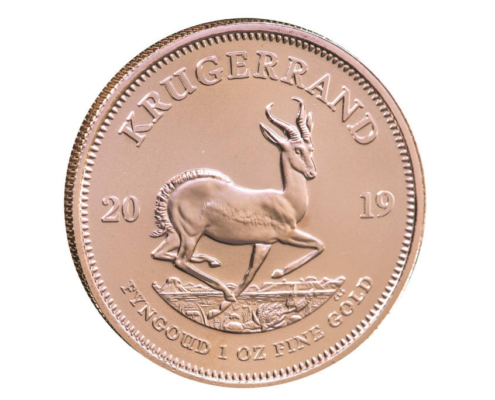
Lucie Loechel2025-04-17 08:26:292025-04-17 11:49:37The Birth of the Krugerrand
https://new.coinsweekly.com/wp-content/uploads/2025/04/2025KW16HA03_00.jpg
684
860
Lucie Loechel
https://new.coinsweekly.com/wp-content/uploads/2023/01/logo-coinsweekly_590x204.png
Lucie Loechel2025-04-17 08:26:292025-04-17 11:49:37The Birth of the Krugerrand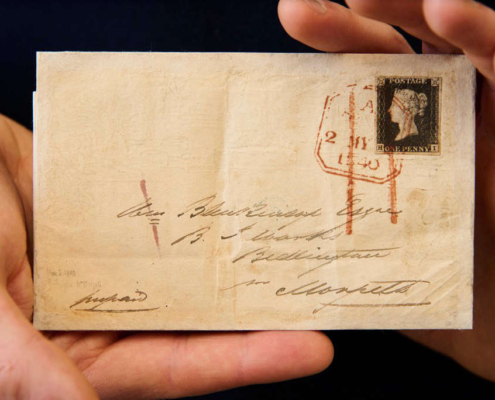 https://new.coinsweekly.com/wp-content/uploads/2024/01/2024KW05HA_00.jpg
684
860
Ursula Kampmann
https://new.coinsweekly.com/wp-content/uploads/2023/01/logo-coinsweekly_590x204.png
Ursula Kampmann2024-01-31 13:34:492024-01-31 13:34:49The First Piece of Mail Sent Using a Stamp to Be Offered at Sotheby’s
https://new.coinsweekly.com/wp-content/uploads/2024/01/2024KW05HA_00.jpg
684
860
Ursula Kampmann
https://new.coinsweekly.com/wp-content/uploads/2023/01/logo-coinsweekly_590x204.png
Ursula Kampmann2024-01-31 13:34:492024-01-31 13:34:49The First Piece of Mail Sent Using a Stamp to Be Offered at Sotheby’s
Fiasco – A Cautionary Tale of What’s to Come Once the New EU Import Regulation Comes Into Force
If you want to get an idea of how enforcement might work under the European Union’s new import licensing regulation after June 28, 2025, here is a cautionary tale, shared by Ivan Macquisten.
Jewish-American Hall of Fame Medal Series Ends after 54 Years
All good things must come to an end, even the longest-running medal series in the United States: Mel Wacks, Director of the Jewish-American Hall of Fame, has announced that the series about important Jewish Americans will not be continued.