











Archive: People and Markets

Evento Numismático Internacional
There is a new coin show aimed at the Spanish-speaking world: from 26 to 29 June 2024, the first Evento Numismático Internacional will take place at the prestigious Four Seasons Hotel in Madrid, and will include a coin show, numerous presentations and an extensive cultural programme.

Putting Survival Ratios of Ancient Coinages Into Perspective – Here Comes the Program!
On 5th October 2024, the 7th International Numismatic Conference of the Coin Cabinet of the Royal Library of Belgium will be held in Brussels. The Program has now been published.
Archive: Coins, Medals and more
 https://new.coinsweekly.com/wp-content/uploads/2025/04/2025KW16HA01_00.jpg
684
860
Lucie Loechel
https://new.coinsweekly.com/wp-content/uploads/2023/01/logo-coinsweekly_590x204.png
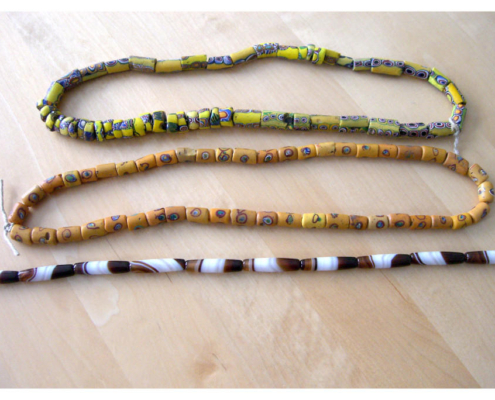
Lucie Loechel2025-04-17 08:34:042025-04-17 14:10:25What People Used to Pay With in South Africa
https://new.coinsweekly.com/wp-content/uploads/2025/04/2025KW16HA01_00.jpg
684
860
Lucie Loechel
https://new.coinsweekly.com/wp-content/uploads/2023/01/logo-coinsweekly_590x204.png
Lucie Loechel2025-04-17 08:34:042025-04-17 14:10:25What People Used to Pay With in South Africa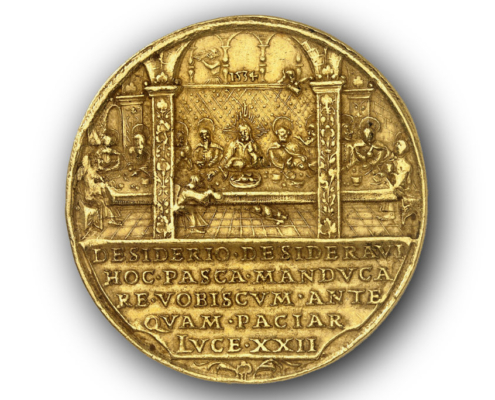 https://new.coinsweekly.com/wp-content/uploads/2025/01/2025KW02HA_00.jpg
684
860
Lucie Loechel
https://new.coinsweekly.com/wp-content/uploads/2023/01/logo-coinsweekly_590x204.png
Lucie Loechel2025-01-09 10:35:332025-01-09 14:45:59Joachimsthal and the Reformation
https://new.coinsweekly.com/wp-content/uploads/2025/01/2025KW02HA_00.jpg
684
860
Lucie Loechel
https://new.coinsweekly.com/wp-content/uploads/2023/01/logo-coinsweekly_590x204.png
Lucie Loechel2025-01-09 10:35:332025-01-09 14:45:59Joachimsthal and the Reformation
COTY Awards Have an In-Person Ceremony Again
For many years the Coin of the Year Awards have been given in a ceremony during the World Money Fair in Berlin. In 2023, the program will conduct again an in-person awards ceremony after a three-year hiatus due to the pandemic – but in another place.
How the Romans Made Counterfeits
Counterfeits have been around in ancient Roman times, too – usually, they were cast from a copper-tin alloy. Researchers at the University of Tübingen examined the counterfeiting process and reconstructed it experimentally. A video documents their experiment.