







Archive: People and Markets
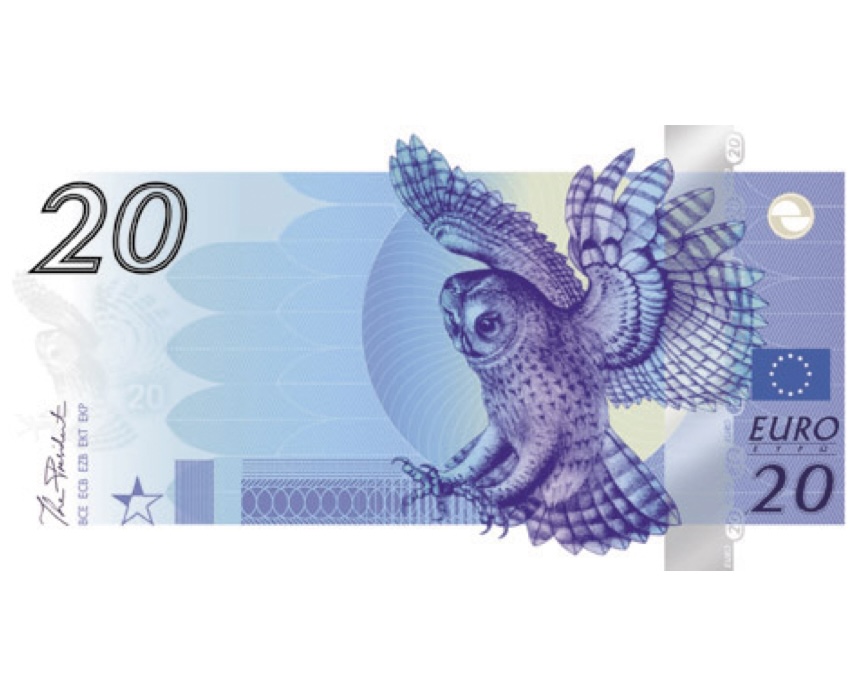
Possible Motifs Selected for Future Euro Banknotes
The Governing Council of the European Central Bank (ECB) has agreed on potential motifs for future Euro banknotes.
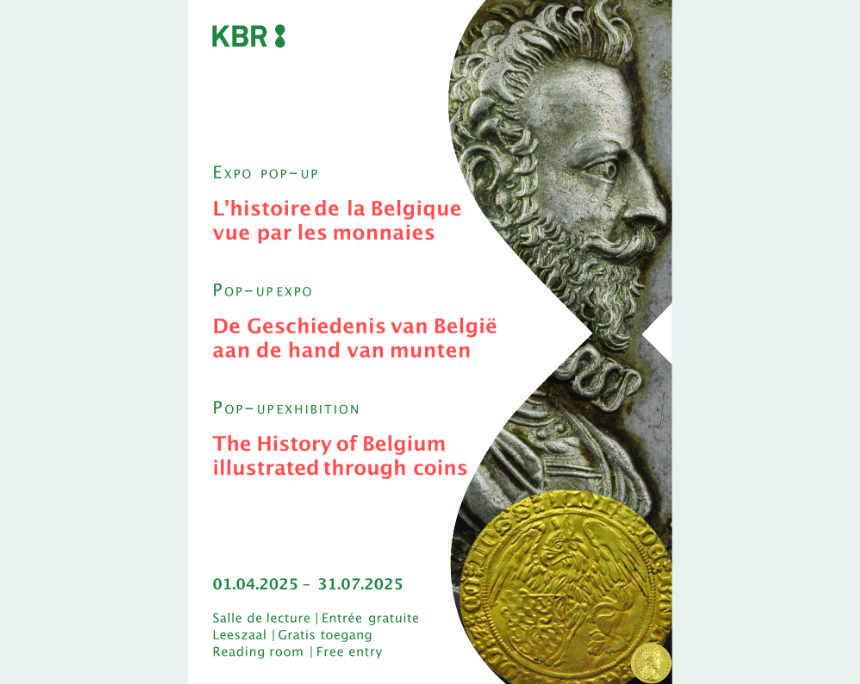
Pop-Up Expo at the Royal Library of Belgium: The Past in Metal
The Department of Coins & Medals at the Royal Library of Belgium (KBR) invites you on a journey through Belgium’s history via coins – from the ancient Eburones to emergency money from the Eighty Years’ War and objects used as currency in colonial Congo.
Archive: Coins, Medals and more
 https://new.coinsweekly.com/wp-content/uploads/2024/01/2024KW05HA_00.jpg
684
860
Ursula Kampmann
https://new.coinsweekly.com/wp-content/uploads/2023/01/logo-coinsweekly_590x204.png
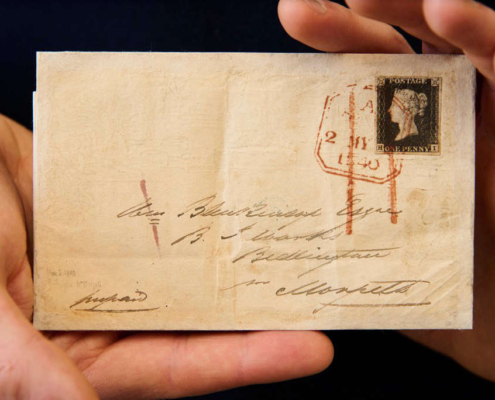
Ursula Kampmann2024-01-31 13:34:492024-01-31 13:34:49The First Piece of Mail Sent Using a Stamp to Be Offered at Sotheby’s
https://new.coinsweekly.com/wp-content/uploads/2024/01/2024KW05HA_00.jpg
684
860
Ursula Kampmann
https://new.coinsweekly.com/wp-content/uploads/2023/01/logo-coinsweekly_590x204.png
Ursula Kampmann2024-01-31 13:34:492024-01-31 13:34:49The First Piece of Mail Sent Using a Stamp to Be Offered at Sotheby’s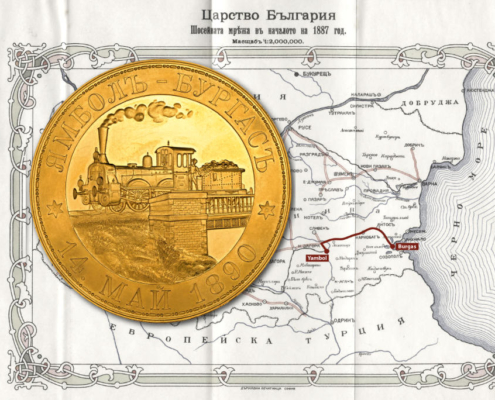 https://new.coinsweekly.com/wp-content/uploads/2023/10/2023KW43HA_00.jpg
684
860
Ursula Kampmann
https://new.coinsweekly.com/wp-content/uploads/2023/01/logo-coinsweekly_590x204.png
Ursula Kampmann2023-10-26 09:05:112023-10-26 11:52:11Bulgaria, Prince Ferdinand I and the Railroad
https://new.coinsweekly.com/wp-content/uploads/2023/10/2023KW43HA_00.jpg
684
860
Ursula Kampmann
https://new.coinsweekly.com/wp-content/uploads/2023/01/logo-coinsweekly_590x204.png
Ursula Kampmann2023-10-26 09:05:112023-10-26 11:52:11Bulgaria, Prince Ferdinand I and the Railroad
Alexandria in Nummis – International Symposium in Lugano 2024
The Circolo Numismatico Ticinese presents the program to the international symposium “Alexandria in Nummis” dedicated to the Roman Imperial Coinage of Alexandria.
New Euro Banknotes – It Will Be One of These Two Themes
It is intended that euro banknotes are redesigned every 10 to 15 years. This is a long process that already has been going on for a while. The search is currently on for a theme for the future designs. Two finalists have now been chosen.