







Archive: People and Markets

CCG to Open Tokyo Office in 2024
The Certified Collectibles Group® announced that it will open an office in Tokyo, Japan, in 2024. The new CCG office will make it easier for collectors and dealers in Japan and the surrounding region to submit to NGC, PMG and CGC.
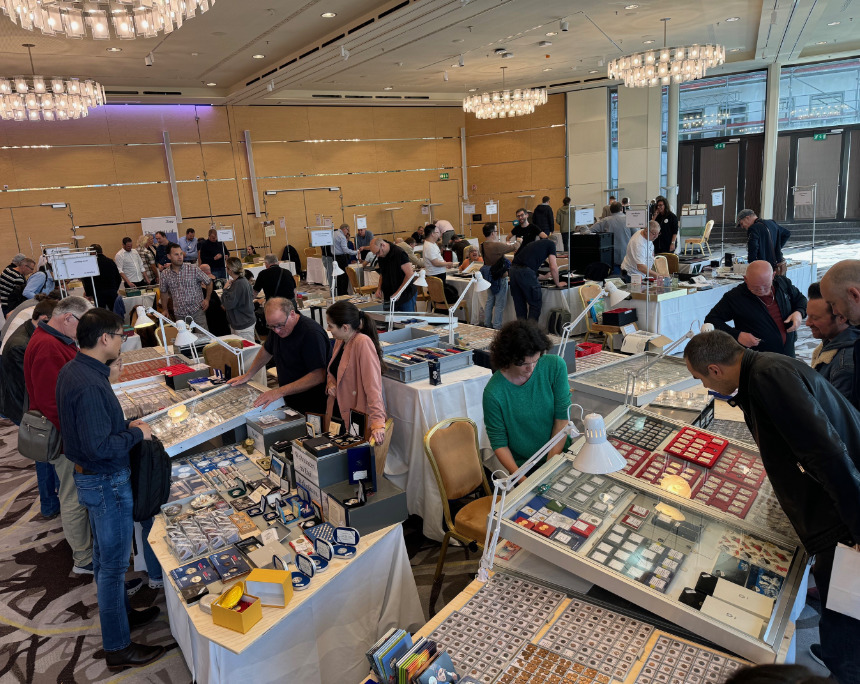
Numindex Update: Prices for Mid-Grade Coins Are on the Rise
Even the Prices for mid-grade coins are on the rise at the moment. That is confirmed by the coin price index numindex. Michael Zagorowski tells us about the causes and recent observations in the trade and at coin shows.
Archive: Coins, Medals and more
 https://new.coinsweekly.com/wp-content/uploads/2024/07/2024KW30HA_00.jpg
684
860
Sebastian Wieschowski
https://new.coinsweekly.com/wp-content/uploads/2023/01/logo-coinsweekly_590x204.png
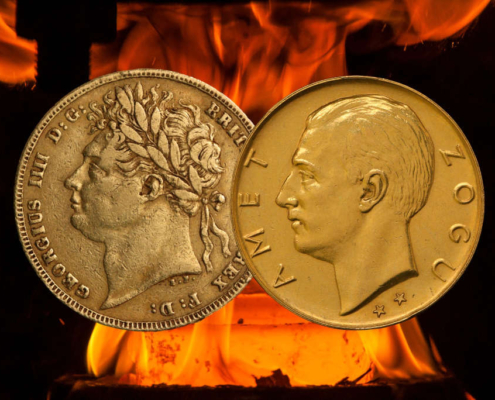
Sebastian Wieschowski2024-07-25 09:00:162024-07-25 09:26:11Gold at Record Highs: Melt Down or Preserve Historic Gold Coins?
https://new.coinsweekly.com/wp-content/uploads/2024/07/2024KW30HA_00.jpg
684
860
Sebastian Wieschowski
https://new.coinsweekly.com/wp-content/uploads/2023/01/logo-coinsweekly_590x204.png
Sebastian Wieschowski2024-07-25 09:00:162024-07-25 09:26:11Gold at Record Highs: Melt Down or Preserve Historic Gold Coins?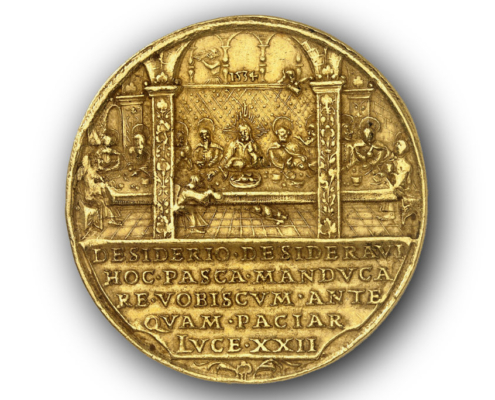 https://new.coinsweekly.com/wp-content/uploads/2025/01/2025KW02HA_00.jpg
684
860
Lucie Loechel
https://new.coinsweekly.com/wp-content/uploads/2023/01/logo-coinsweekly_590x204.png
Lucie Loechel2025-01-09 10:35:332025-01-09 14:45:59Joachimsthal and the Reformation
https://new.coinsweekly.com/wp-content/uploads/2025/01/2025KW02HA_00.jpg
684
860
Lucie Loechel
https://new.coinsweekly.com/wp-content/uploads/2023/01/logo-coinsweekly_590x204.png
Lucie Loechel2025-01-09 10:35:332025-01-09 14:45:59Joachimsthal and the Reformation
CoinsWeekly Special Issue for the TICC Tokyo 2025
After overwhelming interest in the last years, we have once again published a printed CoinsWeekly Special Issue for TICC 2025, which takes place in Tokyo from April 26 to 28. If you can’t make it to Tokyo, you can download the PDF here.
Red Alert at the British Museum
Thousands of objects have disappeared from the British Museum – allegedly stolen by a senior curator. The matter was uncovered by an antiquities dealer, whose warnings fell on deaf ears. The museum’s director has stepped down, and this seems to be merely the tip of the iceberg.