











Archive: People and Markets

A Family Reunion of the World of Coins: The 2025 World Money Fair
Every year, the World Money Fair is a very special experience. So it’s no wonder that thousands of people from all over the world travel to Berlin when the largest international coin fair opens its doors. Of course, we were there, too.
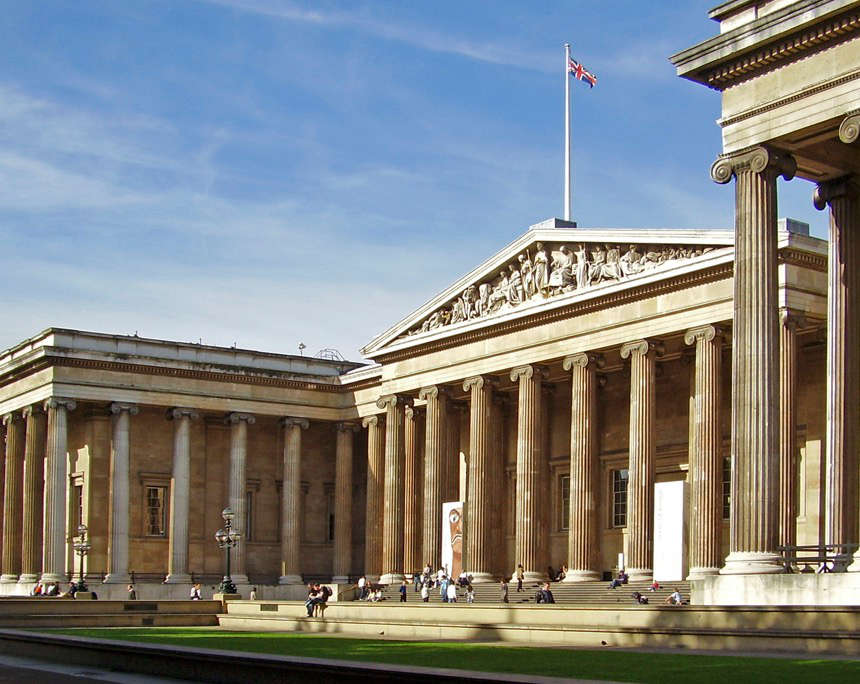
British Museum Sets Out Plans to Digitize Fully the Collection
After the disappearance of thousands of objects, the British Museum aims to document all of their over 2 million objects within the next five years and make them available online. Mark Jones on why he wants to increase access to the objects now.
Archive: Coins, Medals and more
 https://new.coinsweekly.com/wp-content/uploads/2025/05/2025KW19HA01_00.jpg
684
860
Lucie Loechel
https://new.coinsweekly.com/wp-content/uploads/2023/01/logo-coinsweekly_590x204.png
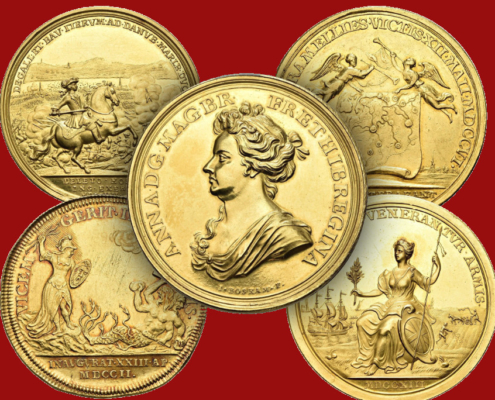
Lucie Loechel2025-05-08 10:15:222025-05-08 10:15:22Queen Anne: Great Britain on Its Way to Becoming a Global Power
https://new.coinsweekly.com/wp-content/uploads/2025/05/2025KW19HA01_00.jpg
684
860
Lucie Loechel
https://new.coinsweekly.com/wp-content/uploads/2023/01/logo-coinsweekly_590x204.png
Lucie Loechel2025-05-08 10:15:222025-05-08 10:15:22Queen Anne: Great Britain on Its Way to Becoming a Global Power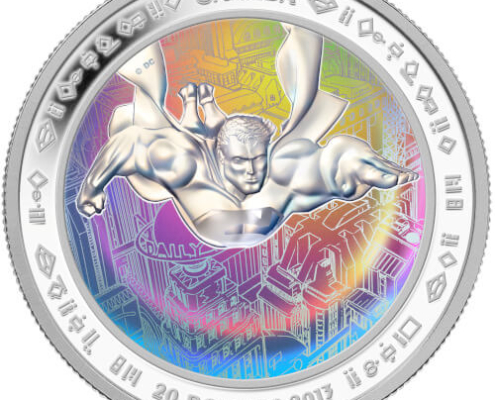 https://new.coinsweekly.com/wp-content/uploads/2023/06/00-7.jpg
496
500
Bruno
https://new.coinsweekly.com/wp-content/uploads/2023/01/logo-coinsweekly_590x204.png
Bruno2022-06-13 12:00:272023-07-03 14:53:25State-of-the-Art Minting Technology
https://new.coinsweekly.com/wp-content/uploads/2023/06/00-7.jpg
496
500
Bruno
https://new.coinsweekly.com/wp-content/uploads/2023/01/logo-coinsweekly_590x204.png
Bruno2022-06-13 12:00:272023-07-03 14:53:25State-of-the-Art Minting Technology
The First Ultra High Relief Coin with Partial Gilding of the Croatian Mint
On 24 January 2024, two “Trsat Dragon” collector coins were released. A new issue featuring the same motif has been added to the successful series on 14 November: the Croatian Mint presents its first coin with ultra high relief and with partial gilding.
Sack & Kiesselbach at the World Money Fair
What does it mean for a technical supplier of the minting industry to set up a booth at the World Money Fair? Markus Schlein, CEO of Sack & Kiesselbach, explains how he prepares for the event and how he experiences the WMF.