











Archive: People and Markets
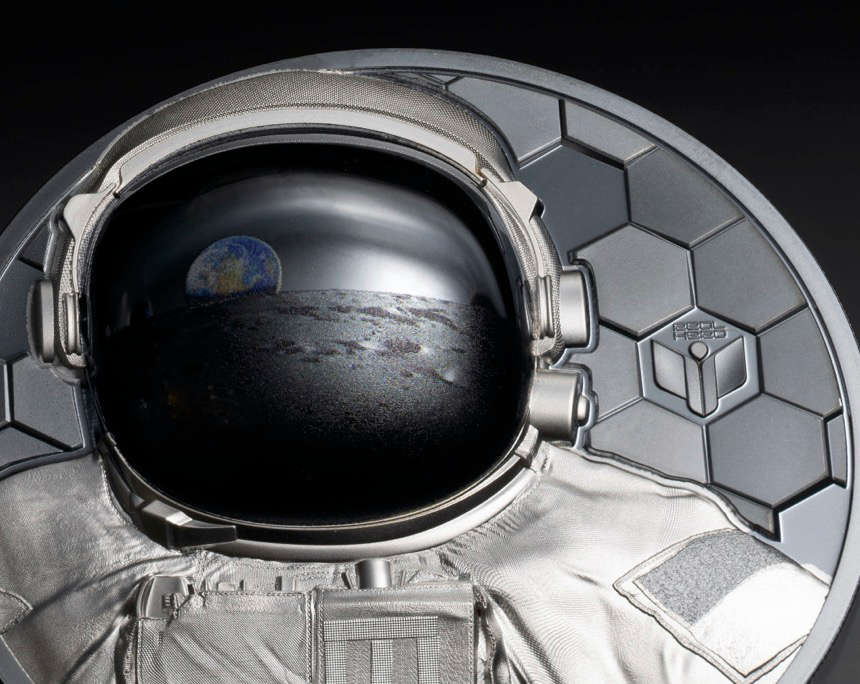
CIT: The Last Issue in the Real Heroes Series – Astronaut
With the last issue of the Real Heroes series, CIT pays tribute to the courage of astronauts. The focus is on an iconic scene that was implemented with technical perfection as a reflection in the visor of a spacesuit.
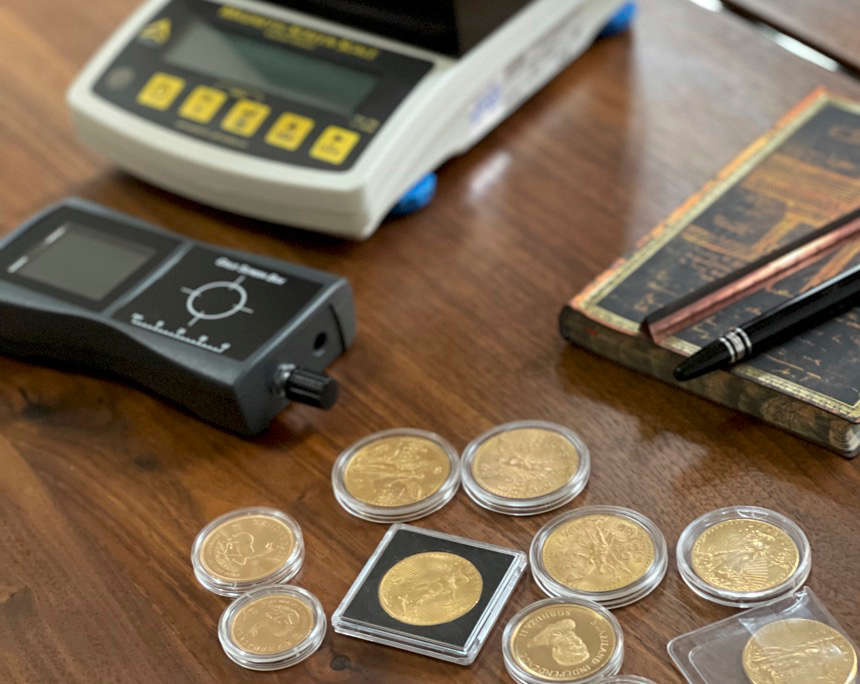
Interview: Are Modern Collector Coins a Sensible Investment?
It is becoming increasingly popular to buy coins as a form of investment, but this can be risky if the buyer lacks the necessary expertise. We spoke to someone who really knows their stuff: Dirk Wasserthal, Managing Director of RareCoin.Store and expert in rarities of modern numismatics, tells us what to look out for.
Archive: Coins, Medals and more
 https://new.coinsweekly.com/wp-content/uploads/2023/06/2023KW24HA00.jpg
500
497
Bruno
https://new.coinsweekly.com/wp-content/uploads/2023/01/logo-coinsweekly_590x204.png
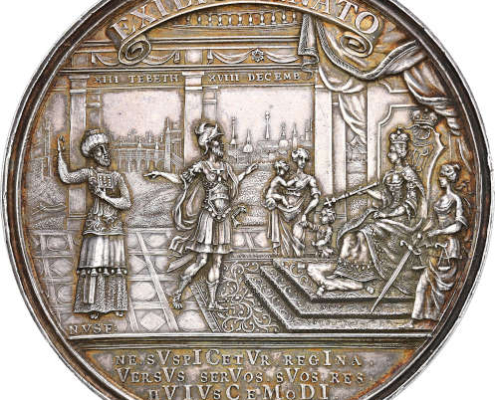
Bruno2023-06-14 09:53:382023-06-27 11:20:26Maria Theresa and Her Persecution of Jews
https://new.coinsweekly.com/wp-content/uploads/2023/06/2023KW24HA00.jpg
500
497
Bruno
https://new.coinsweekly.com/wp-content/uploads/2023/01/logo-coinsweekly_590x204.png
Bruno2023-06-14 09:53:382023-06-27 11:20:26Maria Theresa and Her Persecution of Jews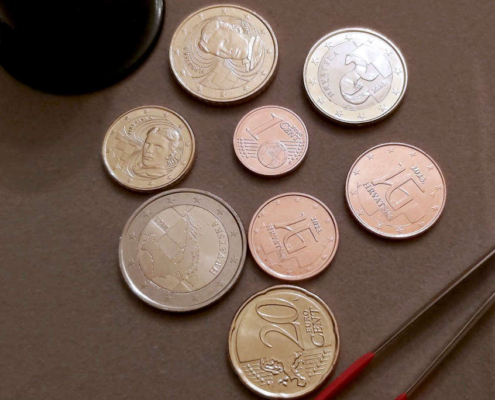 https://new.coinsweekly.com/wp-content/uploads/2023/11/2023KW46HA_00.jpg
684
860
Ursula Kampmann
https://new.coinsweekly.com/wp-content/uploads/2023/01/logo-coinsweekly_590x204.png
Ursula Kampmann2023-11-16 09:14:582023-11-16 09:23:58The First Error Coins from Croatia
https://new.coinsweekly.com/wp-content/uploads/2023/11/2023KW46HA_00.jpg
684
860
Ursula Kampmann
https://new.coinsweekly.com/wp-content/uploads/2023/01/logo-coinsweekly_590x204.png
Ursula Kampmann2023-11-16 09:14:582023-11-16 09:23:58The First Error Coins from Croatia
Access to Cash Becoming More Difficult: Bundesbank Sees Growing Challenges
Despite declining numbers of ATMs and bank branches, the Bundesbank currently still considers access to cash in Germany to be secure. However, in its March 2025 monthly report, it warns of clear downward trends.
Successful December 2023 HKINF
The organizers of the 11th Hong Kong International Numismatic Fair (HKINF) are grateful for the positive feedback they received for the event. The date of the next HKINF has now been announced. Tables are still available.