








Archive: People and Markets
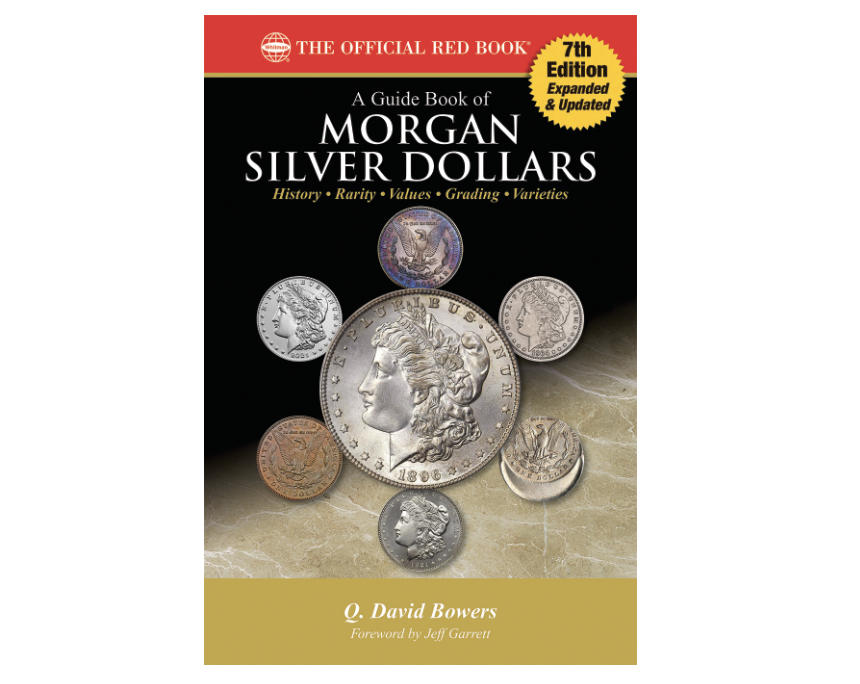
Q. David Bowers’s New Guide Book of Morgan Silver Dollars
The Morgan Dollars are among the most famous and highly collectible US coins. Dennis Tucker discusses the new 7th edition of Q. David Bowers Guide Book and what makes these coins so fascinating.
Happy Birthday! The IADAA Turns 30
The International Association of Dealers in Ancient Art (IADAA) celebrates its 30th anniversary. James Ede, one of the founding fathers, remembers his personal experiences in the association and the antiquities trade.
Archive: Coins, Medals and more
 https://new.coinsweekly.com/wp-content/uploads/2025/05/2025KW22HA01_00.jpg
684
860
Lucie Loechel
https://new.coinsweekly.com/wp-content/uploads/2023/01/logo-coinsweekly_590x204.png
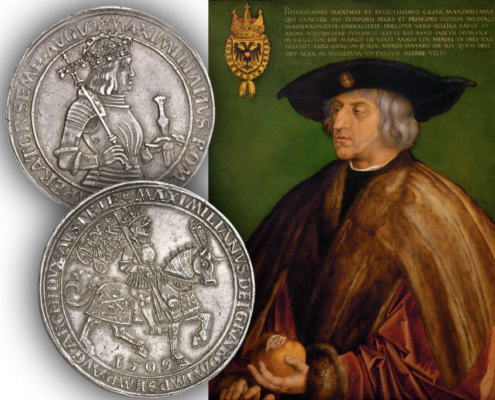
Lucie Loechel2025-05-28 10:29:402025-05-28 10:29:40Maximilian: The Last Knight and / or a Bankrupt
https://new.coinsweekly.com/wp-content/uploads/2025/05/2025KW22HA01_00.jpg
684
860
Lucie Loechel
https://new.coinsweekly.com/wp-content/uploads/2023/01/logo-coinsweekly_590x204.png
Lucie Loechel2025-05-28 10:29:402025-05-28 10:29:40Maximilian: The Last Knight and / or a Bankrupt https://new.coinsweekly.com/wp-content/uploads/2024/10/2024KW44HA_00.jpg
684
860
Lucie Loechel
https://new.coinsweekly.com/wp-content/uploads/2023/01/logo-coinsweekly_590x204.png
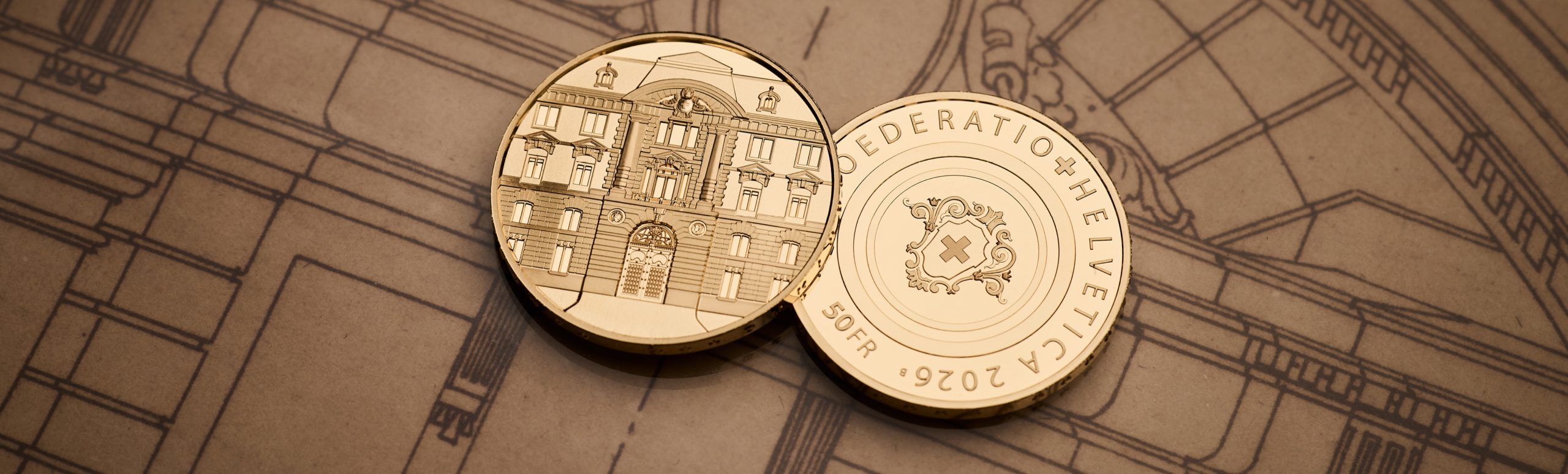
Lucie Loechel2024-10-30 11:12:142024-10-30 11:12:1425 Francs in Gold: Swissmint’s New Gold Coin
https://new.coinsweekly.com/wp-content/uploads/2024/10/2024KW44HA_00.jpg
684
860
Lucie Loechel
https://new.coinsweekly.com/wp-content/uploads/2023/01/logo-coinsweekly_590x204.png
Lucie Loechel2024-10-30 11:12:142024-10-30 11:12:1425 Francs in Gold: Swissmint’s New Gold Coin
PMG Grading On-site in Munich and at MIF Maastricht in Spring 2024
Collectors and dealers will soon be able to submit banknotes to PMG again for the popular for on-site grading – either at the Munich office in April or at the PMG booth at the MIF show in May 2024. More details here.
Suspect Arrested for Double Homicide at Coin Shop Nine Years After the Crime
The double murder of a coin shop owner and a second victim in Cheyenne, Wyoming, lay unsolved for almost a decade. Now a suspect is on trial – the very man who had called the police to the crime scene.