






Archive: People and Markets
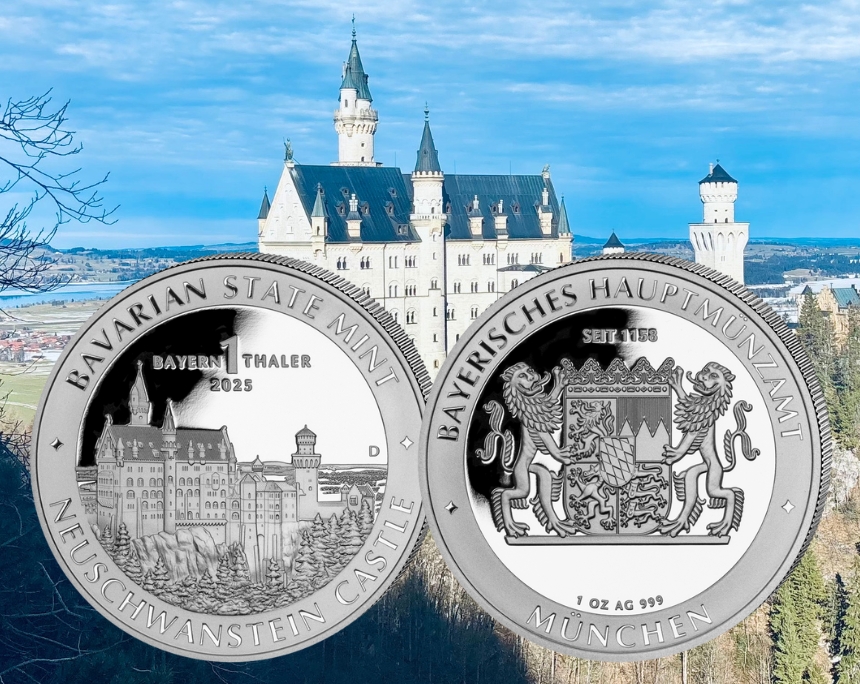
Will the Bayern Thaler Become the Long-Awaited German Bullion Coin?
The Free State of Bavaria has commissioned the Bavarian State Mint to produce a series of precious metal investment products. The “Bayern Thaler” aims to join the ranks of investment icons and is in keeping with the spirit of the times – but there are pitfalls ahead.
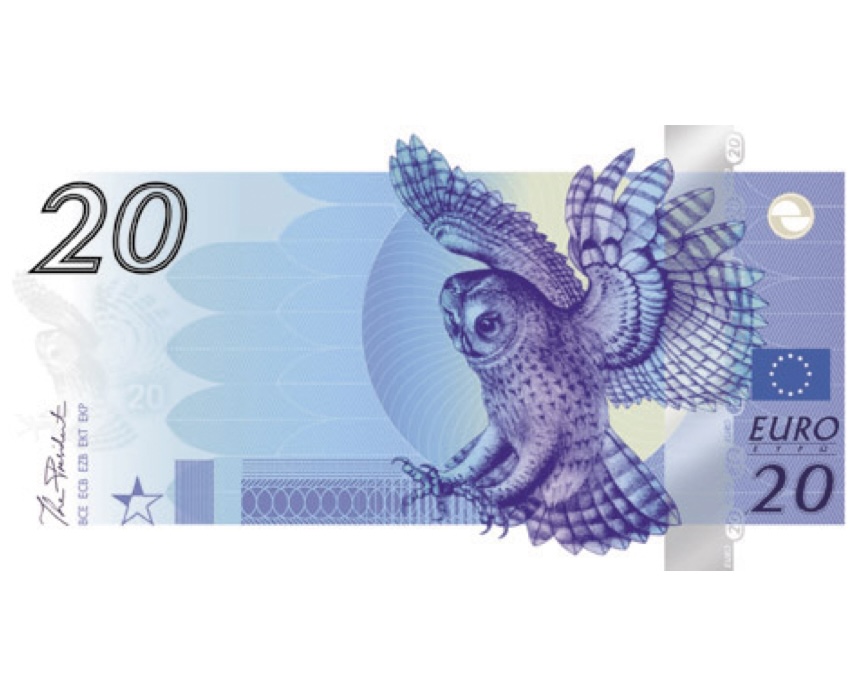
Possible Motifs Selected for Future Euro Banknotes
The Governing Council of the European Central Bank (ECB) has agreed on potential motifs for future Euro banknotes.
Archive: Coins, Medals and more
 https://new.coinsweekly.com/wp-content/uploads/2024/10/2024KW42HA1_00.jpg
684
860
Lucie Loechel
https://new.coinsweekly.com/wp-content/uploads/2023/01/logo-coinsweekly_590x204.png
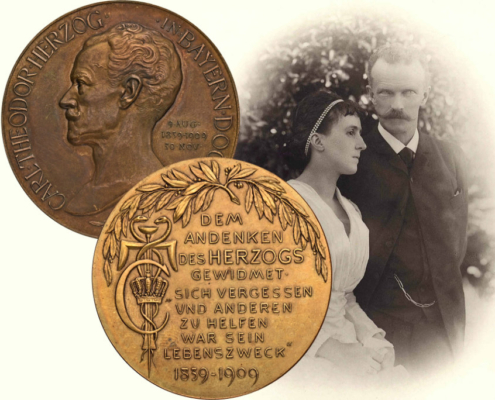
Lucie Loechel2024-10-17 10:51:292024-10-17 15:10:28Carl Theodor in Bavaria: The Old Nobility Takes Up a New Role
https://new.coinsweekly.com/wp-content/uploads/2024/10/2024KW42HA1_00.jpg
684
860
Lucie Loechel
https://new.coinsweekly.com/wp-content/uploads/2023/01/logo-coinsweekly_590x204.png
Lucie Loechel2024-10-17 10:51:292024-10-17 15:10:28Carl Theodor in Bavaria: The Old Nobility Takes Up a New Role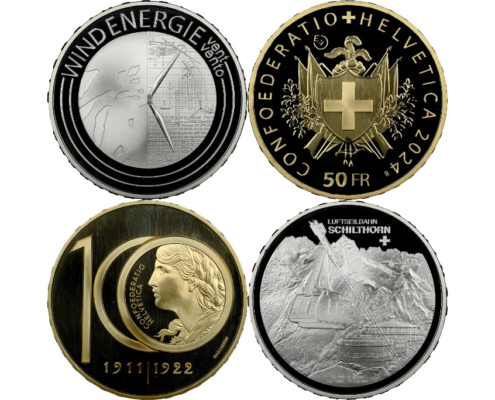 https://new.coinsweekly.com/wp-content/uploads/2024/12/2024KW49HA_00.jpg
684
860
Lucie Loechel
https://new.coinsweekly.com/wp-content/uploads/2023/01/logo-coinsweekly_590x204.png
Lucie Loechel2024-12-05 06:00:382024-12-05 13:32:34Swissmint Patterns at Numismatica Genevensis SA
https://new.coinsweekly.com/wp-content/uploads/2024/12/2024KW49HA_00.jpg
684
860
Lucie Loechel
https://new.coinsweekly.com/wp-content/uploads/2023/01/logo-coinsweekly_590x204.png
Lucie Loechel2024-12-05 06:00:382024-12-05 13:32:34Swissmint Patterns at Numismatica Genevensis SA
Further Investigations into the Stolen Celtic Coin Hoard
Following police success in the case of the stolen Celtic gold hoard, the authorities have made additional details public. It appears that the perpetrators were professionals, but their professionalism was their undoing.
2-Euro Ticker: New Releases in May 2025
Luxembourg celebrates the 25th anniversary of the Grand Duke’s accession – and prepares for his farewell – with a little help from a German mint. Italy, Finland, and Malta also delight the euro coin community with new designs.