







Archive: People and Markets
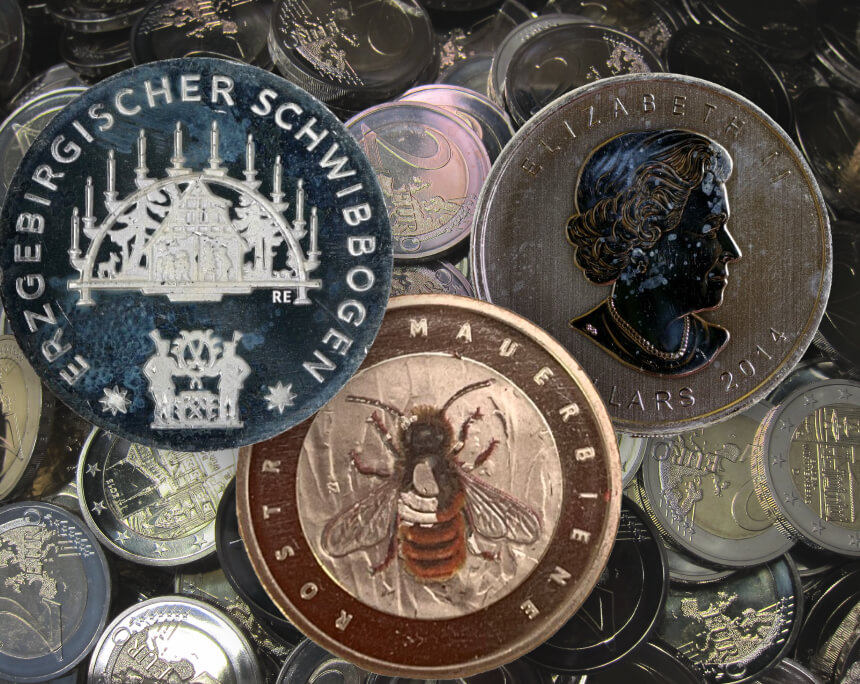
An “Error Coin” No Collector Is Happy About
The quality of the country’s collector coins is the subject of heated debate in Germany. This regards silver coins and colour issues. But the problem is not limited to German mints – the phenomenon of “milk spots” in particular is a major concern for coin producers around the world.
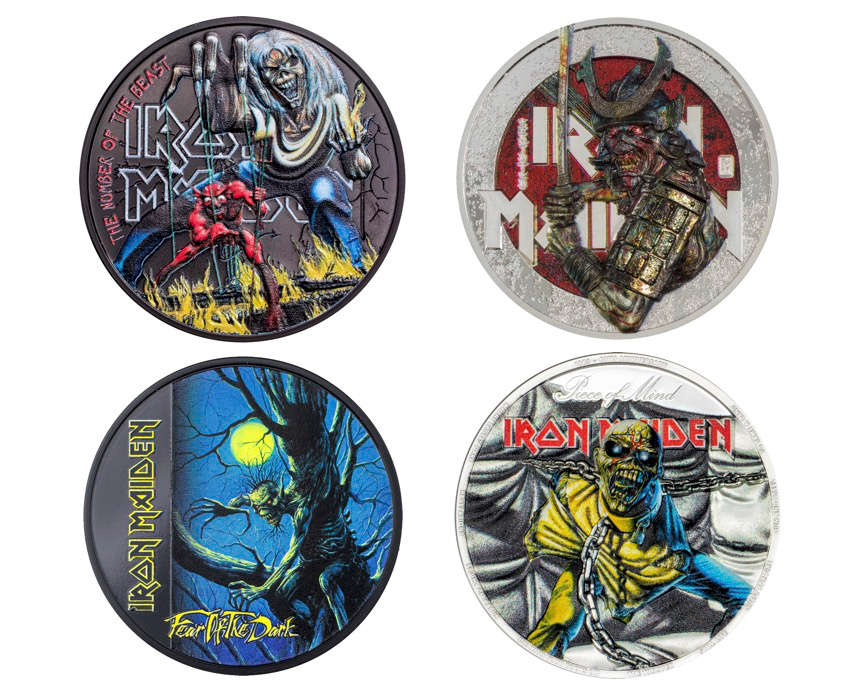
CIT’s Iron Maiden Series: Pop Culture Meets Minting Technology
CIT teamed up with Iron Maiden to release a coin series, celebrating the creativity of one of the world’s most successful heavy metal groups. The British musicians have reinvented themselves time and time again. As a result, no two coins in CIT’s Iron Maiden series are alike. With its latest issue, CIT is now rounding out the series.
Archive: Coins, Medals and more
 https://new.coinsweekly.com/wp-content/uploads/2024/07/2024KW27HA_00.jpg
684
860
Ursula Kampmann
https://new.coinsweekly.com/wp-content/uploads/2023/01/logo-coinsweekly_590x204.png
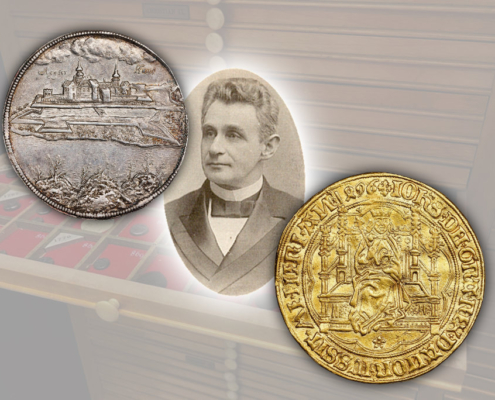
Ursula Kampmann2024-07-04 10:28:022024-07-04 15:03:20Highlights from the Bruun Collection
https://new.coinsweekly.com/wp-content/uploads/2024/07/2024KW27HA_00.jpg
684
860
Ursula Kampmann
https://new.coinsweekly.com/wp-content/uploads/2023/01/logo-coinsweekly_590x204.png
Ursula Kampmann2024-07-04 10:28:022024-07-04 15:03:20Highlights from the Bruun Collection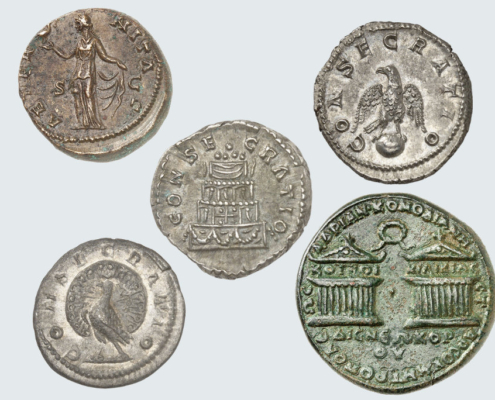 https://new.coinsweekly.com/wp-content/uploads/2024/10/2024KW42HA2_00.jpg
684
860
Lucie Loechel
https://new.coinsweekly.com/wp-content/uploads/2023/01/logo-coinsweekly_590x204.png
Lucie Loechel2024-10-17 10:44:212024-10-17 11:19:35Oh Dear, I Think I’m Becoming a God! Numismatic Testaments to the Consecration of Roman Emperors
https://new.coinsweekly.com/wp-content/uploads/2024/10/2024KW42HA2_00.jpg
684
860
Lucie Loechel
https://new.coinsweekly.com/wp-content/uploads/2023/01/logo-coinsweekly_590x204.png
Lucie Loechel2024-10-17 10:44:212024-10-17 11:19:35Oh Dear, I Think I’m Becoming a God! Numismatic Testaments to the Consecration of Roman Emperors
Switzerland is “Guest of Honor” at the World Money Fair 2025
Next year, Switzerland will be the guest country at the World Money Fair. The Federal Mint Swissmint has a very special highlight in store for the fair: it will be presenting the 100-franc Gold Vreneli anniversary coin to the world for the first time.
Provenanced Coin Finds Versus Rarities – The Importance of Coin Finds for Historical Statistics
Reporting coin finds is essential for the study of coinage. A Workshop in Jordan discussed the importance of coin finds for historical statistics and the experience of a group of Syrian archaeologists who turned to one of the most important groups of coin finders: children.