











Archive: People and Markets
Numisma – The Zoom Seminar Series of the Australian Centre for Ancient Numismatic Studies
Today the online lecture series NUMISMA starts into the second half of the year. Students, researchers and collectors who are interested in ancient coins are very welcome! Find the upcoming lectures here.
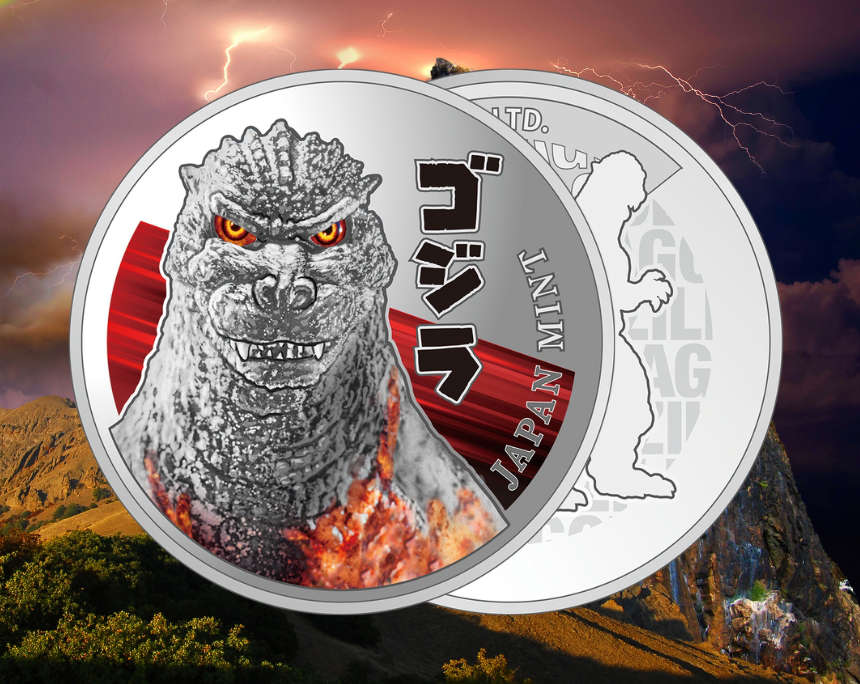
New Coin Sets Mark 70th Anniversary of the Godzilla Series
To commemorate the 70th anniversary of the Godzilla series, two new coin sets have been released: the 70th Anniversary of GODZILLA Series BU Coin Set and the 70th Anniversary of GODZILLA Series 2024 Proof Coin Set.
Archive: Coins, Medals and more
 https://new.coinsweekly.com/wp-content/uploads/2024/11/2024KW46HA1_00.jpg
684
860
Lucie Loechel
https://new.coinsweekly.com/wp-content/uploads/2023/01/logo-coinsweekly_590x204.png
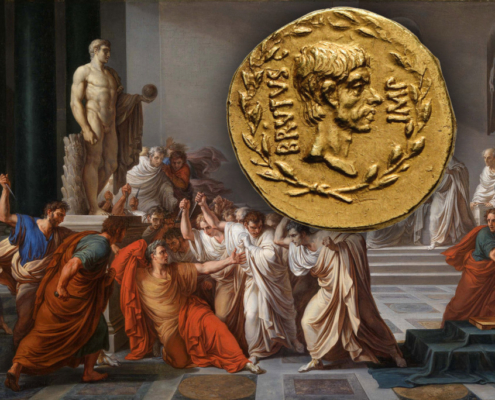
Lucie Loechel2024-11-14 10:03:272024-11-14 10:11:12The Eve of the Battle of Philippi: An Aureus Featuring the Portrait of Brutus
https://new.coinsweekly.com/wp-content/uploads/2024/11/2024KW46HA1_00.jpg
684
860
Lucie Loechel
https://new.coinsweekly.com/wp-content/uploads/2023/01/logo-coinsweekly_590x204.png
Lucie Loechel2024-11-14 10:03:272024-11-14 10:11:12The Eve of the Battle of Philippi: An Aureus Featuring the Portrait of Brutus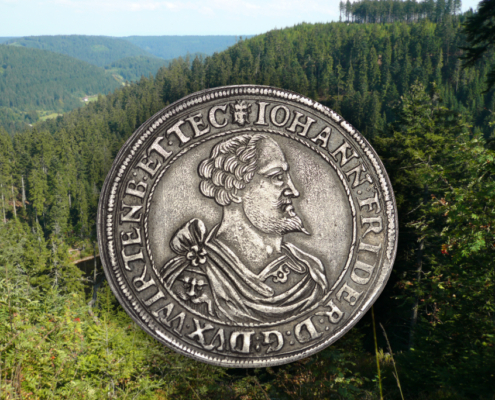 https://new.coinsweekly.com/wp-content/uploads/2024/09/2024KW36HA_00.jpg
684
860
Lucie Loechel
https://new.coinsweekly.com/wp-content/uploads/2023/01/logo-coinsweekly_590x204.png
Lucie Loechel2024-09-05 10:46:502024-09-05 13:34:39Silver for Württemberg
https://new.coinsweekly.com/wp-content/uploads/2024/09/2024KW36HA_00.jpg
684
860
Lucie Loechel
https://new.coinsweekly.com/wp-content/uploads/2023/01/logo-coinsweekly_590x204.png
Lucie Loechel2024-09-05 10:46:502024-09-05 13:34:39Silver for Württemberg
A Numismatist at the Head of the British Museum?
Following the resignation of the British Museum’s director and his deputy, the board of trustees has already filled one position on an interim basis. Surprisingly, the numismatist Sir Mark Jones has been proposed as interim director.
Now available: Our CoinsWeekly Special Issue for the World Money Fair 2025
We usually publish our printed CoinsWeekly Special for the World Money Fair in German, as it is tailored to all the German visitors. This year, however, we decided to also offer an English version of the issue as a download for our international readers. We hope you enjoy reading it!