






Archive: People and Markets

Call for Papers: AIA Annual Meeting 2025
The Numismatics Interest Group of the Archaeological Institute of America invites abstracts on ancient coins and archaeology for the AIA Annual meeting 2025. They can be submitted until 28th February 2024.
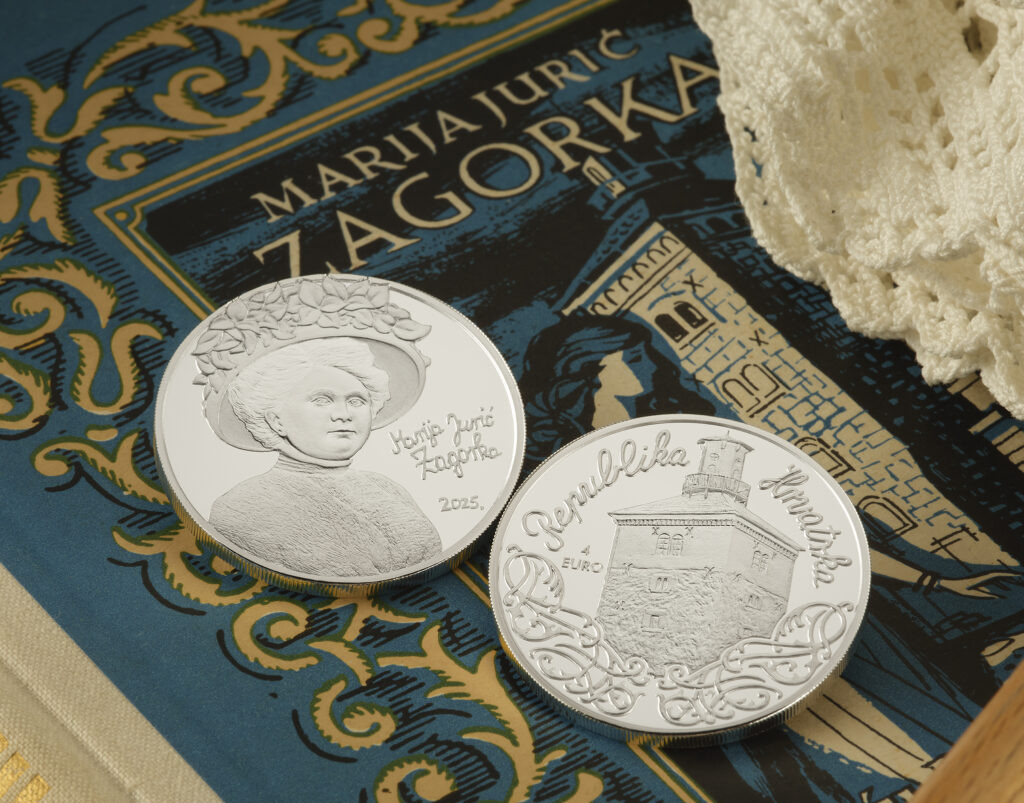
Marija Jurić Zagorka: A Feminist Icon from Croatia
The Croatian National Bank, in cooperation with the Croatian Mint, continues its series on Croatian literature. The second issue is dedicated to Marija Jurić Zagorka. She is celebrated in Croatia as an icon of feminism.
Archive: Coins, Medals and more
 https://new.coinsweekly.com/wp-content/uploads/2025/01/2025KW03HA_00.jpg
684
860
Sebastian Wieschowski
https://new.coinsweekly.com/wp-content/uploads/2023/01/logo-coinsweekly_590x204.png
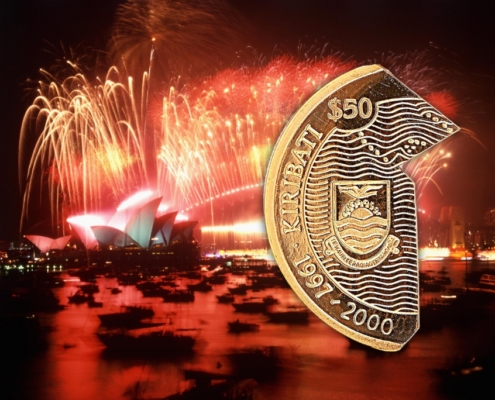
Sebastian Wieschowski2025-01-16 07:00:032025-01-16 16:55:4925 Years Ago: Millennium Coins and the Dawn of a New Era
https://new.coinsweekly.com/wp-content/uploads/2025/01/2025KW03HA_00.jpg
684
860
Sebastian Wieschowski
https://new.coinsweekly.com/wp-content/uploads/2023/01/logo-coinsweekly_590x204.png
Sebastian Wieschowski2025-01-16 07:00:032025-01-16 16:55:4925 Years Ago: Millennium Coins and the Dawn of a New Era https://new.coinsweekly.com/wp-content/uploads/2025/03/0.jpg
684
860
Sebastian Wieschowski
https://new.coinsweekly.com/wp-content/uploads/2023/01/logo-coinsweekly_590x204.png
Sebastian Wieschowski2025-03-06 06:00:312025-03-06 14:32:55Women on Commemorative Coins: A Long Road to True Equality
https://new.coinsweekly.com/wp-content/uploads/2025/03/0.jpg
684
860
Sebastian Wieschowski
https://new.coinsweekly.com/wp-content/uploads/2023/01/logo-coinsweekly_590x204.png
Sebastian Wieschowski2025-03-06 06:00:312025-03-06 14:32:55Women on Commemorative Coins: A Long Road to True Equality
2-Euro Ticker: New 2-Euro Coins in April 2025
There were no official issue dates for 2-euro coins in April, but one topic is currently occupying 2-euro coin collectors in particular: the new issuance policy of Finland.
Peter K. Tompa Appointed as New IAPN Executive Director
The International Association of Professional Numismatists (IAPN) has a new Executive Director: Peter K. Tompa succeeds Jean-Luc Van der Schueren.