






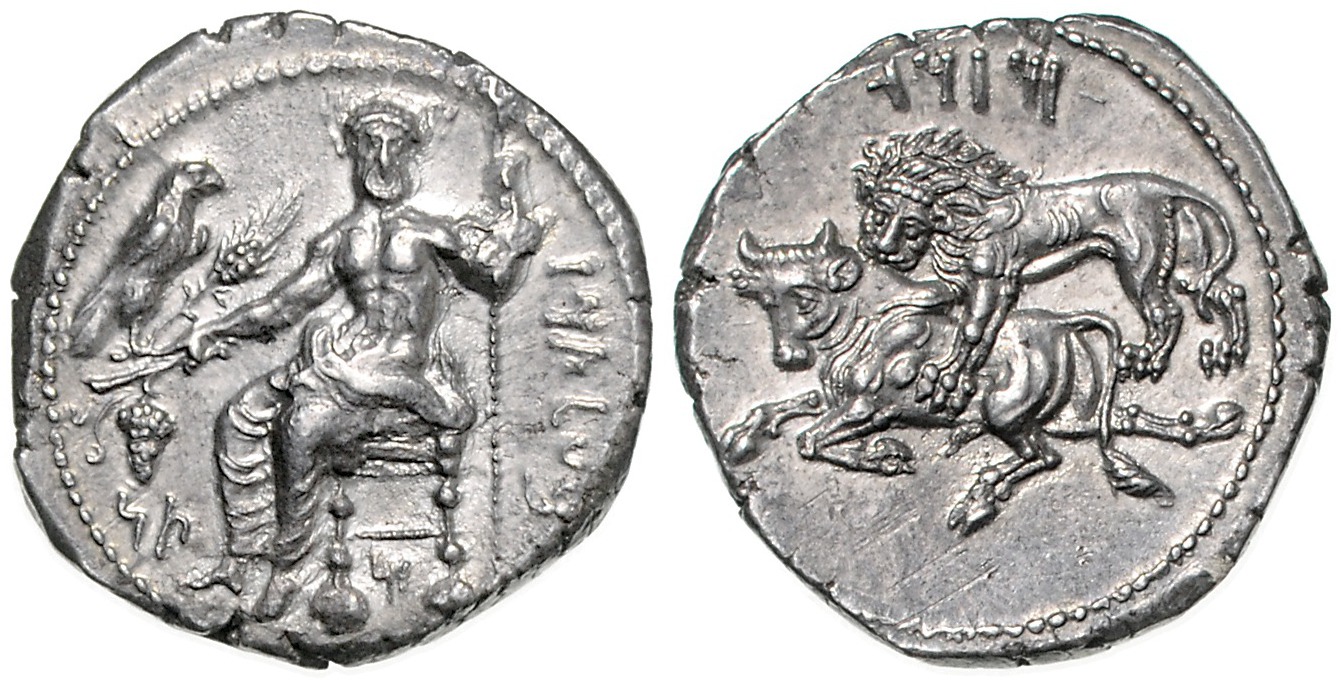
Persian satrap Mazzaios.
AR Stater (361-334 BC)
with Baal of Tarsus.
Condition: ef.
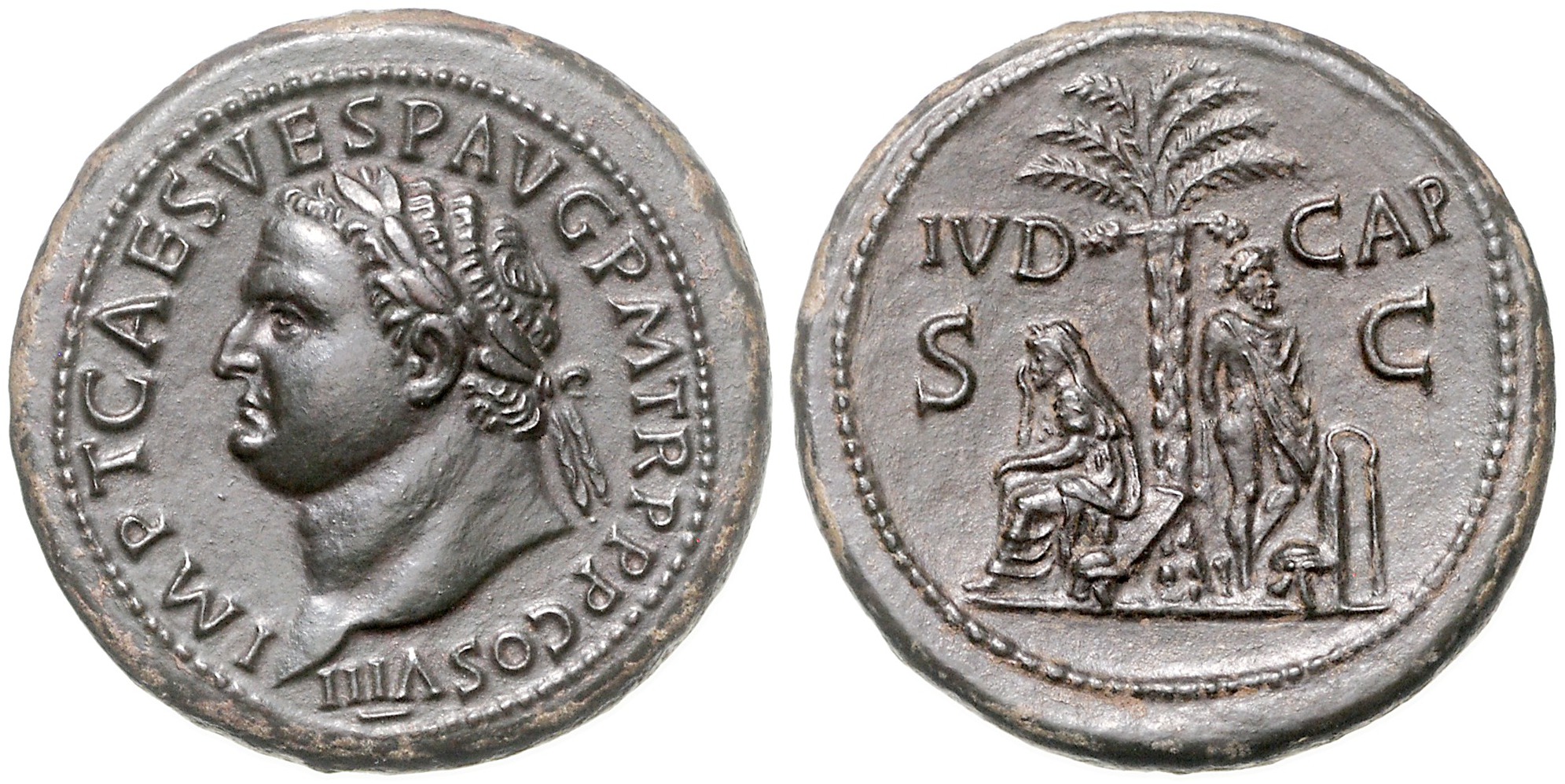
AE Sestertius (AD 80–81), Rome.
"Judaea Capta" type.
Condition: rare, ef.
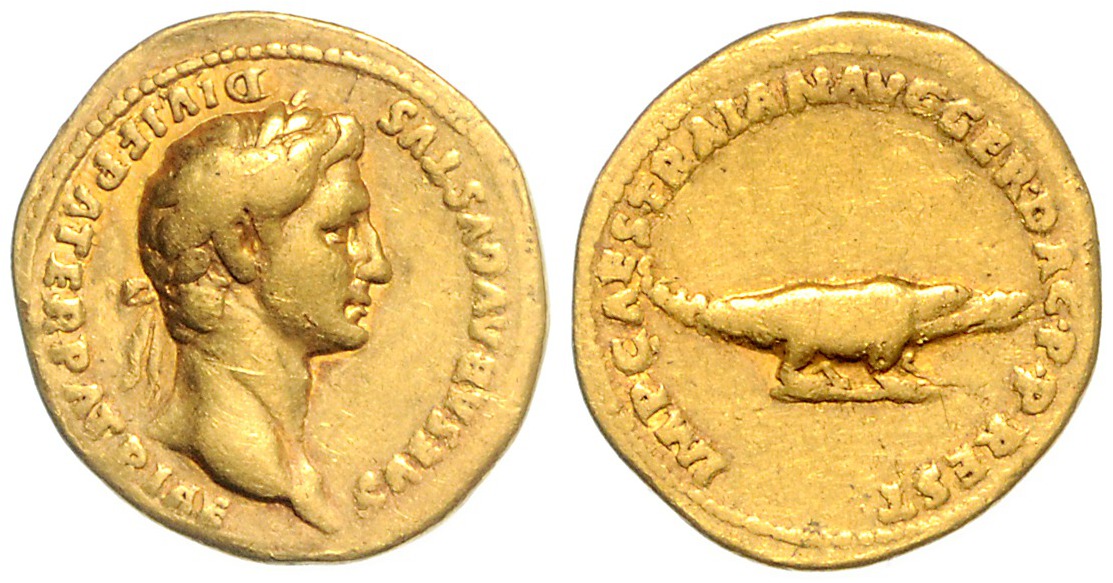
AV Aureus (AD 107–113), Rome.
Restitution issue honoring Augustus.
Condition: extremely rare, near vf.
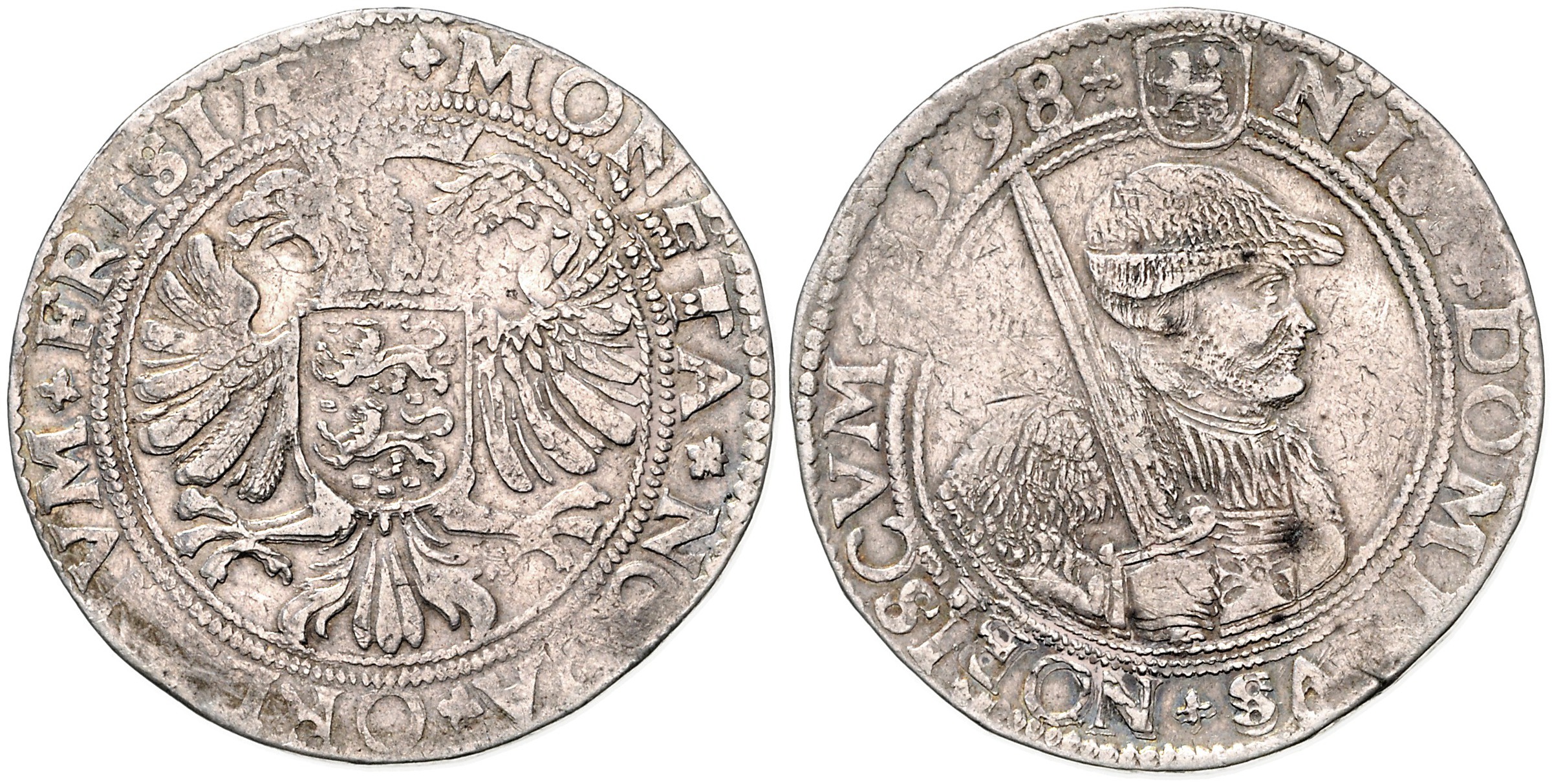
Arendsrijksdaalder (Eagle Rixdollar), 1598.
Condition: very rare, vf.
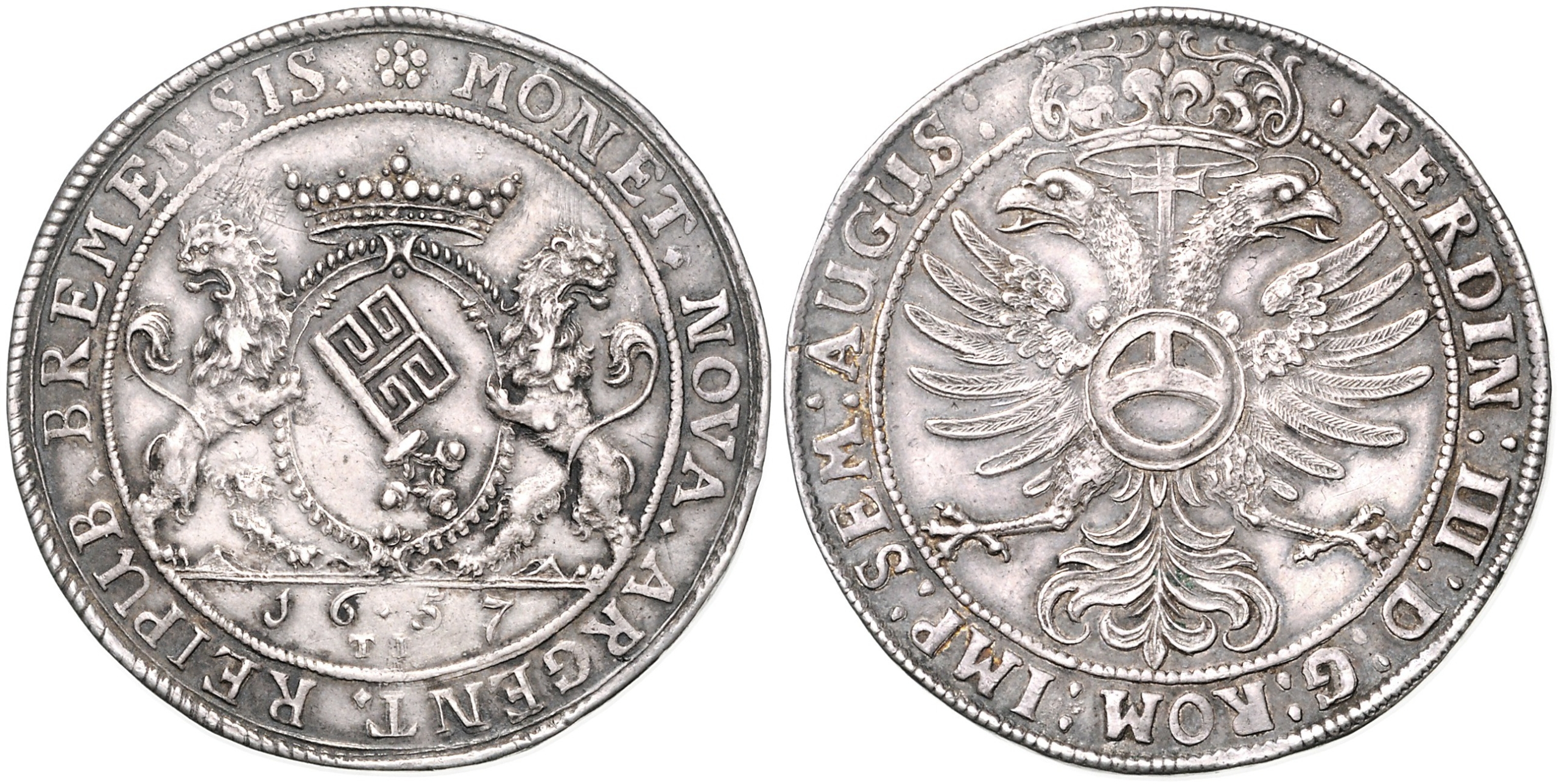
Thaler, 1657.
Bearing the title of Ferdinand III.
Condition: near ef/ef.
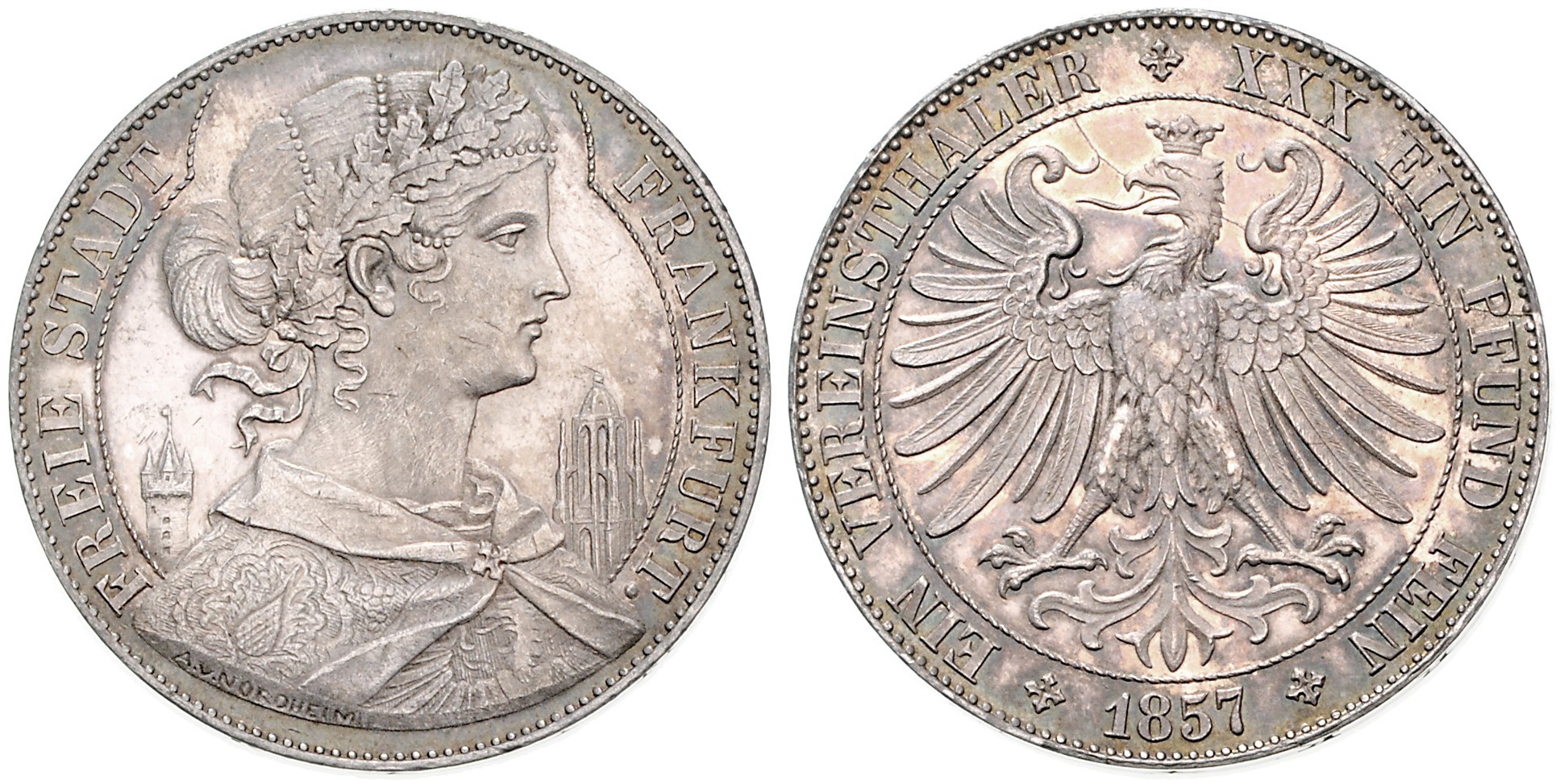
Vereinstaler 1857.
Condition: attr. piece, first strike.
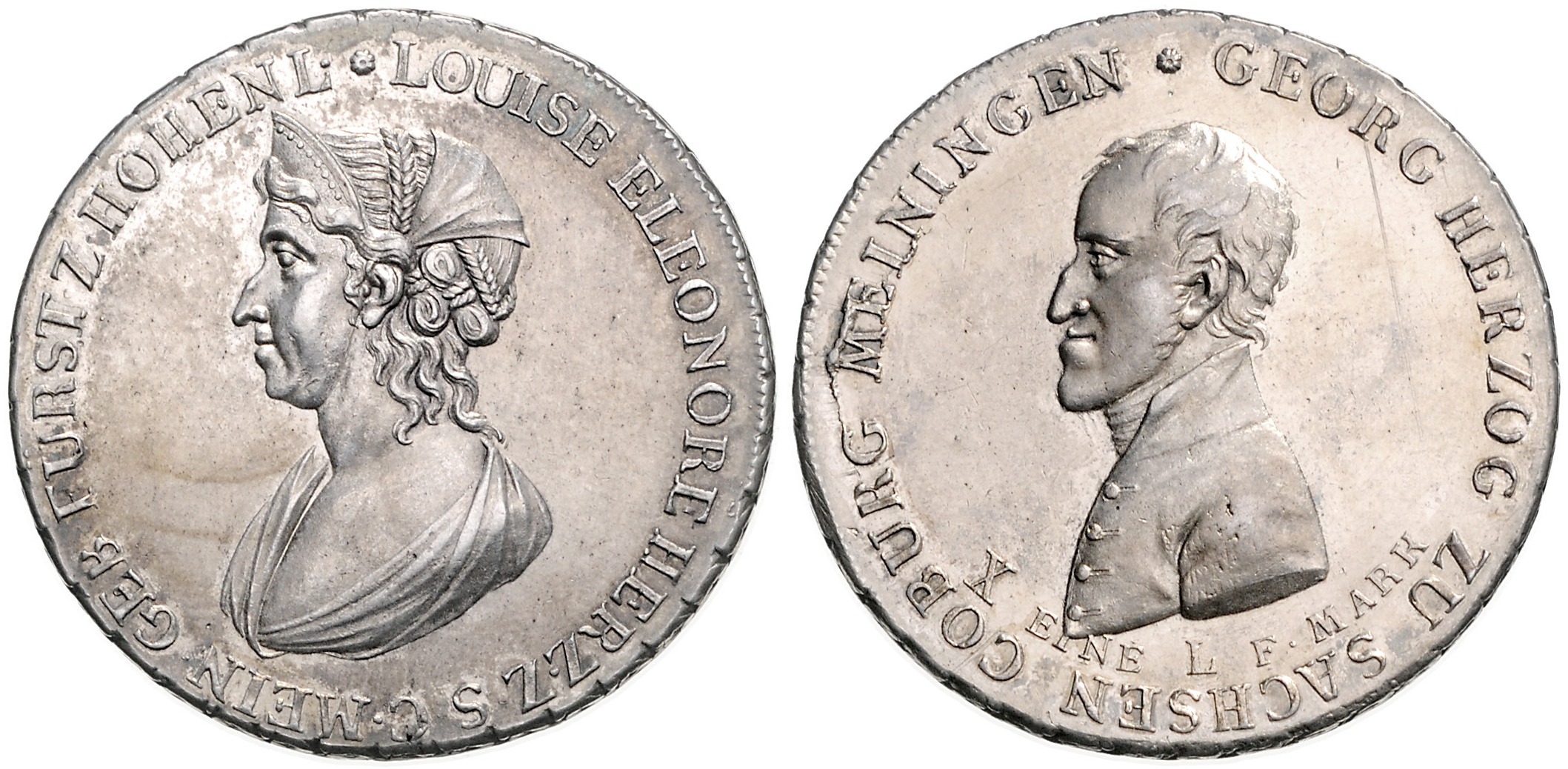
Convention thaler, n.d. (after 1803),
issued on the death of Duke Georg.
Condition: extremely rare, unc.
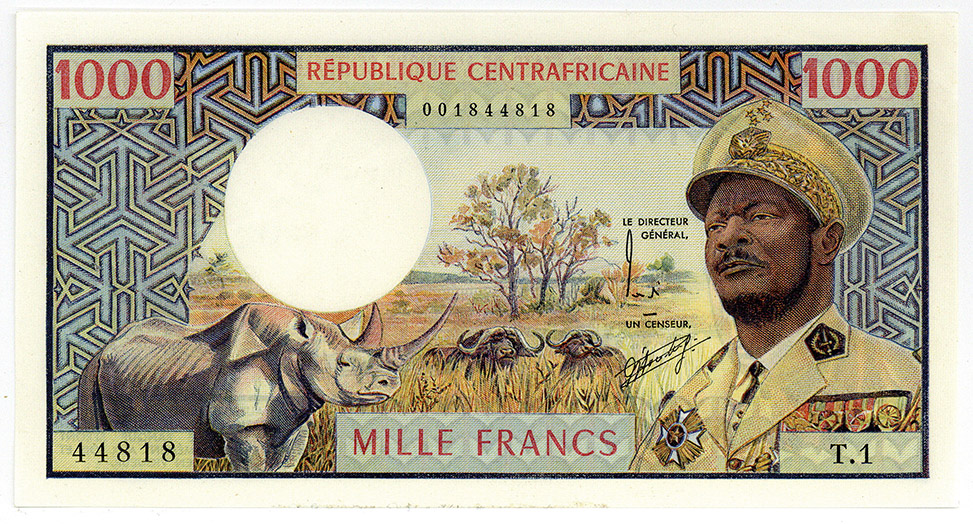
Banque des États de l'Afrique Centrale,
1000 francs 1974.
Condition: I-.
Archive: People and Markets
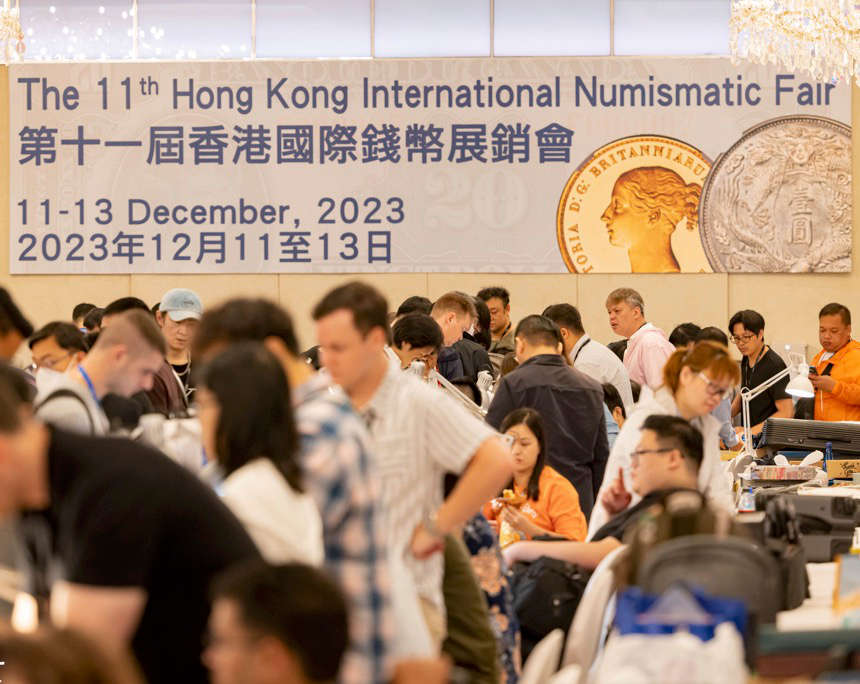
Successful December 2023 HKINF
The organizers of the 11th Hong Kong International Numismatic Fair (HKINF) are grateful for the positive feedback they received for the event. The date of the next HKINF has now been announced. Tables are still available.
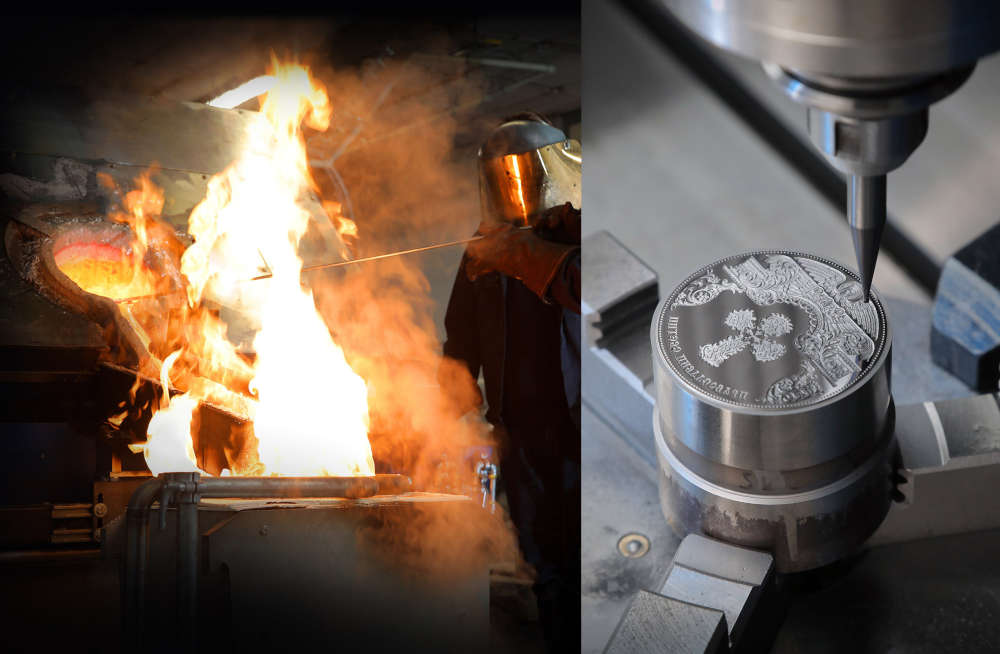
Bulmint
In March 2023, Ursula Kampmann visited Bulmint’s production facilities. ALL steps that are necessary for the manufacture of gold and silver coins are carried out there. By looking at the various departments, we can learn about every step in the production of a coin.
Archive: Coins, Medals and more
 https://new.coinsweekly.com/wp-content/uploads/2023/10/2023KW42HA_00.jpg
684
860
Ursula Kampmann
https://new.coinsweekly.com/wp-content/uploads/2023/01/logo-coinsweekly_590x204.png
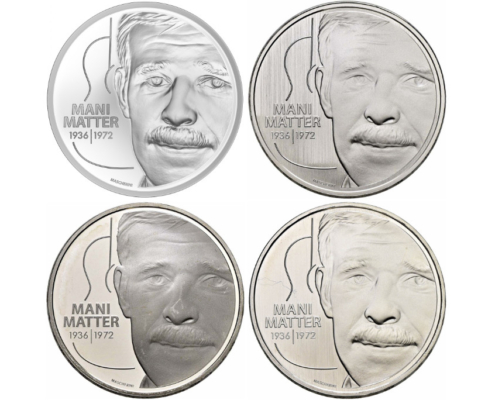
Ursula Kampmann2023-10-19 08:00:012023-10-19 11:43:14SINCONA Offers Spectacular Swissmint Patterns
 https://new.coinsweekly.com/wp-content/uploads/2024/04/2024KW16HA_00.jpg
684
860
Ursula Kampmann
https://new.coinsweekly.com/wp-content/uploads/2023/01/logo-coinsweekly_590x204.png
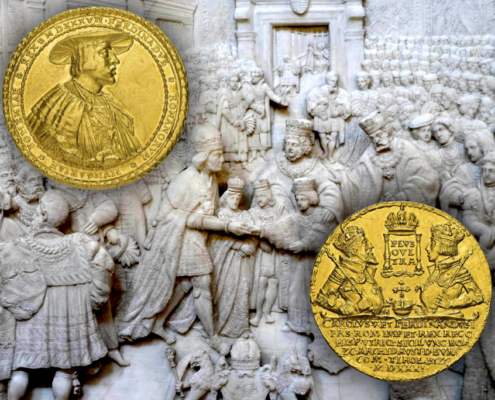
Ursula Kampmann2024-04-18 10:26:522024-04-18 10:26:52The Turks, the Bohemian Estates and Two Gnadenpfennigs by Ferdinand I

Coins of the Islamic Lands From the Nasser D. Khalili Collection
The Khalili Collection of Islamic Art is one of the most comprehensive of its kind, and its Islamic coinage is among the finest in private hands. A catalog featuring highlights from the early period of Islamic Coinage has now been published, including many rare and unpublished specimens.
How the Romans Made Counterfeits
Counterfeits have been around in ancient Roman times, too – usually, they were cast from a copper-tin alloy. Researchers at the University of Tübingen examined the counterfeiting process and reconstructed it experimentally. A video documents their experiment.