







Archive: People and Markets
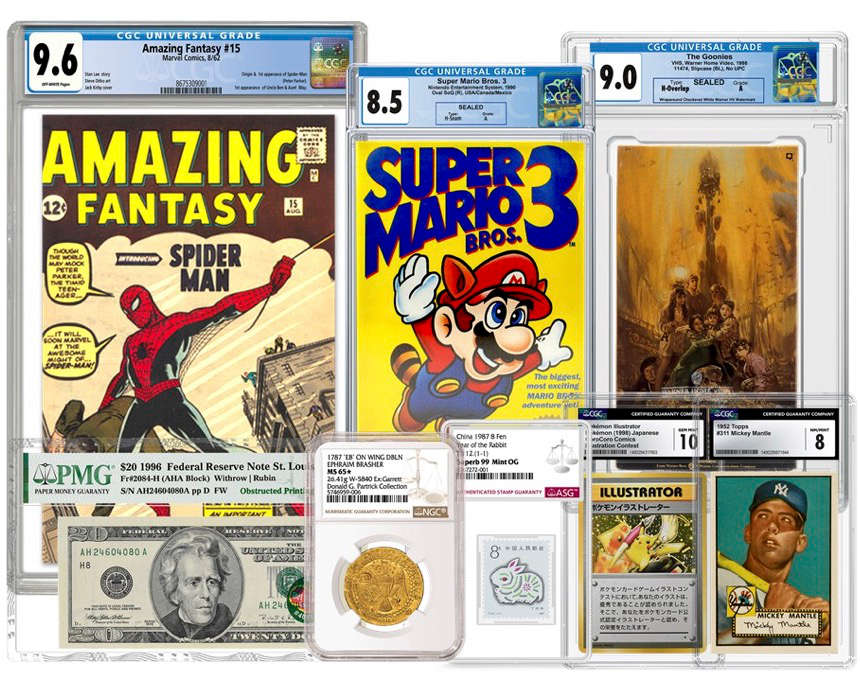
New CCG Office will open in Dubai 2024
The Certified Collectibles Group will open an office in Dubai in 2024. The new office will make it easier for collectors and dealers in the region to submit to NGC, PMG and CGC.
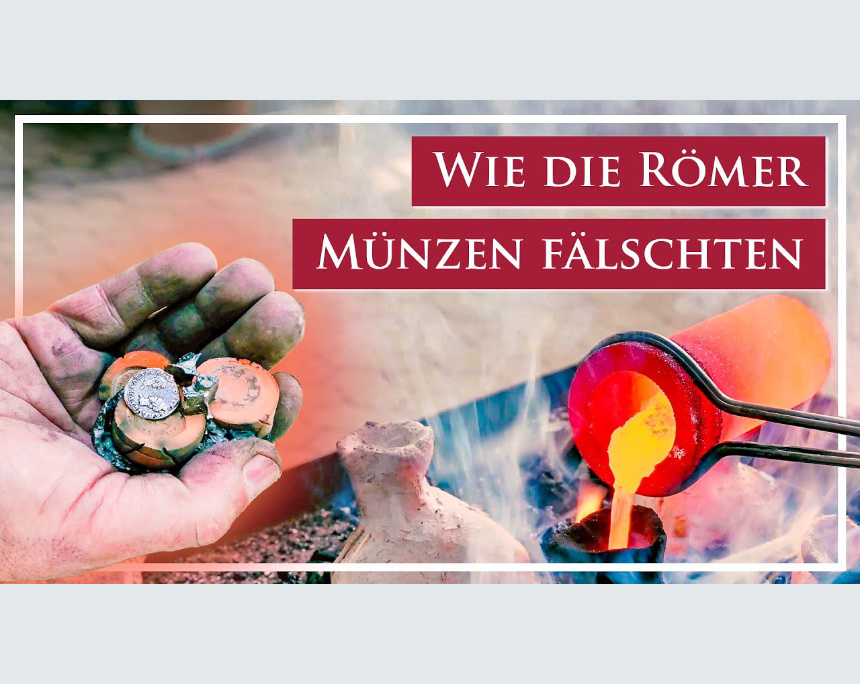
How the Romans Made Counterfeits
Counterfeits have been around in ancient Roman times, too – usually, they were cast from a copper-tin alloy. Researchers at the University of Tübingen examined the counterfeiting process and reconstructed it experimentally. A video documents their experiment.
Archive: Coins, Medals and more
 https://new.coinsweekly.com/wp-content/uploads/2024/03/2024KW12bHA_00.jpg
684
860
Ursula Kampmann
https://new.coinsweekly.com/wp-content/uploads/2023/01/logo-coinsweekly_590x204.png
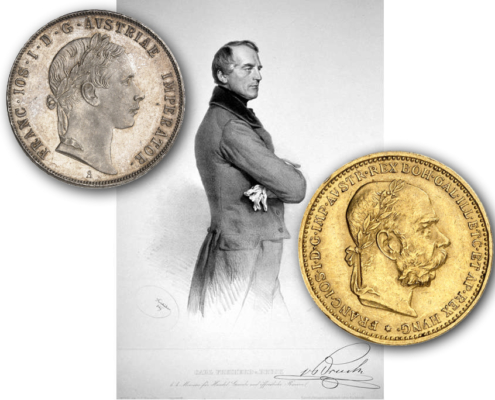
Ursula Kampmann2024-03-21 08:00:102024-03-21 08:09:54A War Fought with Unusual Weapons: How Prussia Used Finance and Politics to Force the Habsburg Hereditary Lands Out of the German Confederation
https://new.coinsweekly.com/wp-content/uploads/2024/03/2024KW12bHA_00.jpg
684
860
Ursula Kampmann
https://new.coinsweekly.com/wp-content/uploads/2023/01/logo-coinsweekly_590x204.png
Ursula Kampmann2024-03-21 08:00:102024-03-21 08:09:54A War Fought with Unusual Weapons: How Prussia Used Finance and Politics to Force the Habsburg Hereditary Lands Out of the German Confederation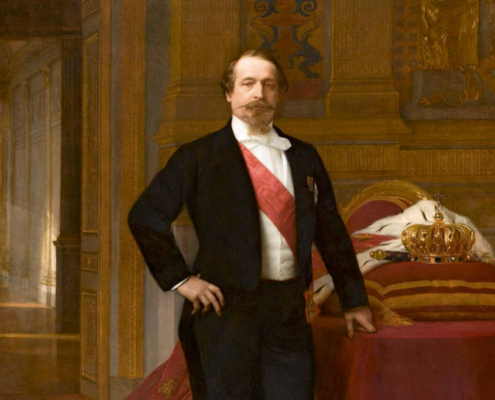 https://new.coinsweekly.com/wp-content/uploads/2023/09/2023KW36HA_00.jpg
684
860
Ursula Kampmann
https://new.coinsweekly.com/wp-content/uploads/2023/01/logo-coinsweekly_590x204.png
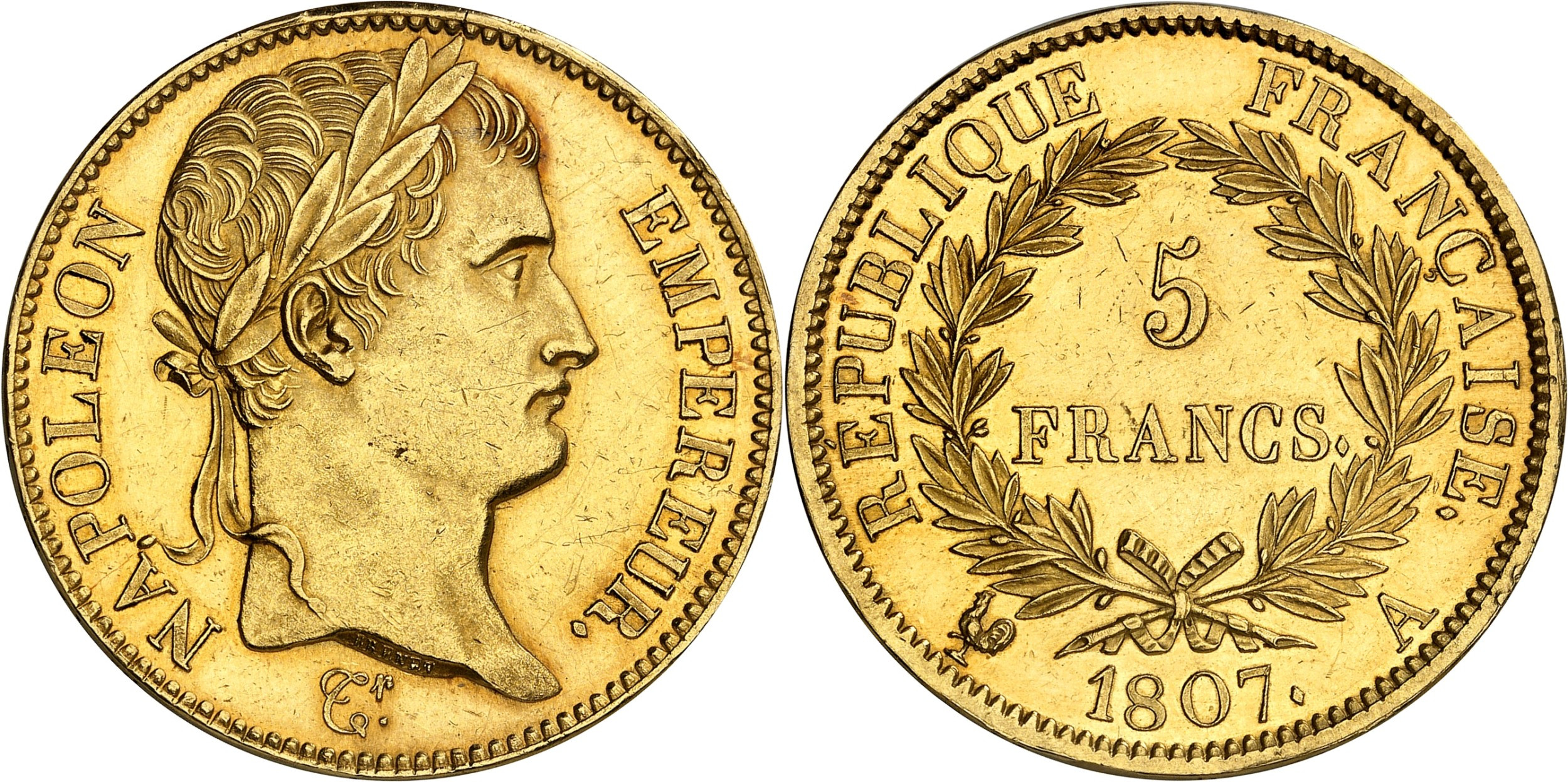
Ursula Kampmann2023-09-06 14:30:102023-09-06 14:30:10French History in Coins – Part 3: A New Napoleon
https://new.coinsweekly.com/wp-content/uploads/2023/09/2023KW36HA_00.jpg
684
860
Ursula Kampmann
https://new.coinsweekly.com/wp-content/uploads/2023/01/logo-coinsweekly_590x204.png
Ursula Kampmann2023-09-06 14:30:102023-09-06 14:30:10French History in Coins – Part 3: A New Napoleon
Will the Online Platform “Discord” Become the Coin Club of the Future?
Young collectors are embracing technology from the world of computer games to pursue their hobby. Thousands of coin enthusiasts discuss, trade and compete on gaming servers – and from time to time they meet in European capitals to hunt for rarities.
New Corporate Design for the World Money Fair
Updates from the World Money Fair: The world’s largest coin fair has had a new managing director for some time now. Now the corporate design has also been revised.