







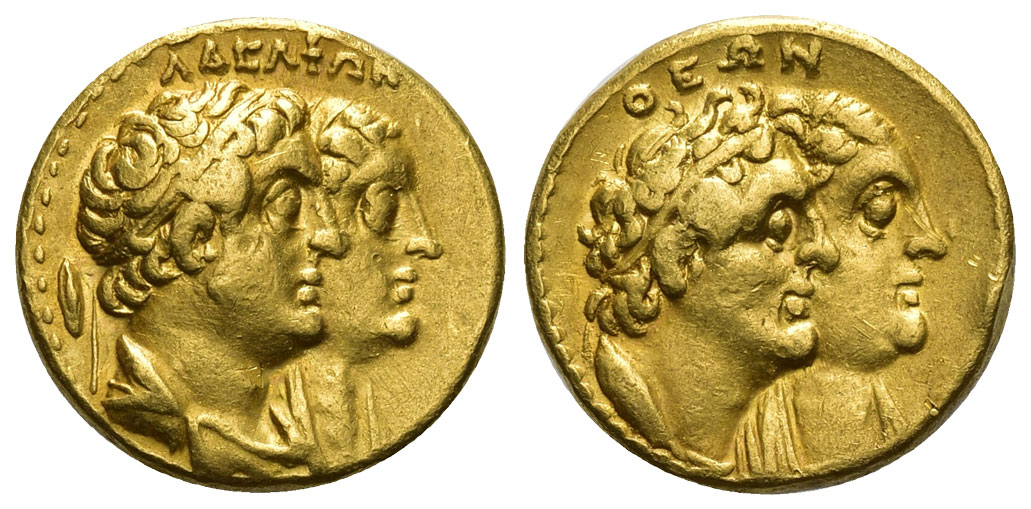
AV Tetradrachm (282–272 BC),
King Ptolemy II and Queen Arsinoe II.
From the major collection of Alexandria mint.
Condition: vf+
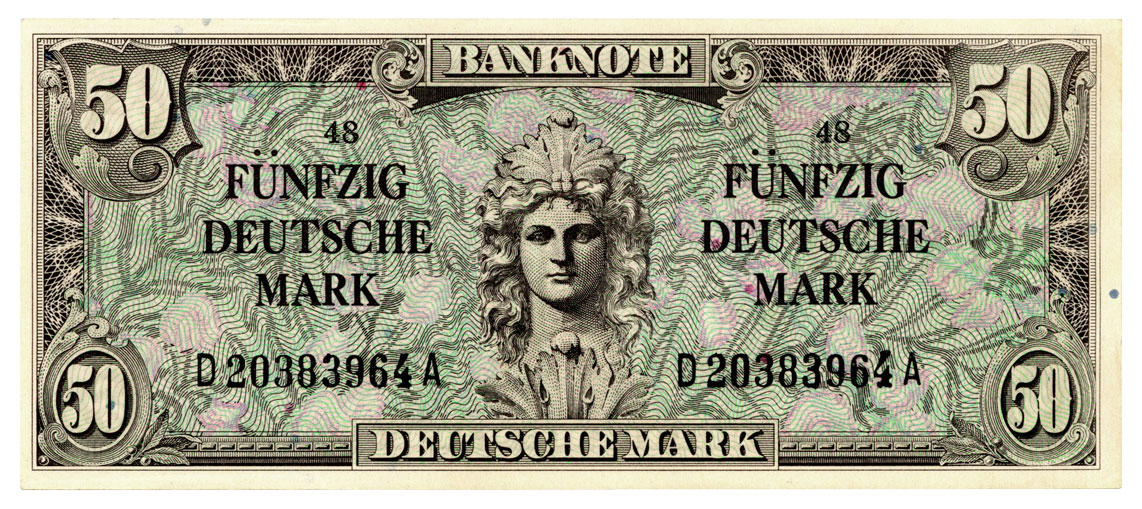
50 Deutsche Mark o.D. ( 1948-1949) "Liberty".
Condition: extremly rare, I
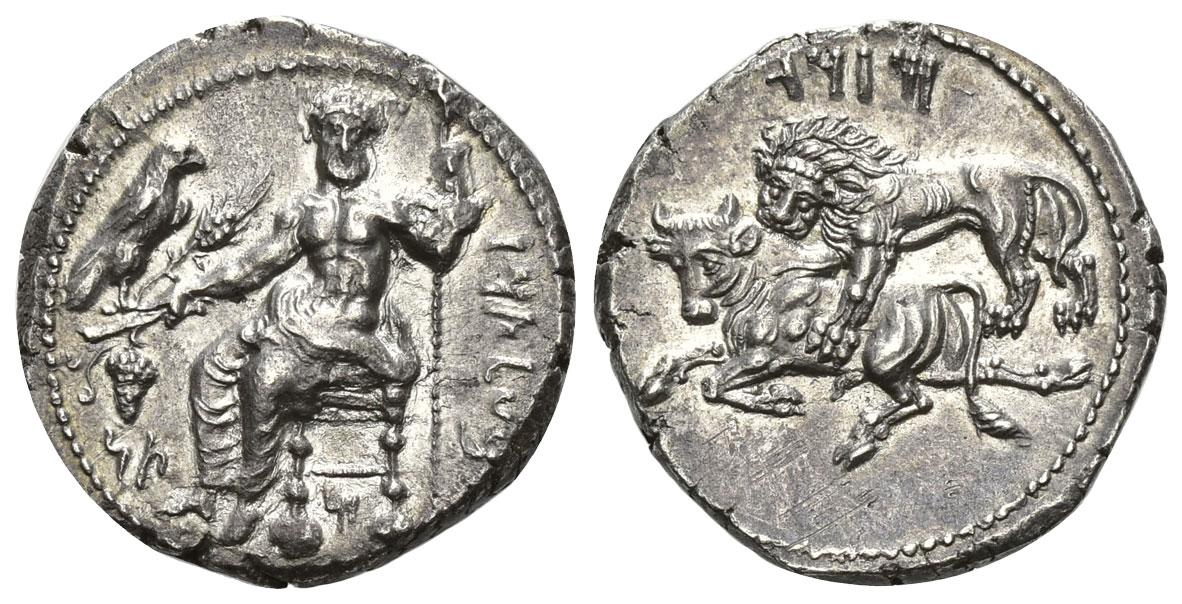
AR Stater (361-334 BC).
Obv. Baal of Tarsos.
Conditon: ef
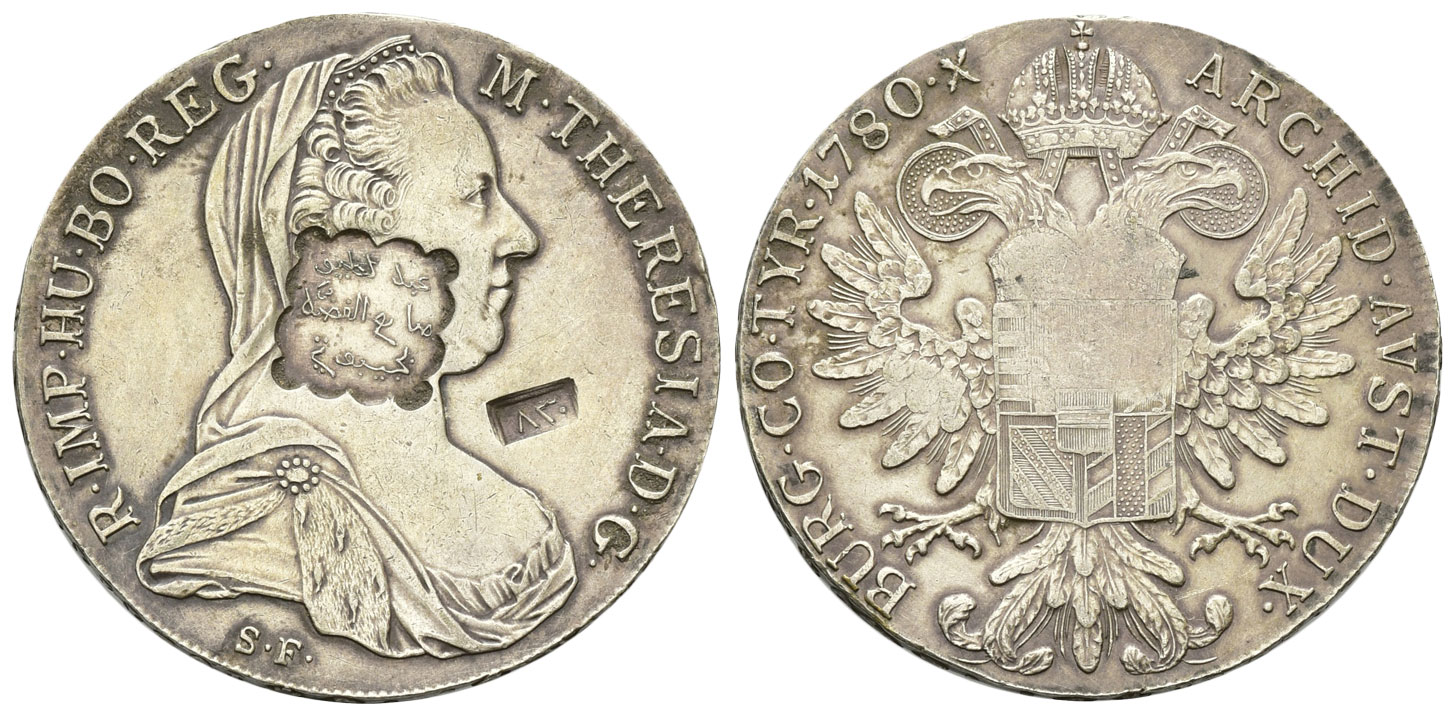
Taler 1780 SF
with counter stamp Djibouti (1870-1900).
Condition: vf
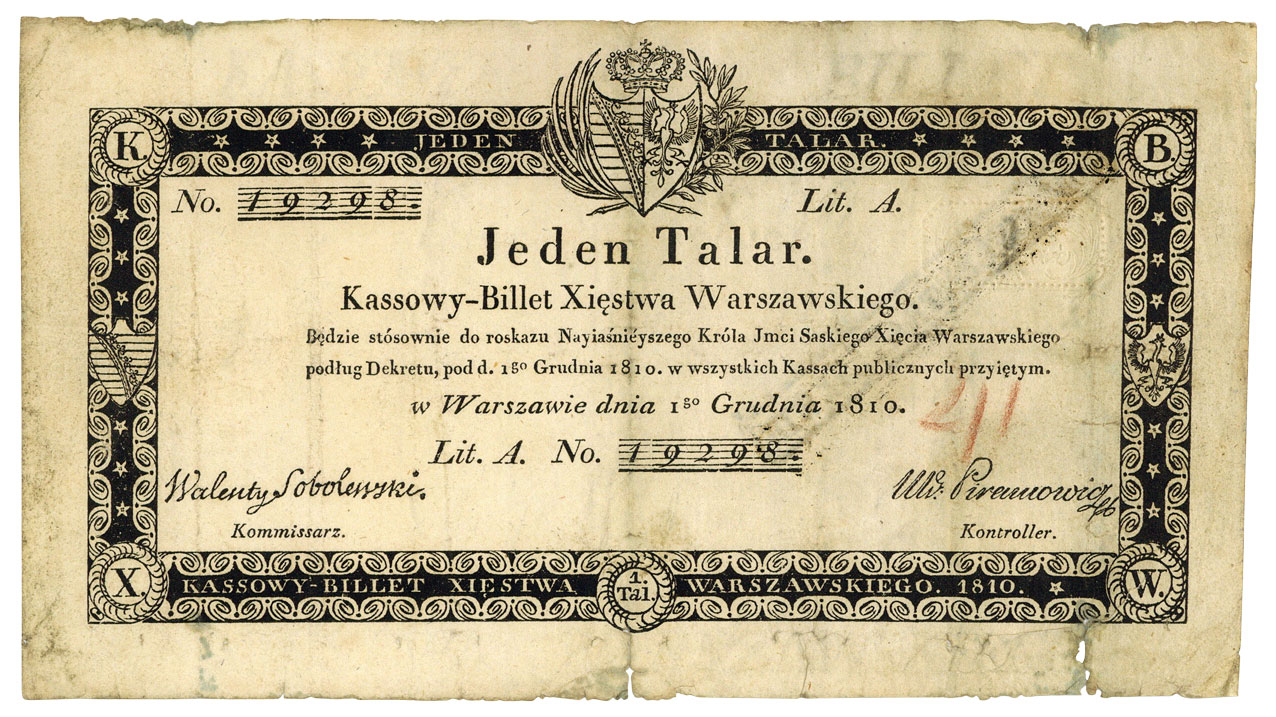
1 Talar 1. December 1810.
Condition: III-IV
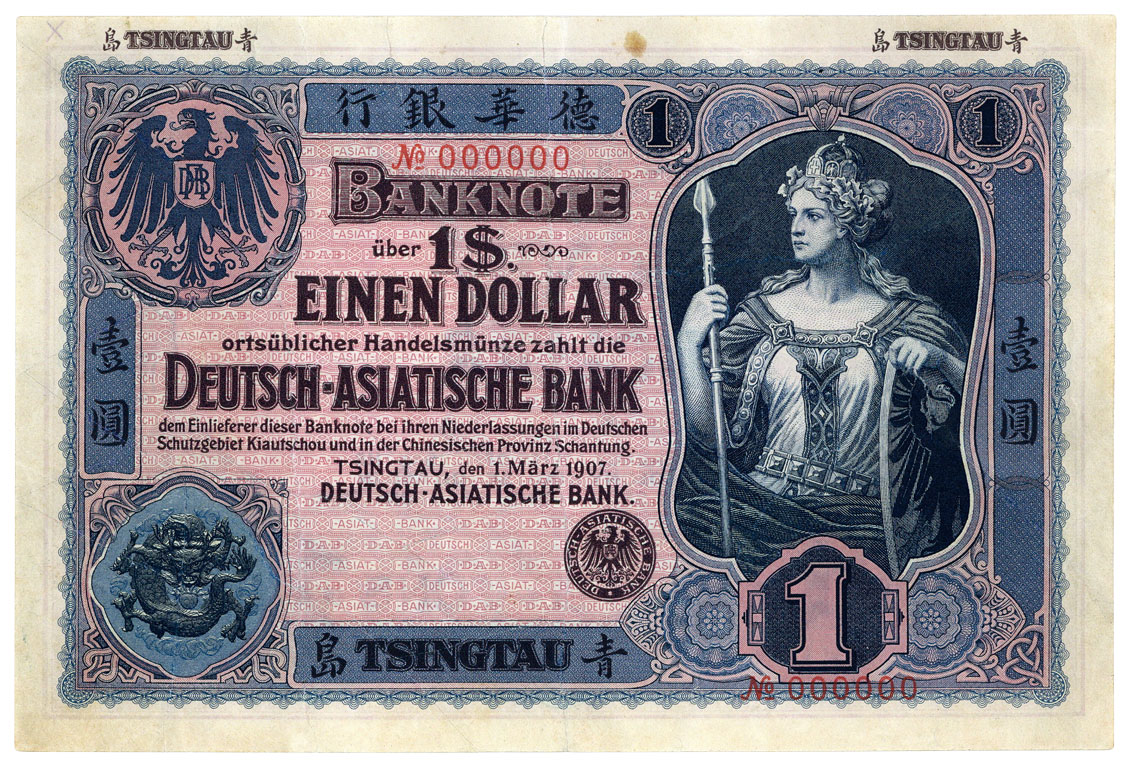
1 Dollar 1.3.1907, Tsingtao.
Condition: very rare, restored
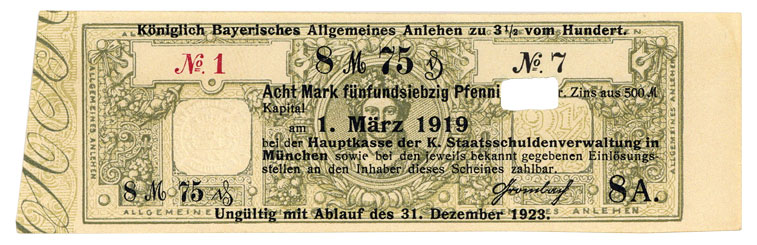
Royal Bavarian General Loan.
8.75 Marks, March 1, 1919.
Condition: rare, I
Archive: People and Markets

CCG’s Mark Salzberg Announces Retirement
After nearly 40 years in the world of collectibles, Mark Salzberg has announced his retirement. His decisions as leader of Certified Collectibles Group have had much impact on numismatics.
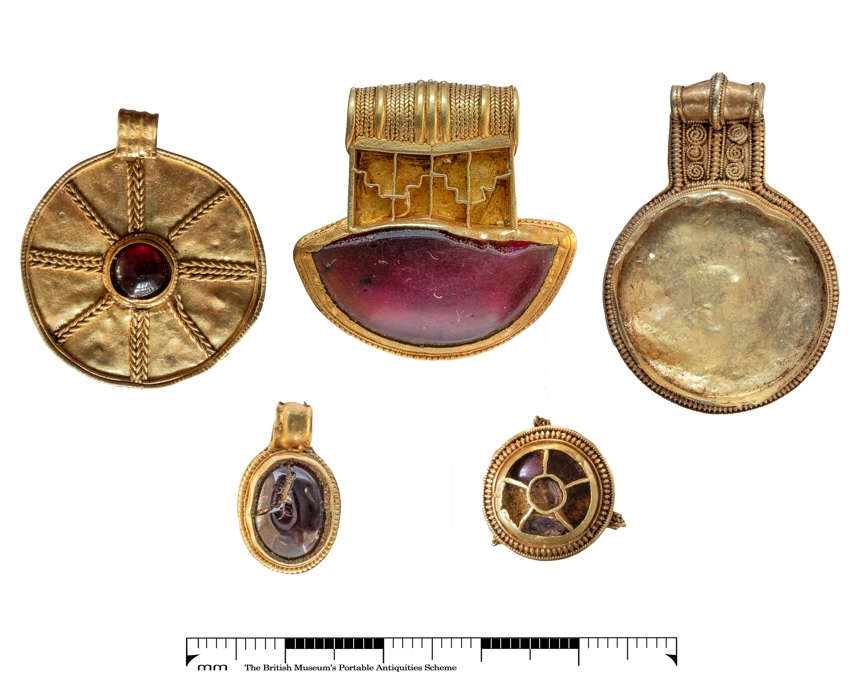
2023 Was a Record Year for Archaeological Finds in the UK
The British Museum has launched the latest Portable Antiquities Scheme (PAS) Annual Report, showing a record high of 74,506 finds recorded by the public in 2023. See some of the highlights here.
Archive: Coins, Medals and more
 https://new.coinsweekly.com/wp-content/uploads/2024/08/2024KW35HA_00.jpg
684
860
Sebastian Wieschowski
https://new.coinsweekly.com/wp-content/uploads/2023/01/logo-coinsweekly_590x204.png
Sebastian Wieschowski2024-08-29 08:00:232024-08-29 09:45:04Marks and Pfennigs in Your Inheritance: What Should Heirs Do with Old DM Coins?
https://new.coinsweekly.com/wp-content/uploads/2024/08/2024KW35HA_00.jpg
684
860
Sebastian Wieschowski
https://new.coinsweekly.com/wp-content/uploads/2023/01/logo-coinsweekly_590x204.png
Sebastian Wieschowski2024-08-29 08:00:232024-08-29 09:45:04Marks and Pfennigs in Your Inheritance: What Should Heirs Do with Old DM Coins? https://new.coinsweekly.com/wp-content/uploads/2025/06/00-5.jpg
684
860
Lucie Loechel
https://new.coinsweekly.com/wp-content/uploads/2023/01/logo-coinsweekly_590x204.png
Lucie Loechel2025-06-05 08:00:262025-06-05 08:29:19Farewell to the Penny: (No) Impact on Numismatics?
https://new.coinsweekly.com/wp-content/uploads/2025/06/00-5.jpg
684
860
Lucie Loechel
https://new.coinsweekly.com/wp-content/uploads/2023/01/logo-coinsweekly_590x204.png
Lucie Loechel2025-06-05 08:00:262025-06-05 08:29:19Farewell to the Penny: (No) Impact on Numismatics?
Employees of Monnaie de Paris Launch Petition to Protect Their Site
“Hands off Monnaie de Paris” – with this clear message, Rodolphe Krempp, Deputy Sales Director at Monnaie de Paris, reached out to his contacts on the business network LinkedIn over the weekend.
The Economy Museum St. Louis Fed
Learn about the economy and currency in a fun and interactive way. Compete to make the most money in a simulated trading pit game. The Economy Museum at the St. Louis Fed offers over 100 games, exhibits, currency displays and videos. Read what expect you there.