







Archive: People and Markets
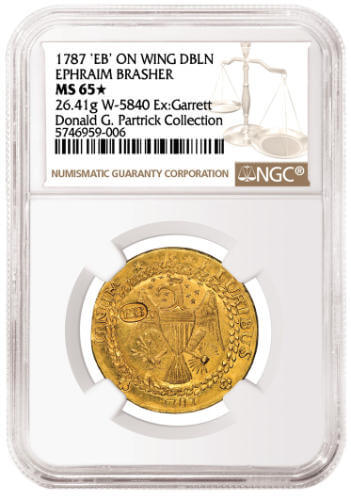
The Certified Collectibles Group: More than Coins and Comic Books
In 2021, the Certified Collectibles Group surprised the numismatic community by announcing that the Blackstone investment firm would become a majority shareholder. This raised the question of what this might mean for the coin market. Ursula Kampmann was in Sarasota to visit the new Certified Collectibles Group.
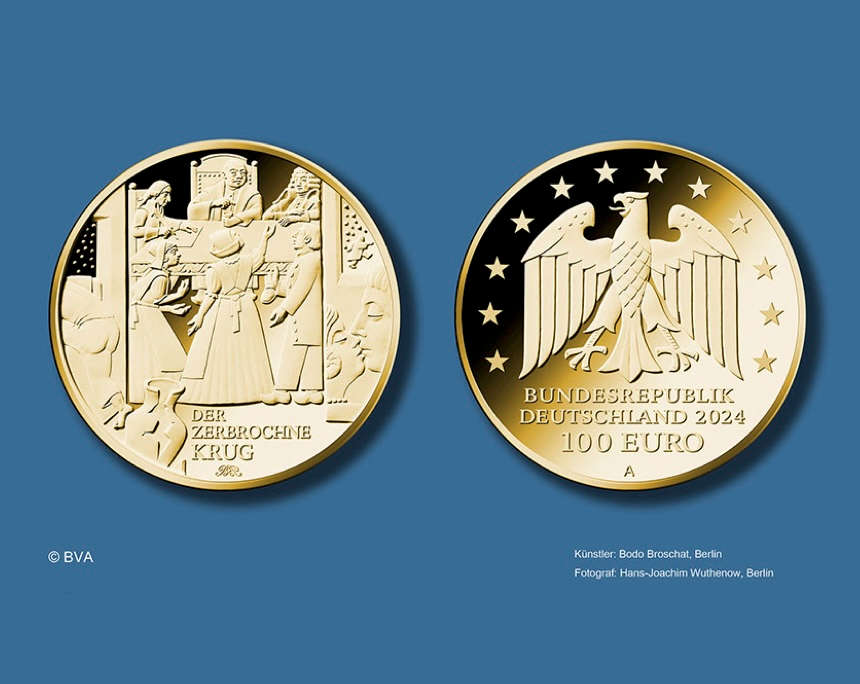
100-Euro Gold Coins: Loyal Customers of Münze Deutschland Make a Bargain
Buying gold below the market price? Under normal circumstances, that’s not possible – the only exception is placing an order with the German Mint before the gold price skyrockets. As in previous years, customers of the official sales office can look forward to a substantial return.
Archive: Coins, Medals and more
 https://new.coinsweekly.com/wp-content/uploads/2023/07/2023KW30HA_00.jpg
684
860
Ursula Kampmann
https://new.coinsweekly.com/wp-content/uploads/2023/01/logo-coinsweekly_590x204.png
Ursula Kampmann2023-07-27 09:11:342023-07-27 09:11:34French History in Coins – Part 1: Kings, Consuls and Emperors
https://new.coinsweekly.com/wp-content/uploads/2023/07/2023KW30HA_00.jpg
684
860
Ursula Kampmann
https://new.coinsweekly.com/wp-content/uploads/2023/01/logo-coinsweekly_590x204.png
Ursula Kampmann2023-07-27 09:11:342023-07-27 09:11:34French History in Coins – Part 1: Kings, Consuls and Emperors
2-Euro Ticker: New 2-Euro Coins in June 2024
Much has happened in the 2-euro coin world in the past four weeks: new motifs for 2024 were announced and four coins were issued – however, there were some problems.
Royal Dutch Mint and Osborne Coinage Join the Heimerle + Meule Group
It was only recently that we posted about the acquisition of Reischauer by the Heimerle + Meule Group – but the next big announcement follows right away: the company acquired all shares in the Royal United Mint, who is the parent company of well-known businesses like the Royal Dutch Mint and Osborne Coinage.