






Archive: People and Markets
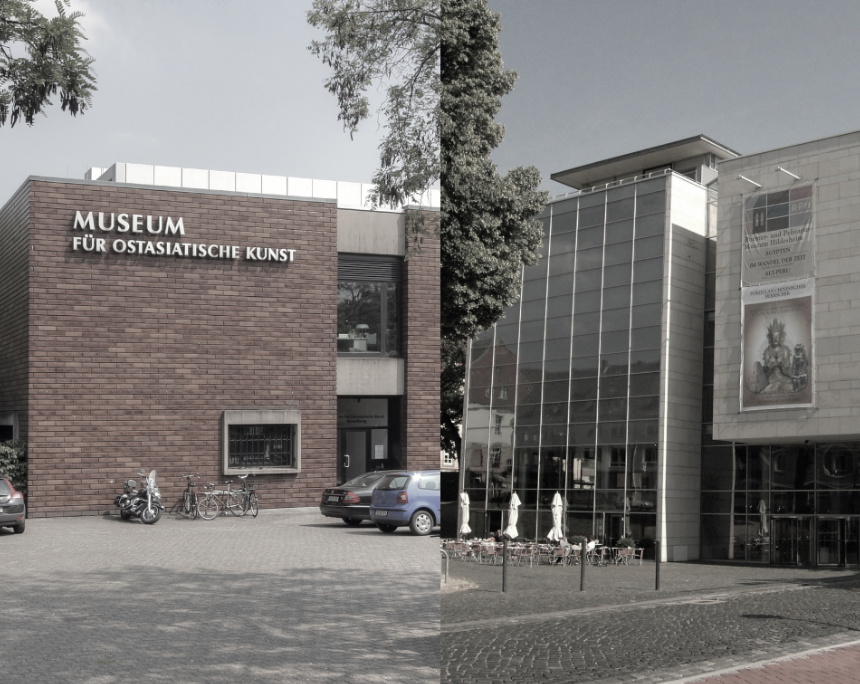
German Museums Continue to be Hit by Wave of Burglaries
With no end in sight, German museums are still regularly targeted by burglars. Often, the general public is unaware of the break-ins as the cases only make headlines in local newspapers. What can museums do to deal with these crimes? We present two cases from autumn 2023.
Interview: News From the World Money Fair
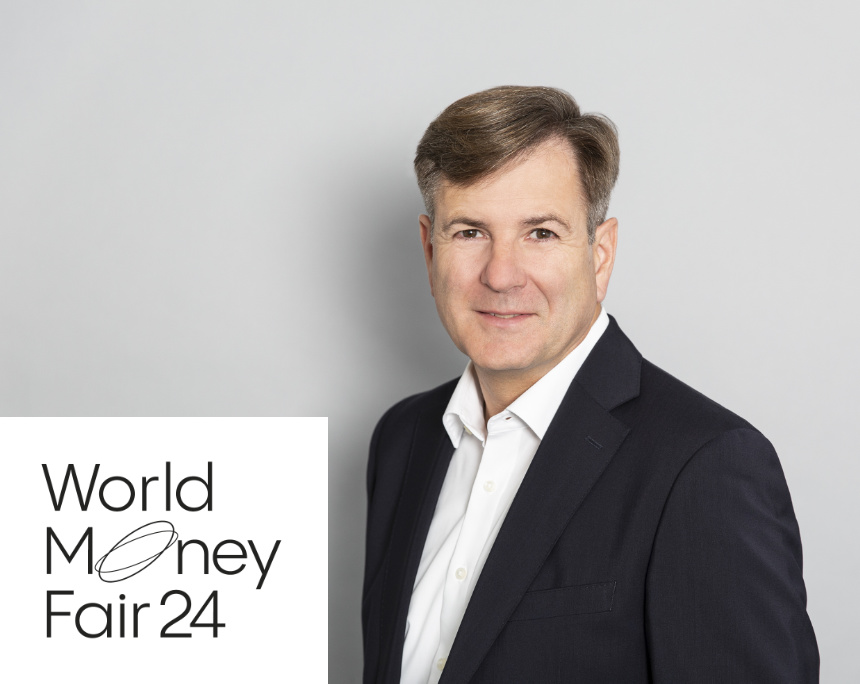
In 2024, a new generation takes over the leadership of the World Money Fair. Having hosted 17 successful events, Barbara Balz has handed over the reins to Goetz-Ulf Jungmichel. We talked to him to find out about the future course of the World Money Fair.
Archive: Coins, Medals and more
 https://new.coinsweekly.com/wp-content/uploads/2024/08/2024KW35HA_00.jpg
684
860
Sebastian Wieschowski
https://new.coinsweekly.com/wp-content/uploads/2023/01/logo-coinsweekly_590x204.png
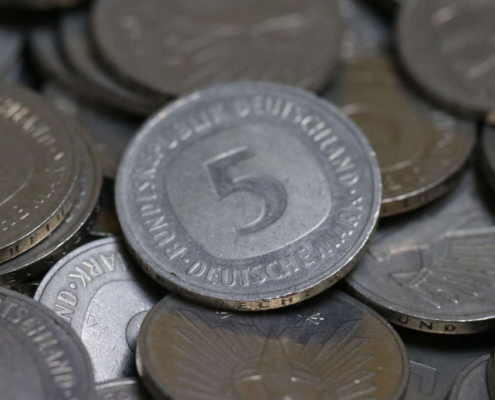
Sebastian Wieschowski2024-08-29 08:00:232024-08-29 09:45:04Marks and Pfennigs in Your Inheritance: What Should Heirs Do with Old DM Coins?
https://new.coinsweekly.com/wp-content/uploads/2024/08/2024KW35HA_00.jpg
684
860
Sebastian Wieschowski
https://new.coinsweekly.com/wp-content/uploads/2023/01/logo-coinsweekly_590x204.png
Sebastian Wieschowski2024-08-29 08:00:232024-08-29 09:45:04Marks and Pfennigs in Your Inheritance: What Should Heirs Do with Old DM Coins?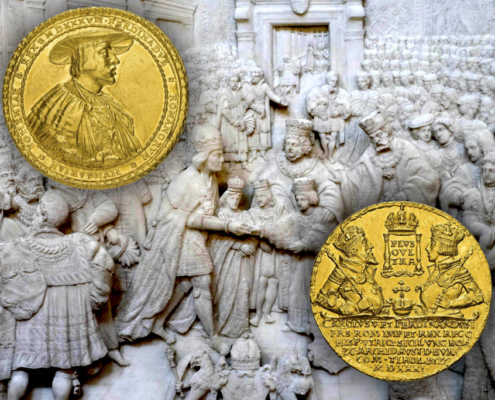 https://new.coinsweekly.com/wp-content/uploads/2024/04/2024KW16HA_00.jpg
684
860
Ursula Kampmann
https://new.coinsweekly.com/wp-content/uploads/2023/01/logo-coinsweekly_590x204.png
Ursula Kampmann2024-04-18 10:26:522024-04-18 10:26:52The Turks, the Bohemian Estates and Two Gnadenpfennigs by Ferdinand I
https://new.coinsweekly.com/wp-content/uploads/2024/04/2024KW16HA_00.jpg
684
860
Ursula Kampmann
https://new.coinsweekly.com/wp-content/uploads/2023/01/logo-coinsweekly_590x204.png
Ursula Kampmann2024-04-18 10:26:522024-04-18 10:26:52The Turks, the Bohemian Estates and Two Gnadenpfennigs by Ferdinand I
ACCG Requests Information About Closed Roundtable Regarding Extra-Legal MOU With Yemen
Following a closed roundtable, the US State Department signed an MOU criticized for being completed without input from the Cultural Property Advisory Committee or the opportunity for public comment. Die Ancient Coin Collectors Guild (ACCG) sees an effort to stifle debate and has submitted a Freedom of Information (FOIA) request to the State Department.
Two New Books on Ancient Numismatics in Poland
Book news from Poland: In the last months, two significant books on Roman numismatics were published with an English translation. Adam Degler and Kyrylo Myzgin tell us more about their works.