






Archive: People and Markets
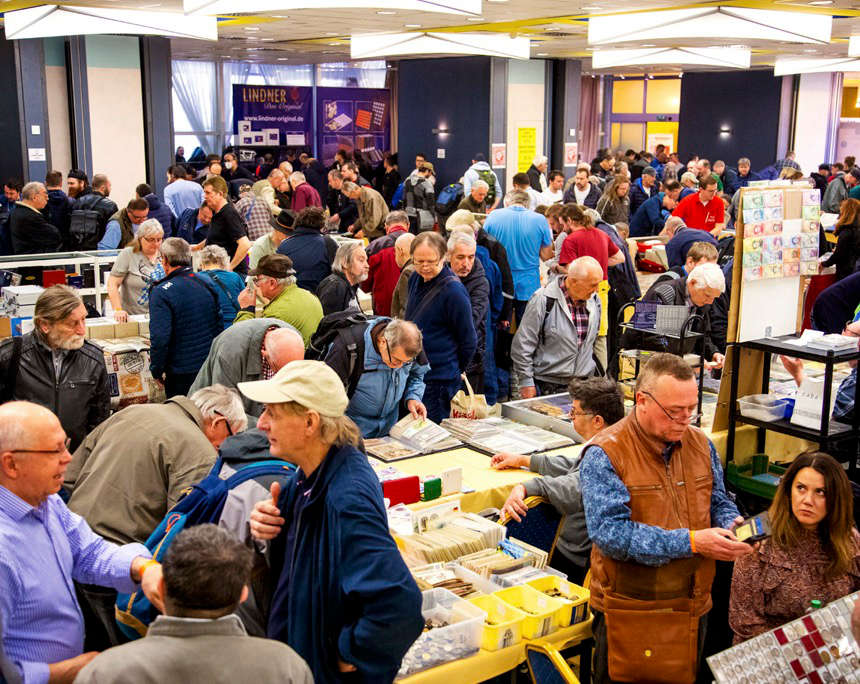
Spring Sberatel Fair 2024
The spring edition of the Sberatel collector fair will take place on March 22 and 23 – the perfect opportunity to combine your hobby with a trip to beautiful Prague!
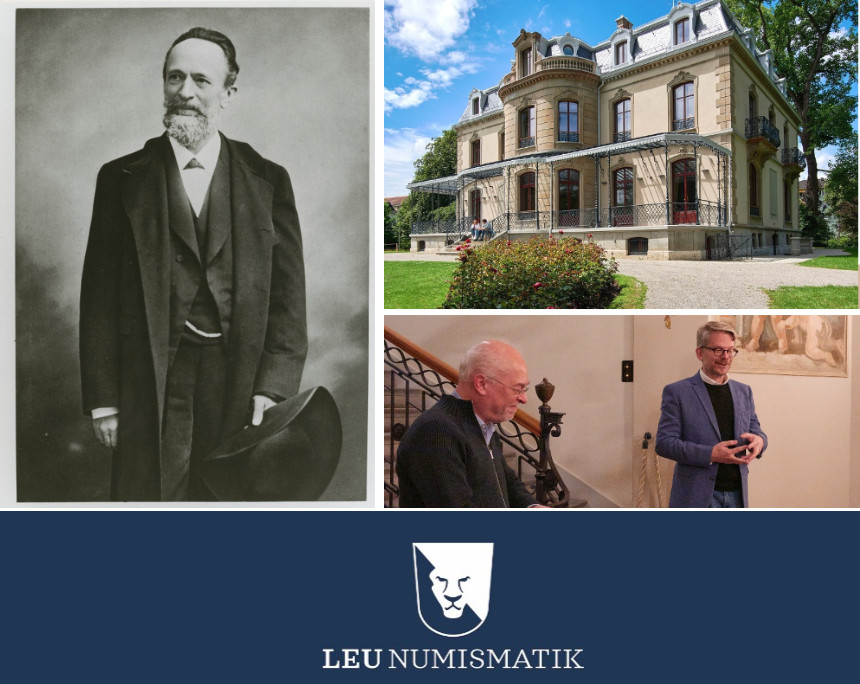
Leu Numismatik Sponsors the New Friedrich Imhoof-Blumer Fellowship in Winterthur
Leu Numismatik is supporting the new Friedrich Imhoof-Blumer Fellowship at the Coin Cabinet in Winterthur, which will be awarded for the first time in 2025. The fellowship, endowed with CHF 3,000, is aimed at early-career researchers working on a numismatic project. Application deadline: June 30, 2025.
Archive: Coins, Medals and more
 https://new.coinsweekly.com/wp-content/uploads/2025/02/2025KW07HA01_00.jpg
684
860
Lucie Loechel
https://new.coinsweekly.com/wp-content/uploads/2023/01/logo-coinsweekly_590x204.png
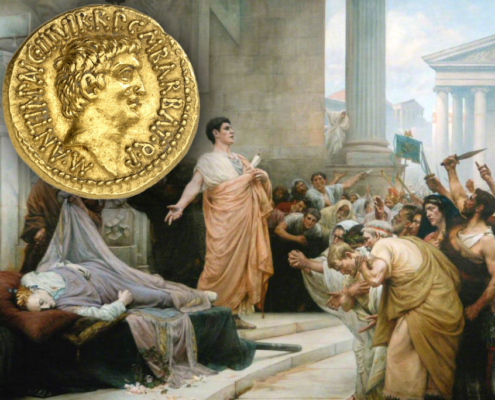
Lucie Loechel2025-02-13 09:44:362025-02-13 10:00:07Marcus Antonius: The Loser Who Did Not Write History
https://new.coinsweekly.com/wp-content/uploads/2025/02/2025KW07HA01_00.jpg
684
860
Lucie Loechel
https://new.coinsweekly.com/wp-content/uploads/2023/01/logo-coinsweekly_590x204.png
Lucie Loechel2025-02-13 09:44:362025-02-13 10:00:07Marcus Antonius: The Loser Who Did Not Write History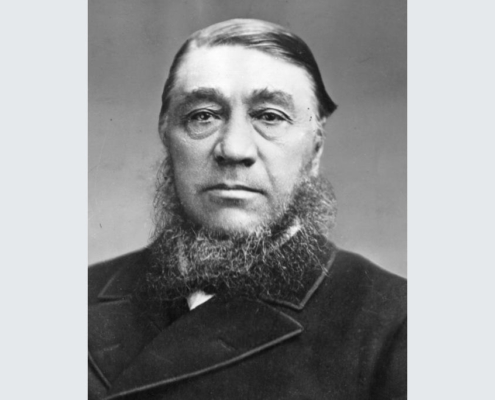 https://new.coinsweekly.com/wp-content/uploads/2025/04/2025KW16HA02_00.jpg
684
860
Lucie Loechel
https://new.coinsweekly.com/wp-content/uploads/2023/01/logo-coinsweekly_590x204.png
Lucie Loechel2025-04-17 08:30:092025-04-17 10:43:15Berlin and South Africa – A Time-Honoured Connection
https://new.coinsweekly.com/wp-content/uploads/2025/04/2025KW16HA02_00.jpg
684
860
Lucie Loechel
https://new.coinsweekly.com/wp-content/uploads/2023/01/logo-coinsweekly_590x204.png
Lucie Loechel2025-04-17 08:30:092025-04-17 10:43:15Berlin and South Africa – A Time-Honoured Connection
Hideo Futahashi (†2024)
We have only now learned that Hideo Futahashi has passed away. Mr. Futahashi was a key figure for Europeans looking to gain a foothold in the Japanese coin market. He was one of those open-minded Japanese who loved introducing European coin enthusiasts to the beauty of his country.
German Museums Continue to be Hit by Wave of Burglaries
With no end in sight, German museums are still regularly targeted by burglars. Often, the general public is unaware of the break-ins as the cases only make headlines in local newspapers. What can museums do to deal with these crimes? We present two cases from autumn 2023.