









Archive: People and Markets
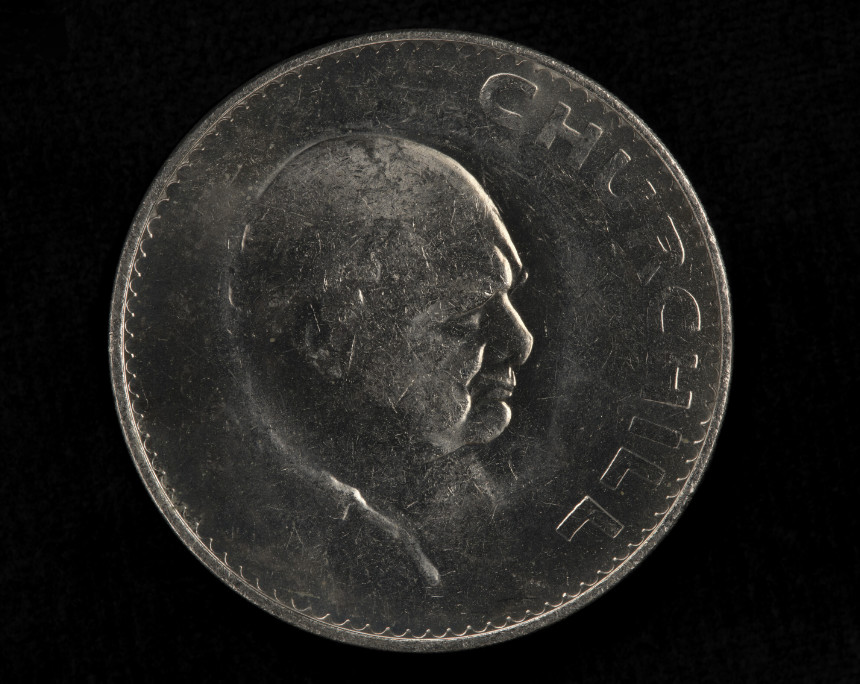
Sir Winston Churchill at 150: Highlights From the J. Eric Engstrom Medal Collection
Last November, Winston Churchill would have turned 150 years old. To mark the occasion, the Heberden Coin Room at the Ashmolean is displaying pieces from their rich collection of medals related to Churchill, most of which come from the J. Eric Engstrom Collection of Churchill Medals.

2-Euro Ticker: New 2-Euro Coins in June 2024
Much has happened in the 2-euro coin world in the past four weeks: new motifs for 2024 were announced and four coins were issued – however, there were some problems.
Archive: Coins, Medals and more
 https://new.coinsweekly.com/wp-content/uploads/2023/05/00HASinconaProbe1820.jpg
684
860
Ursula Kampmann
https://new.coinsweekly.com/wp-content/uploads/2023/01/logo-coinsweekly_590x204.png
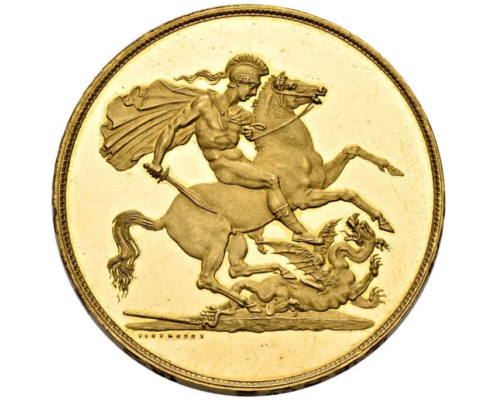
Ursula Kampmann2023-05-11 09:04:372023-05-12 13:41:02As the King Lay Dying… – The Most Spectacular British Gold Coin of the Modern Era
https://new.coinsweekly.com/wp-content/uploads/2023/05/00HASinconaProbe1820.jpg
684
860
Ursula Kampmann
https://new.coinsweekly.com/wp-content/uploads/2023/01/logo-coinsweekly_590x204.png
Ursula Kampmann2023-05-11 09:04:372023-05-12 13:41:02As the King Lay Dying… – The Most Spectacular British Gold Coin of the Modern Era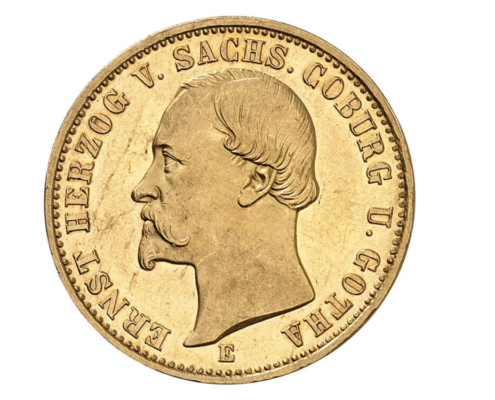 https://new.coinsweekly.com/wp-content/uploads/2023/05/2023KW21HA00.jpg
750
1000
Ursula Kampmann
https://new.coinsweekly.com/wp-content/uploads/2023/01/logo-coinsweekly_590x204.png
Ursula Kampmann2023-05-25 09:00:382023-06-27 11:24:32From Taler to Mark: The Long Road to a Common Currency
https://new.coinsweekly.com/wp-content/uploads/2023/05/2023KW21HA00.jpg
750
1000
Ursula Kampmann
https://new.coinsweekly.com/wp-content/uploads/2023/01/logo-coinsweekly_590x204.png
Ursula Kampmann2023-05-25 09:00:382023-06-27 11:24:32From Taler to Mark: The Long Road to a Common Currency
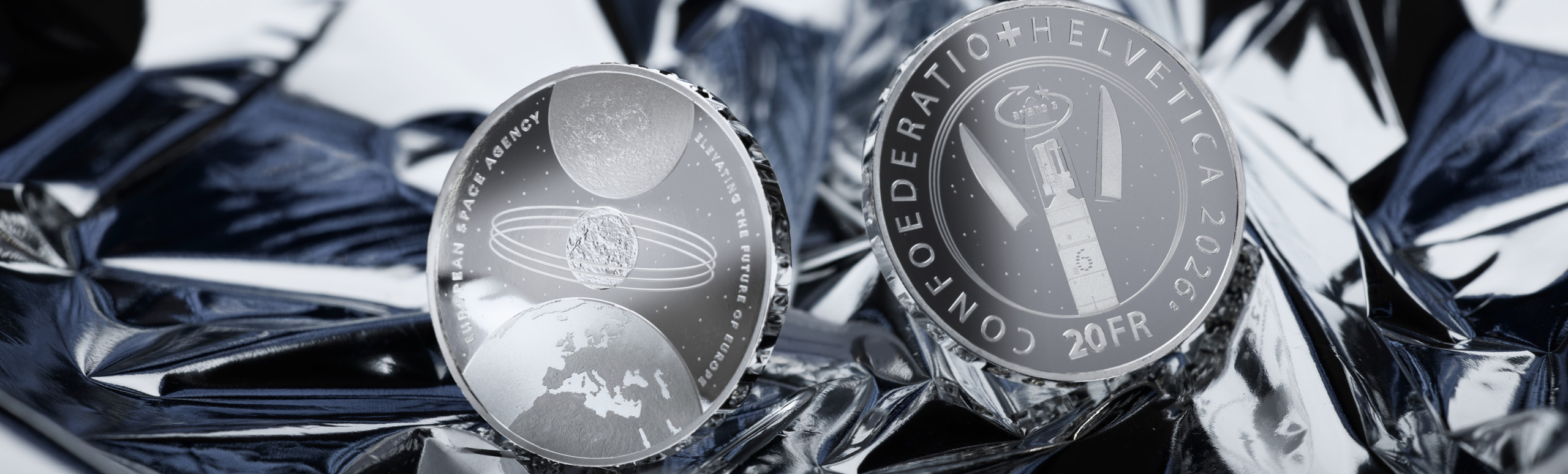
Exclusive Presentation of the Latest Commemorative Coin: The 100-Franc Gold Vreneli Returns After 100 Years
At the World Money Fair, Swissmint unveiled its latest commemorative coin to mark a special anniversary: on 1 July 2025, the coin “100 Years of the 100-Franc Vreneli” will be released – a tribute to the original edition from 1925.
The Money and Medals Network: A New Era
With the end of financing and their relocation, the Money and Medals Network in Great Britain faces new opportunities and challenges.