






Archive: People and Markets
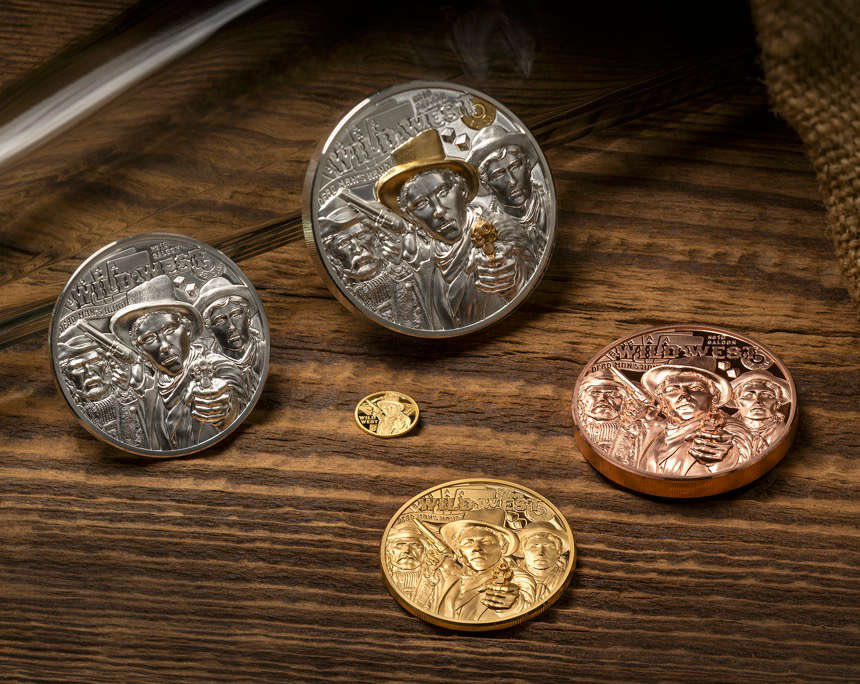
CIT’s Legends – Wild West
In 2024, CIT releases the third issue of its Legends series. Following Terracotta Warriors and Legacy of the Pharaohs, the Liechtenstein innovators now showcase one of our favorite legends: the Wild West. The issue incorporates countless details that are reminiscent of classic Hollywood western movies.
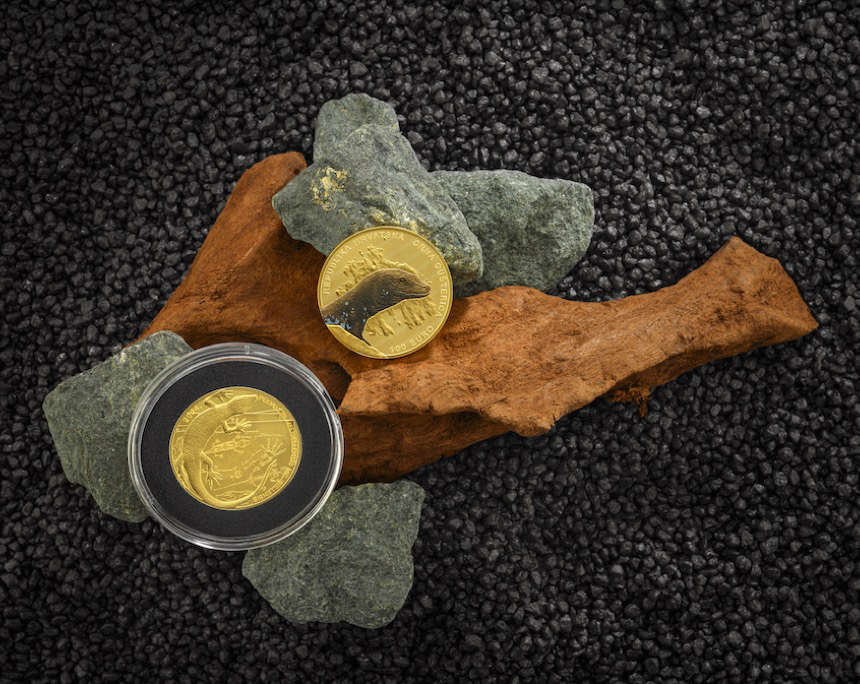
Black Lizard: The Second Issue of the Autochthonous Croatia Series
If you want to witness how Darwin’s natural selection works, there is no need to travel to the Galápagos Islands. The lizards on Croatian islands are just as diverse as Galápagos tortoises. The Croatian Mint has dedicated its latest issue of the Autochthonous Croatia series to a very special lizard species.
Archive: Coins, Medals and more
 https://new.coinsweekly.com/wp-content/uploads/2025/03/2025KW11HA01_00.jpg
684
860
Lucie Loechel
https://new.coinsweekly.com/wp-content/uploads/2023/01/logo-coinsweekly_590x204.png
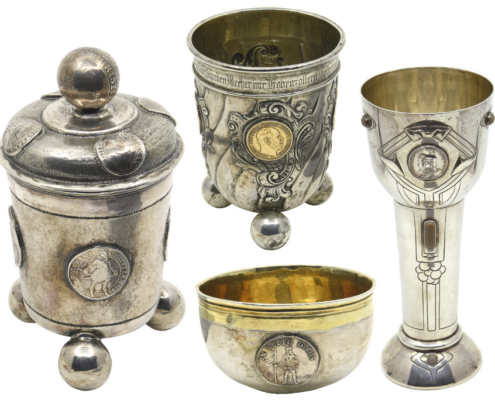
Lucie Loechel2025-03-13 10:11:402025-03-13 10:11:40Coin-Embedded Tableware as Part of European Dining Culture
https://new.coinsweekly.com/wp-content/uploads/2025/03/2025KW11HA01_00.jpg
684
860
Lucie Loechel
https://new.coinsweekly.com/wp-content/uploads/2023/01/logo-coinsweekly_590x204.png
Lucie Loechel2025-03-13 10:11:402025-03-13 10:11:40Coin-Embedded Tableware as Part of European Dining Culture https://new.coinsweekly.com/wp-content/uploads/2023/05/2023KW21HA00.jpg
750
1000
Ursula Kampmann
https://new.coinsweekly.com/wp-content/uploads/2023/01/logo-coinsweekly_590x204.png
Ursula Kampmann2023-05-25 09:00:382023-06-27 11:24:32From Taler to Mark: The Long Road to a Common Currency
https://new.coinsweekly.com/wp-content/uploads/2023/05/2023KW21HA00.jpg
750
1000
Ursula Kampmann
https://new.coinsweekly.com/wp-content/uploads/2023/01/logo-coinsweekly_590x204.png
Ursula Kampmann2023-05-25 09:00:382023-06-27 11:24:32From Taler to Mark: The Long Road to a Common Currency
Hideo Futahashi (†2024)
We have only now learned that Hideo Futahashi has passed away. Mr. Futahashi was a key figure for Europeans looking to gain a foothold in the Japanese coin market. He was one of those open-minded Japanese who loved introducing European coin enthusiasts to the beauty of his country.
Evento Numismático Internacional
There is a new coin show aimed at the Spanish-speaking world: from 26 to 29 June 2024, the first Evento Numismático Internacional will take place at the prestigious Four Seasons Hotel in Madrid, and will include a coin show, numerous presentations and an extensive cultural programme.