






Archive: People and Markets
Reischauer Becomes Part of the Heimerle + Meule Group
With the acquisition of Reischauer GmbH, the Heimerle + Meule Group is expanding its already strong position in the European precious metals market. In the previous year, Heimerle + Meule was already able to substantially enlarge its expertise in precious metal coins and medals by acquiring a majority stake in the Commonwealth Mint.
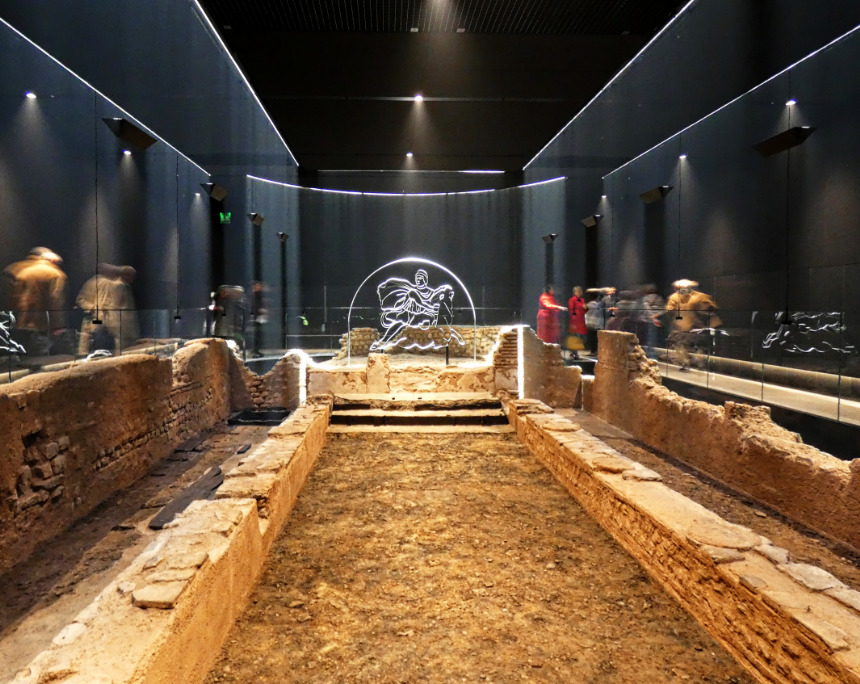
London Museum Receives Roman Artefacts and £20 Million
The London Museum receives generous support. Bloomberg Philanthropies is providing not only £20 million, but also more than 14,000 Roman artifacts that were unearthed prior to the construction of its London headquarters in the heart of the city – at the site where the Temple of Mithras once stood.
Archive: Coins, Medals and more
 https://new.coinsweekly.com/wp-content/uploads/2025/05/2025KW20HA01_00.jpg
684
860
Lucie Loechel
https://new.coinsweekly.com/wp-content/uploads/2023/01/logo-coinsweekly_590x204.png
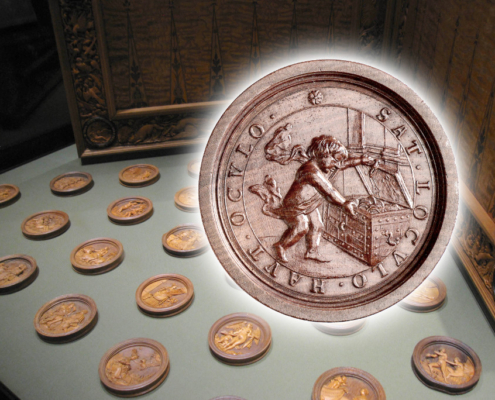
Lucie Loechel2025-05-15 11:34:482025-05-15 11:34:48What Do Gaming Counters Have to Do with Numismatics?
https://new.coinsweekly.com/wp-content/uploads/2025/05/2025KW20HA01_00.jpg
684
860
Lucie Loechel
https://new.coinsweekly.com/wp-content/uploads/2023/01/logo-coinsweekly_590x204.png
Lucie Loechel2025-05-15 11:34:482025-05-15 11:34:48What Do Gaming Counters Have to Do with Numismatics?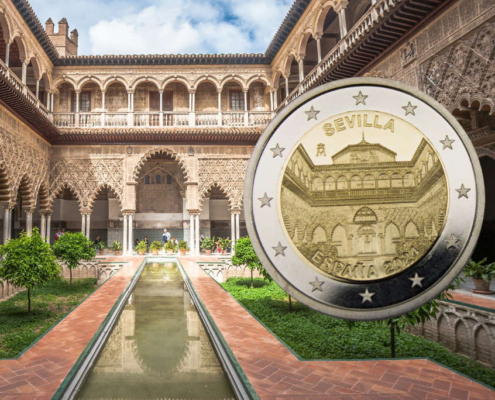 https://new.coinsweekly.com/wp-content/uploads/2024/06/2024KW26HA_00.jpg
684
860
Ursula Kampmann
https://new.coinsweekly.com/wp-content/uploads/2023/01/logo-coinsweekly_590x204.png
Ursula Kampmann2024-06-27 08:00:492024-06-27 09:39:25The Secret of the Success of State Quarters, UNESCO Coins and Federal State Series
https://new.coinsweekly.com/wp-content/uploads/2024/06/2024KW26HA_00.jpg
684
860
Ursula Kampmann
https://new.coinsweekly.com/wp-content/uploads/2023/01/logo-coinsweekly_590x204.png
Ursula Kampmann2024-06-27 08:00:492024-06-27 09:39:25The Secret of the Success of State Quarters, UNESCO Coins and Federal State Series
PMG Grading On-site Service at the HKINF
NGC Hong Kong will accept PMG on-site grading submissions and will offer free paper money evaluations at the Hong Kong International Numismatic Fair (HKINF), on December 11-13, 2023.
A Year of Gold Bars in US Supermarkets: Could the Costco Model Work in Europe?
Since autumn 2023, Americans have been able to invest in gold at the wholesale chain “Costco.” Those who bought then have enjoyed a handsome return – but whether gold will ever be sold at Aldi or Lidl in Europe remains uncertain.