







Archive: People and Markets
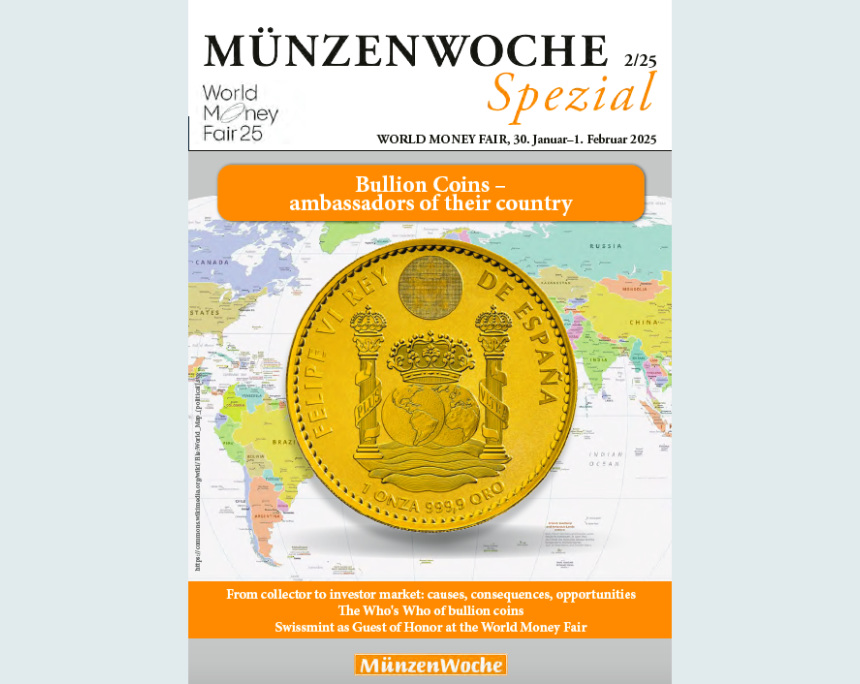
Now available: Our CoinsWeekly Special Issue for the World Money Fair 2025
We usually publish our printed CoinsWeekly Special for the World Money Fair in German, as it is tailored to all the German visitors. This year, however, we decided to also offer an English version of the issue as a download for our international readers. We hope you enjoy reading it!
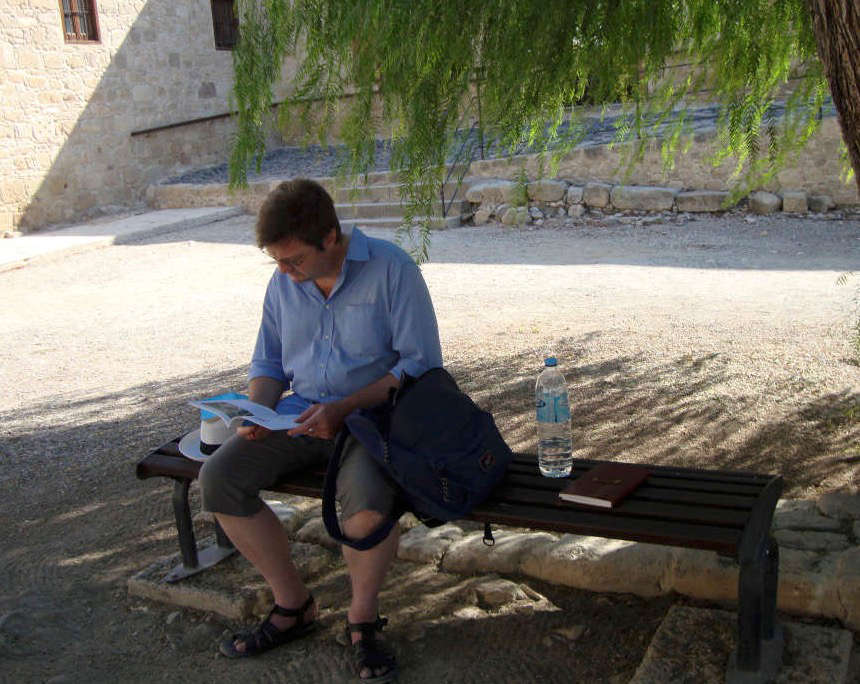
Ulrich Werz (1964-2023)
The numismatist Ulrich Werz died on June 14, 2023. He was known for his work on coin finds and his studies on Roman countermarks. Claire Franklin remembers him.
Archive: Coins, Medals and more
 https://new.coinsweekly.com/wp-content/uploads/2025/06/2025KW25HA01_00.jpg
684
860
Lucie Loechel
https://new.coinsweekly.com/wp-content/uploads/2023/01/logo-coinsweekly_590x204.png
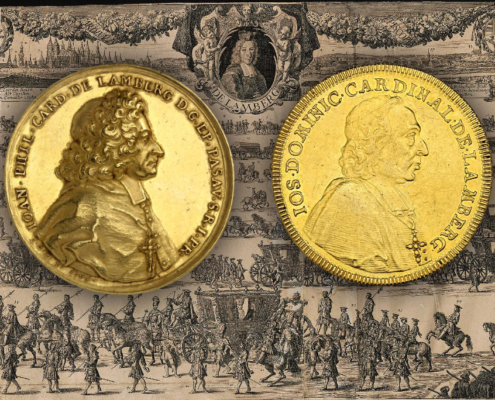
Lucie Loechel2025-06-18 09:13:002025-06-18 09:13:00Münster, Osnabrück, Passau and the Counts of Lamberg
https://new.coinsweekly.com/wp-content/uploads/2025/06/2025KW25HA01_00.jpg
684
860
Lucie Loechel
https://new.coinsweekly.com/wp-content/uploads/2023/01/logo-coinsweekly_590x204.png
Lucie Loechel2025-06-18 09:13:002025-06-18 09:13:00Münster, Osnabrück, Passau and the Counts of Lamberg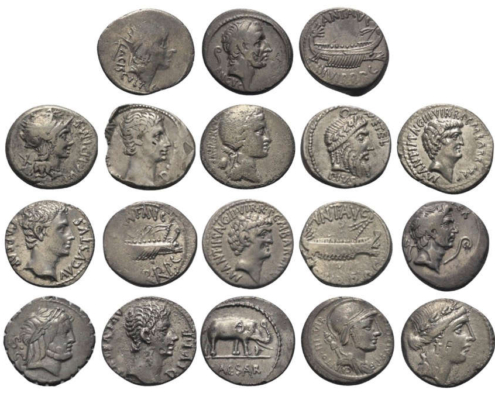 https://new.coinsweekly.com/wp-content/uploads/2023/09/2023KW37HA_00.jpg
684
860
Ursula Kampmann
https://new.coinsweekly.com/wp-content/uploads/2023/01/logo-coinsweekly_590x204.png
Ursula Kampmann2023-09-14 11:08:452023-09-14 11:10:58The Augustean Denarius Find From Brohl-Lützing Offered at Auction
https://new.coinsweekly.com/wp-content/uploads/2023/09/2023KW37HA_00.jpg
684
860
Ursula Kampmann
https://new.coinsweekly.com/wp-content/uploads/2023/01/logo-coinsweekly_590x204.png
Ursula Kampmann2023-09-14 11:08:452023-09-14 11:10:58The Augustean Denarius Find From Brohl-Lützing Offered at Auction
King Felipe Unshaven: New Commemorative Coins from Spain
Spain has presented its first commemorative coins for 2024 – and the designs show an interesting detail.
Cherrypickers’ Guide Sellout as a Sign of Strength for the Die-Variety Market?
A new edition of Cherrypickers’ Guide successfully debuted at the American Numismatic Association World’s Fair of Money in Pittsburgh. Whitman publisher Dennis Tucker explains the success of the new Cherrpickers’ Guide with a growing interest in die varieties. Some of his observations on the die-variety market.