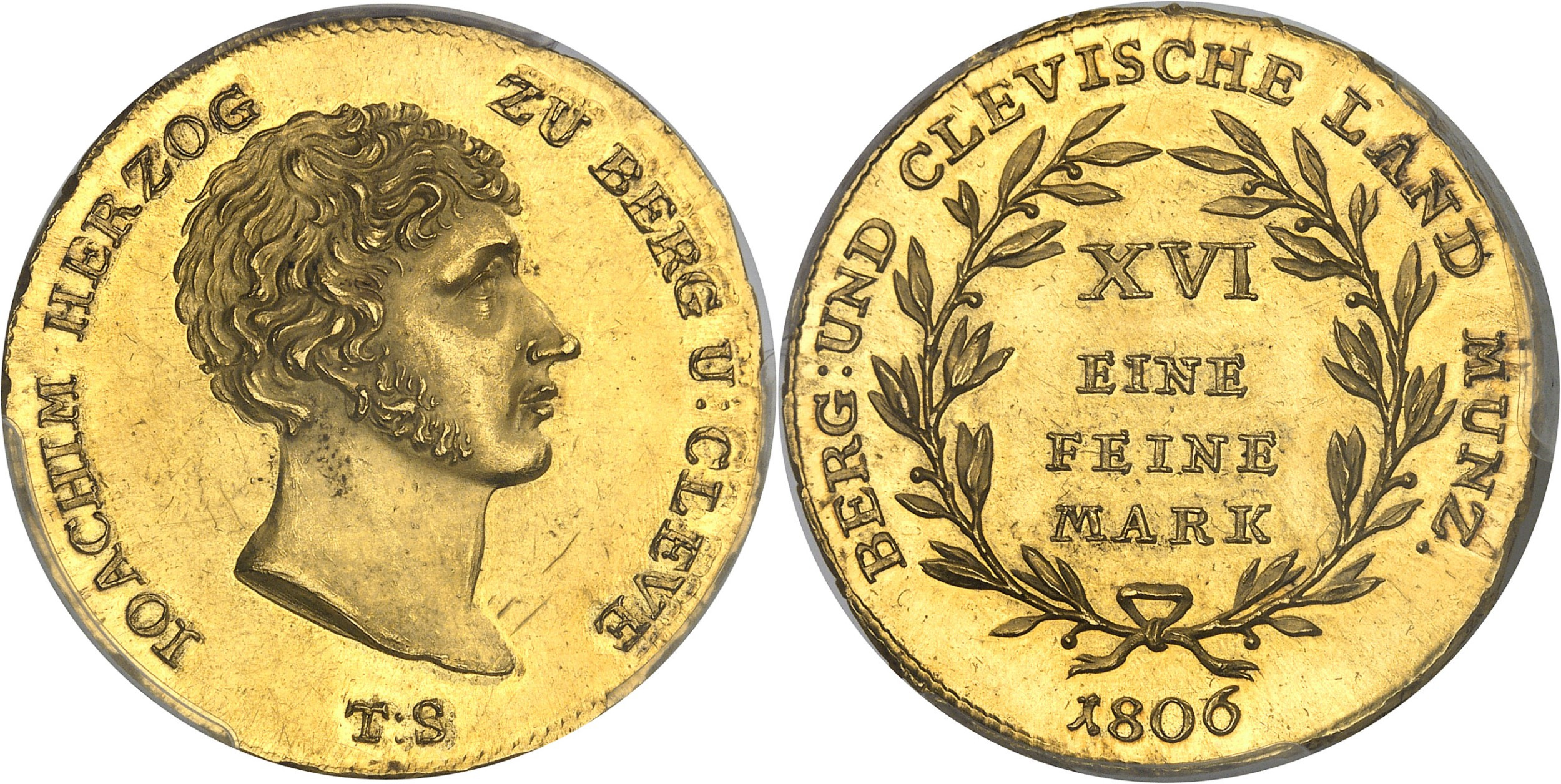
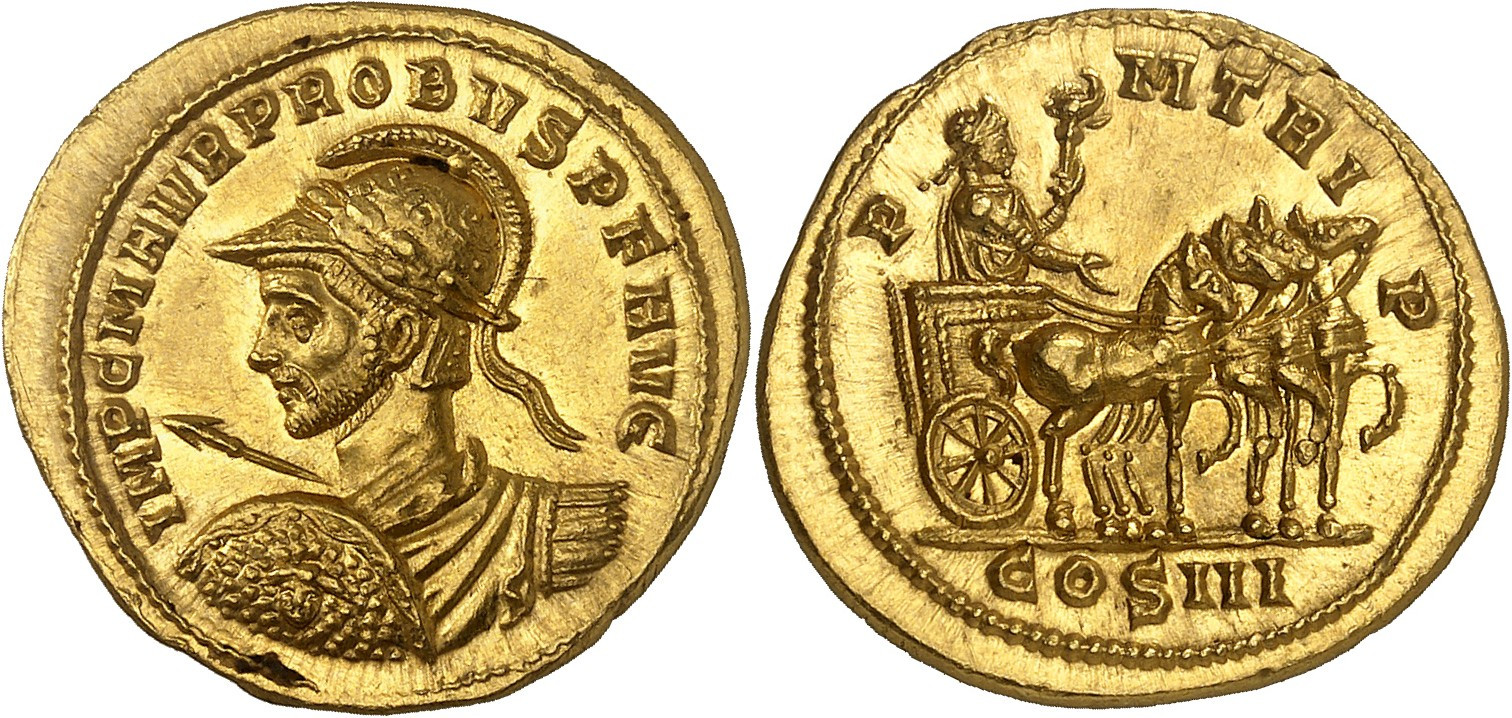
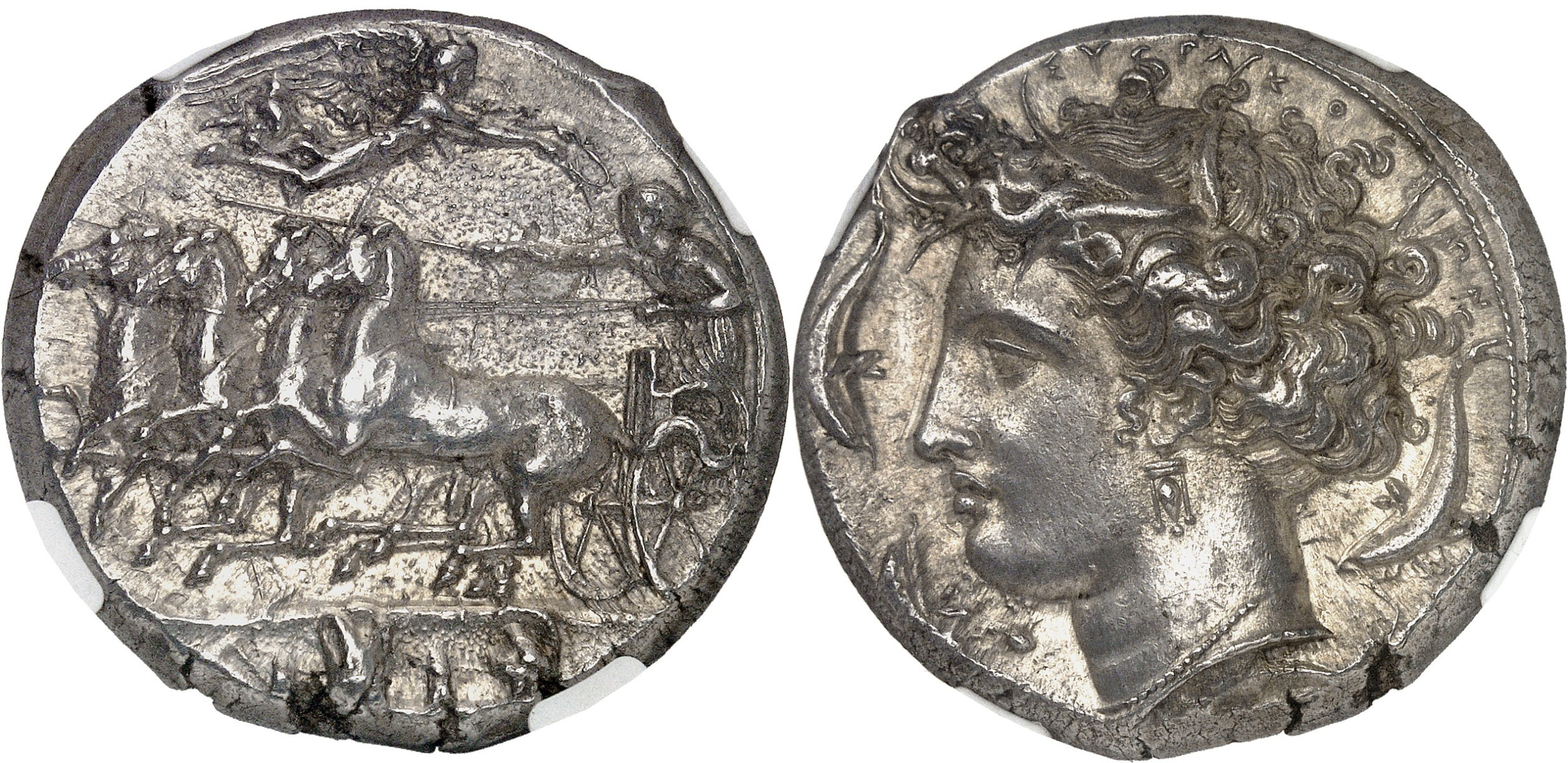
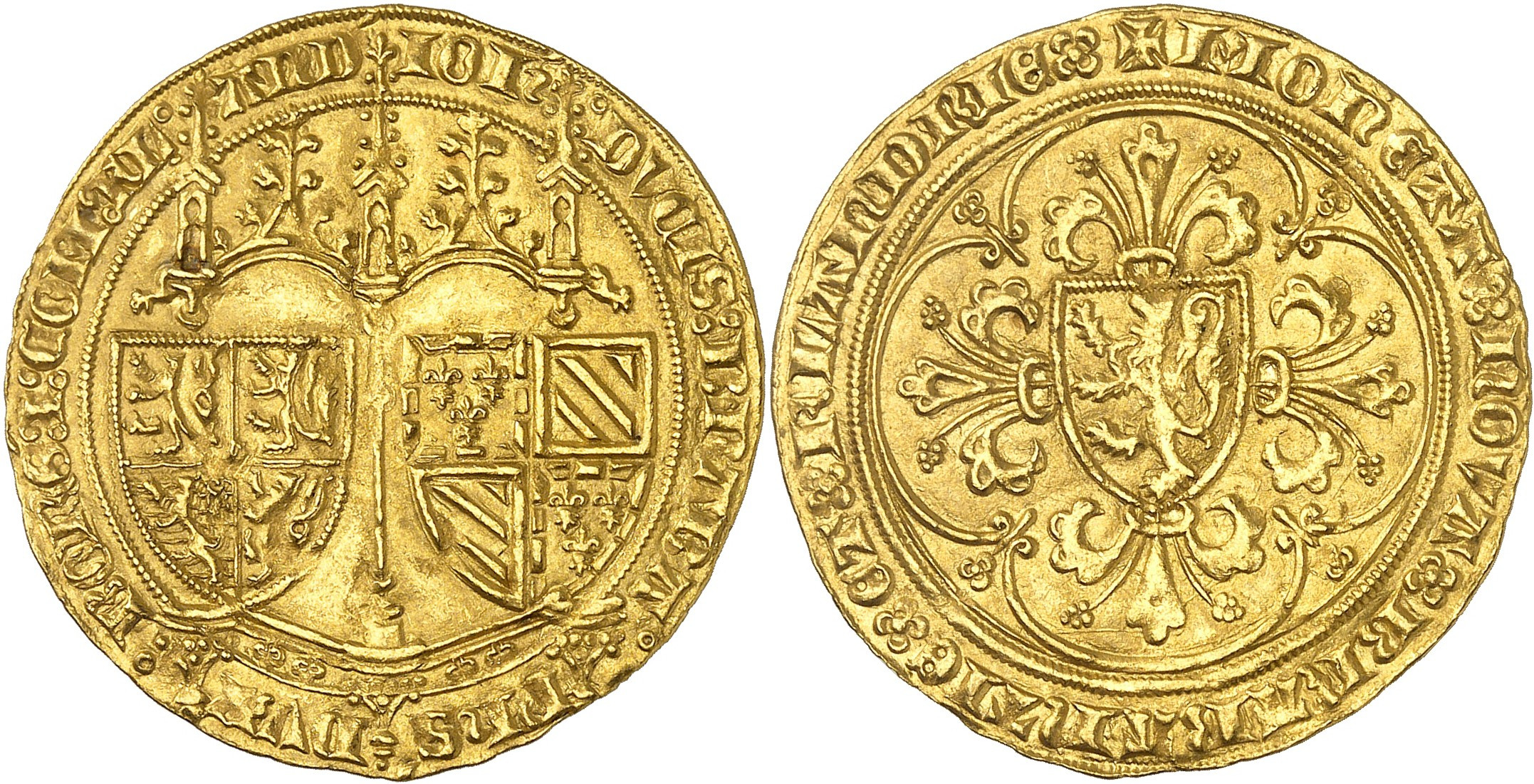
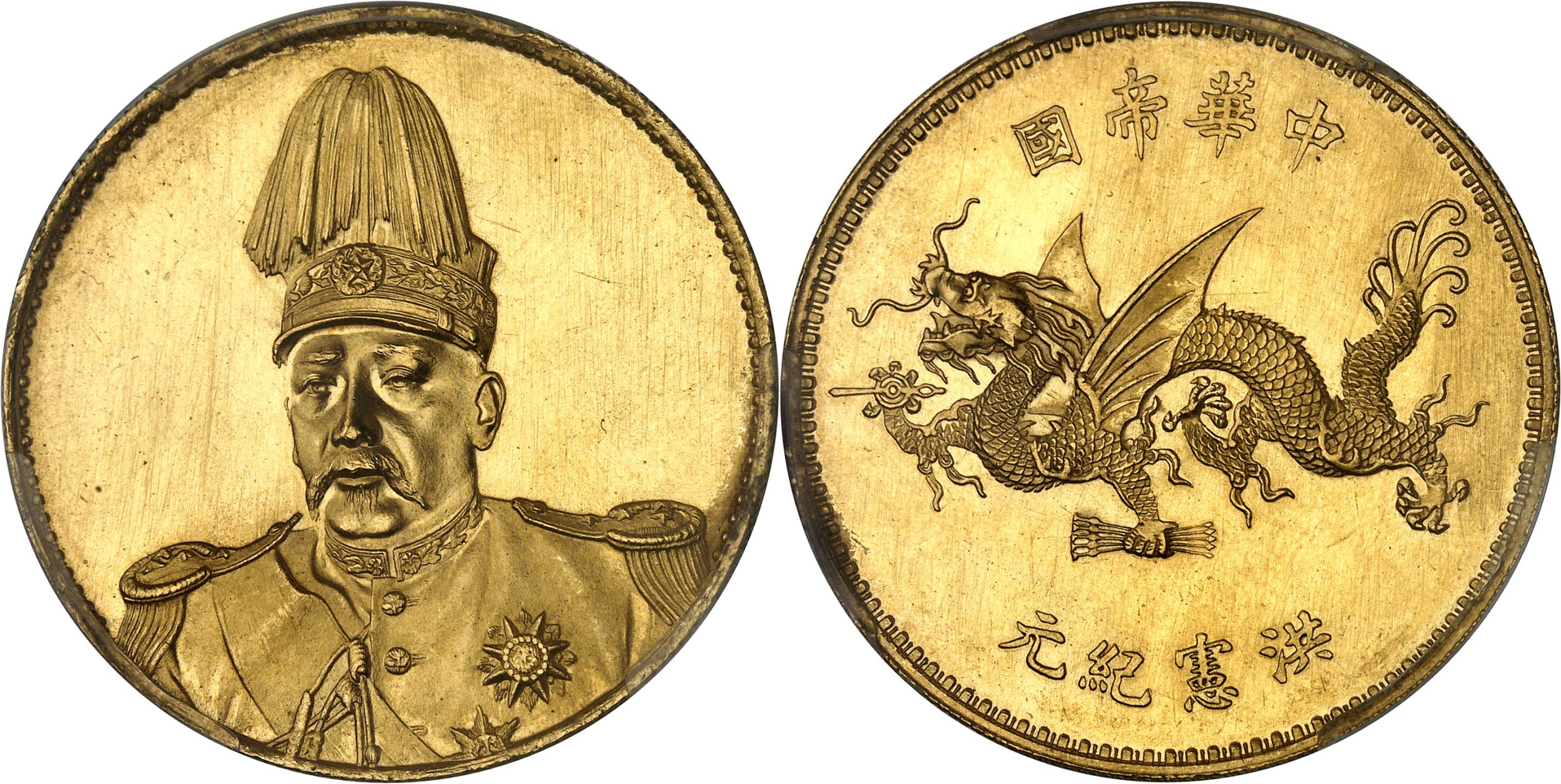
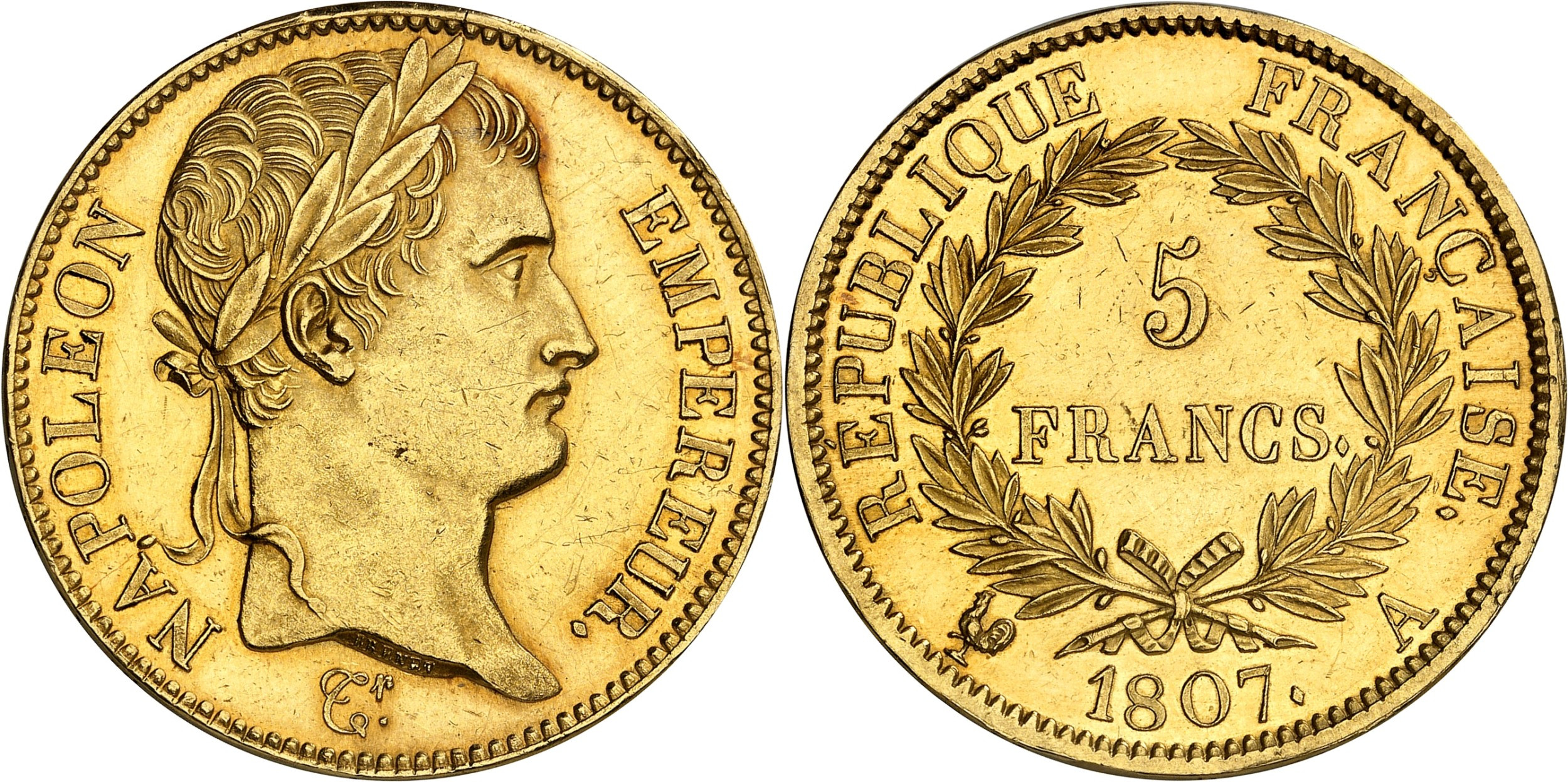
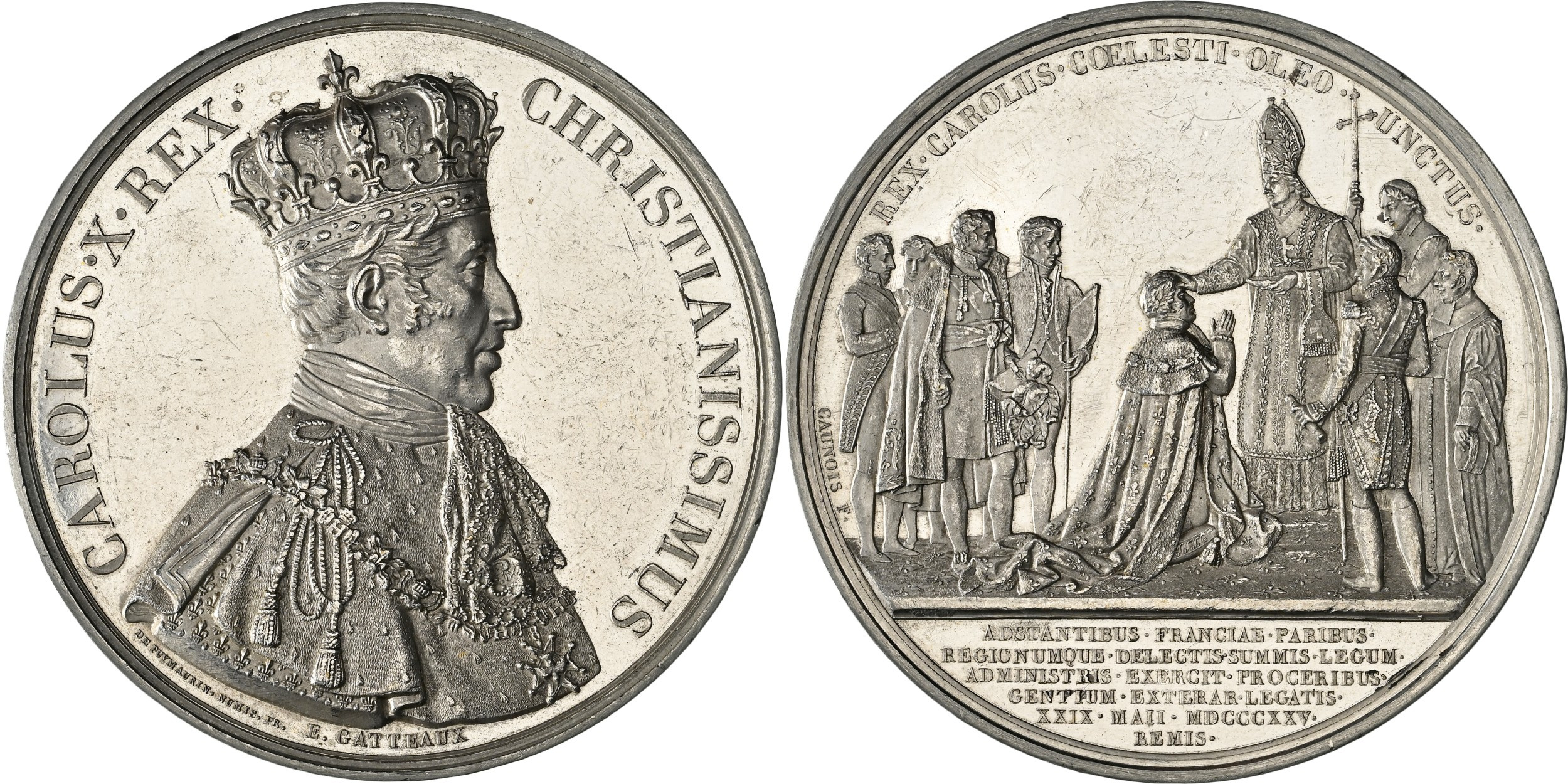
Estimate: 20.000 EuroBrandenburg.
Friedrich Wilhelm, the Great Elector.
Ducat 1686 LCS, Berlin.
Extremely rare.
Attractive piece.
36
Estimate: 50.000 EuroBavaria.
Maximilian II.
Ducat 1855.
Only a few pieces are known.
Extremely fine-uncirculated.
105
Estimate: 125.000 EuroBrunswick-Bevern.
Ferdinand Albrecht I.
Löser in the weight of 4 Reichstalers 1670, Clausthal.
Extremely rare.
Attractive piece.
135
Estimate: 100.000 EuroLippe.
Friedrich Adolf.
5 Ducats 1711, Detmold.
Only known piece.
Extremely fine-uncirculated.
184
Estimate: 50.000 EuroCity of Nuremberg.
10 Ducats 1630.
Extremely rare.
Extremely fine.
198
Estimate: 40.000 EuroCity of Regensburg.
6 Ducats, n. d. (1765-1790), with the title of Joseph II.
NGC MS 62 PL.
Extremely rare.
Attractive piece from polished dies.
Almost uncirculaed.
251
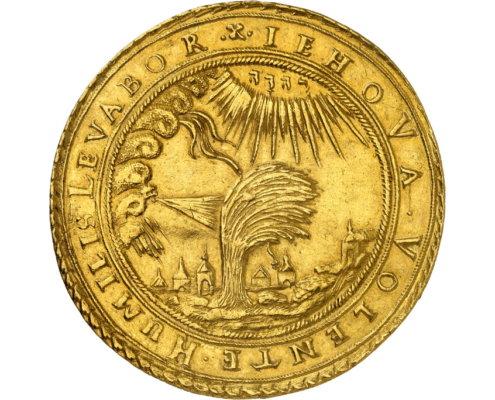
Estimate: 125.000 EuroHolstein-Gottorp.
Johann Adolf, 1590-1616.
Portugalöser (10 ducats) n.d., Eutin.
Extremely rare and of particular
significance in monetary history.
Attractive piece.
295
Estimate: 200.000 EuroRDR.
Leopold I, 1657-1705.
20 Ducats, n. d. (after 1666), Hall,
by M. König.
Extremely rare.
Almost extremely fine.
376
Estimate: 125.000 EuroArchbishopric of Salzburg.
20 Ducats 1687.
NGC AU 58.
Extremely rare.
Extremely fine.
423
Estimate: 40.000 EuroVienna.
Salvator medal in the weight of 24 Ducats,
n. d. (after 1843), by K. Lange.
NGC PF 61.
Extremely rare.
Proof.
431

Archive: People and Markets
New CIT Issue: Reconstruction – Elephant

With the Reconstruction series, CIT presents a new type of coin design, showcasing once again the ingenious way in which B. H. Mayer’s Kunstprägeanstalt transforms the demanding designs of the Liechtenstein innovators into minted objects.

Myntauktioner i Sverige AB Enters Partnership with Künker

Cooperation is the key to success. Following this motto, the Künker auction house enters another strategic partnership with Myntauktioner i Sverige AB, headed by Dan Carlberg, Sweden’s leading auction house.

Ruthenium on Euro Commemorative Coins: Mints Turn to Innovative Finishes – with the Blessing of Central Banks

Coins with exotic precious metal coatings have long been viewed with skepticism, but Malta has now set a new trend with a galvanised commemorative coin. Other eurozone countries are also embracing innovative finishing techniques to capture contemporary tastes.

From a Collector’s Market to an Investor’s Market: Reasons, Consequences, Opportunities, Part 1

Complaining is of no use: change is coming, or may already be here. The question is how to deal with it. In order to develop smart strategies, one must be aware of what is actually happening and why. Ursula Kampmann summarizes the most important changes in the coin world in a loose series. Today: the shift from a collector to an investor market.

Archive: Coins, Medals and more

Friedrich III. auf seinem weißen Hengst bei der Verteidigung Kopenhagens 1659. Gemalt von Frederik Christian Lund, 1887. Bilder: Hintergrund: Wikimedia Commons / CC0. Münze: Auktion SINCONA 94 (22.-23. Oktober 2024), Nr. 1616.

Frederick III of Denmark and Eben Ezer

SINCONA’s Auctions 92 to 95 will take place from 21 to 25 October 2024. This article introduces one of the many rarities up for sale: a so-called “Ebenezer” coin from Denmark. The 4-Ducat piece is extremely rare and of great historical interest.
Karl Ludwig von Bruck, the mastermind behind the Vienna Coinage Treaty. We chose not to depict Emperor Franz Josef I at this point, who is shown on the coins, but the liberal politician Karl Ludwig von Bruck. Born into the family of a bookbinder in Elberfeld (now Wuppertal, Germany), he worked his way up from a merchant’s position to become Austria’s finance minister. He could almost be described as a beacon of hope for Austrian economic policy. It was tragic – and not just for him personally – that Franz Josef “ungraciously” dismissed him in April 1860 on false suspicions. The then 61-year-old took his own life. This deprived Austria of an imaginative politician who might have prevented its economic marginalization by Prussia.

A War Fought with Unusual Weapons: How Prussia Used Finance and Politics to Force the Habsburg Hereditary Lands Out of the German Confederation

On 26 March 2024, the Künker auction house will offer the Tursky Collection with coins of Emperor Franz Joseph I. We use specimens from this collection to tell the story of how Prussia used its economic sway to become the sole hegemonic power in Germany.
Search Search