






Archive: People and Markets
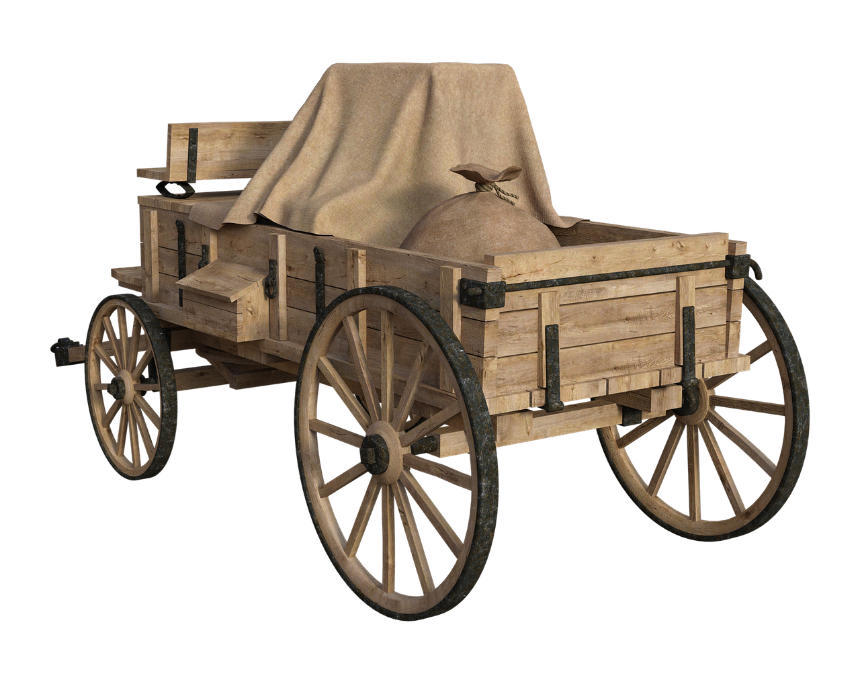
How Not To Handle a Gold Transport
Nearly a million euros worth of gold coins were transported in a carrier van to a precious metals dealer without any security measures. No prizes for guessing whether or not they actually got there. A lawsuit in Bavaria reveals how this could happen.

Call for Papers: AIA Annual Meeting 2025
The Numismatics Interest Group of the Archaeological Institute of America invites abstracts on ancient coins and archaeology for the AIA Annual meeting 2025. They can be submitted until 28th February 2024.
Archive: Coins, Medals and more
 https://new.coinsweekly.com/wp-content/uploads/2023/10/2023KW42HA_00.jpg
684
860
Ursula Kampmann
https://new.coinsweekly.com/wp-content/uploads/2023/01/logo-coinsweekly_590x204.png
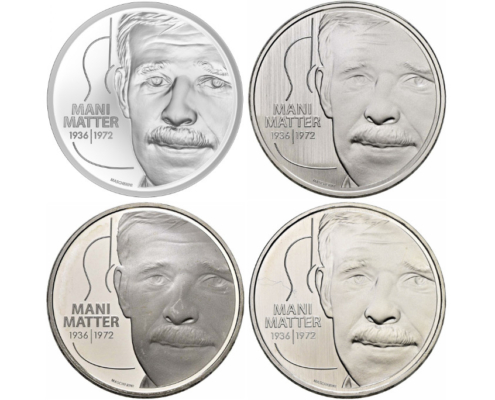
Ursula Kampmann2023-10-19 08:00:012023-10-19 11:43:14SINCONA Offers Spectacular Swissmint Patterns
https://new.coinsweekly.com/wp-content/uploads/2023/10/2023KW42HA_00.jpg
684
860
Ursula Kampmann
https://new.coinsweekly.com/wp-content/uploads/2023/01/logo-coinsweekly_590x204.png
Ursula Kampmann2023-10-19 08:00:012023-10-19 11:43:14SINCONA Offers Spectacular Swissmint Patterns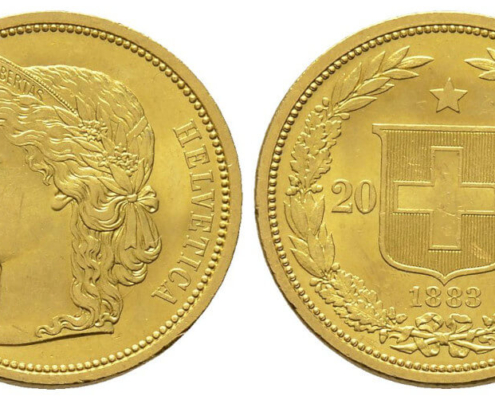 https://new.coinsweekly.com/wp-content/uploads/2023/06/00_CH-1883-20Fr.jpg
502
1000
Bruno
https://new.coinsweekly.com/wp-content/uploads/2023/01/logo-coinsweekly_590x204.png
Bruno2022-06-13 14:16:552023-06-29 11:02:58The Vreneli – A Swiss Icon
https://new.coinsweekly.com/wp-content/uploads/2023/06/00_CH-1883-20Fr.jpg
502
1000
Bruno
https://new.coinsweekly.com/wp-content/uploads/2023/01/logo-coinsweekly_590x204.png
Bruno2022-06-13 14:16:552023-06-29 11:02:58The Vreneli – A Swiss Icon
2-Euro Ticker: New 2-Euro Coins in August 2024
The 2-euro world is in a summer slump: only two new coins will be released in August, but there is good news for price-conscious collectors – interesting details were released about the issues of the coming months.
New Publication on Hallmarks of Gold Coinage in Serbia and Yugoslavia
After the work of countless renowned scholars, is it even possible to make new findings in the numismatics of Austria-Hungary and the Balkans? The Austrian Research Society for Numismatics says „yes!“ and proves this with Aleksandar Brzić’s new book on Serbian and Yugoslav hallmarks on gold coins from 1882 to 1941.