







Archive: People and Markets
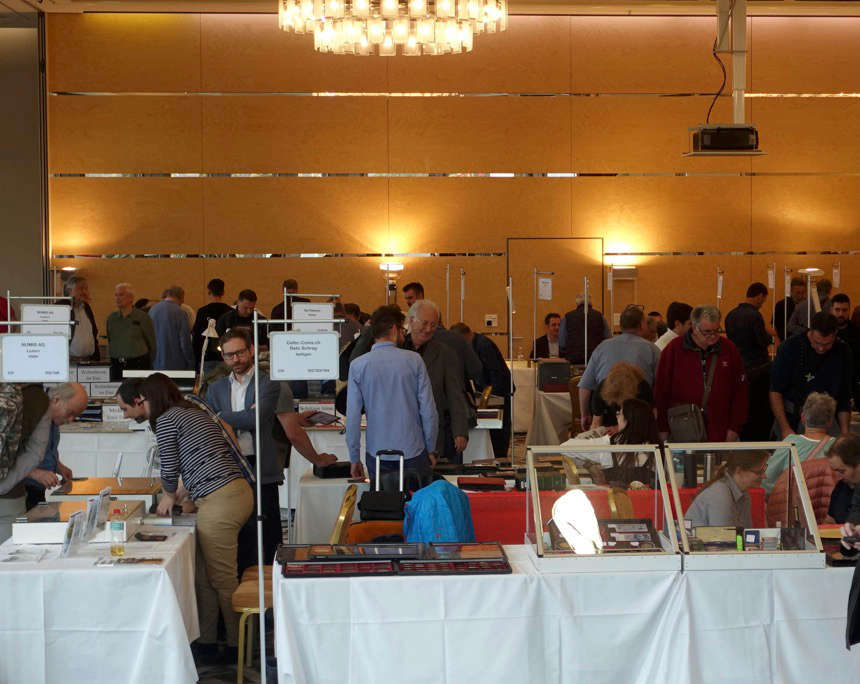
The Zurich International Coin Fair 2023
For many decades, the coin fair in Zurich has been the most important meeting point for the Swiss numismatic scene. In 2023, it was particularly crowded, as Swissmint had planned a special sale that drew many interested people.

ICOMON Annual Conference 2023: Take a Look at the Program
The ICOMON Annual Conference will be held in in Malaysia from 16-18th November 2023. The program is now available for download online.
Archive: Coins, Medals and more
 https://new.coinsweekly.com/wp-content/uploads/2024/08/2024KW35HA_00.jpg
684
860
Sebastian Wieschowski
https://new.coinsweekly.com/wp-content/uploads/2023/01/logo-coinsweekly_590x204.png
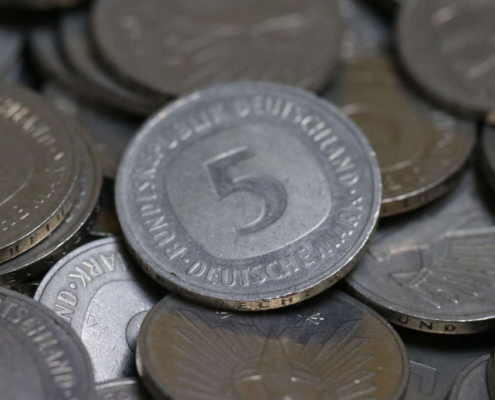
Sebastian Wieschowski2024-08-29 08:00:232024-08-29 09:45:04Marks and Pfennigs in Your Inheritance: What Should Heirs Do with Old DM Coins?
https://new.coinsweekly.com/wp-content/uploads/2024/08/2024KW35HA_00.jpg
684
860
Sebastian Wieschowski
https://new.coinsweekly.com/wp-content/uploads/2023/01/logo-coinsweekly_590x204.png
Sebastian Wieschowski2024-08-29 08:00:232024-08-29 09:45:04Marks and Pfennigs in Your Inheritance: What Should Heirs Do with Old DM Coins?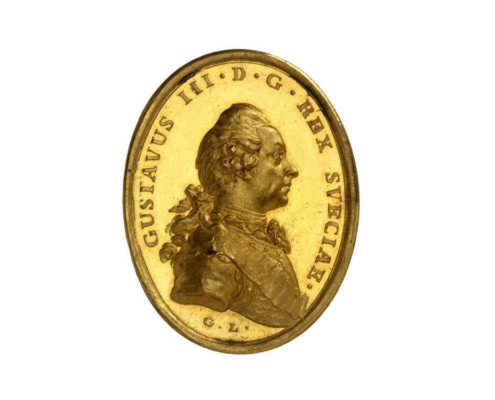 https://new.coinsweekly.com/wp-content/uploads/2023/05/2023KW20HA00.jpg
750
1000
Ursula Kampmann
https://new.coinsweekly.com/wp-content/uploads/2023/01/logo-coinsweekly_590x204.png
Ursula Kampmann2023-05-17 10:00:472023-06-27 11:25:44Gustav III: A Conservative Revolutionary
https://new.coinsweekly.com/wp-content/uploads/2023/05/2023KW20HA00.jpg
750
1000
Ursula Kampmann
https://new.coinsweekly.com/wp-content/uploads/2023/01/logo-coinsweekly_590x204.png
Ursula Kampmann2023-05-17 10:00:472023-06-27 11:25:44Gustav III: A Conservative Revolutionary
Fiasco – A Cautionary Tale of What’s to Come Once the New EU Import Regulation Comes Into Force
If you want to get an idea of how enforcement might work under the European Union’s new import licensing regulation after June 28, 2025, here is a cautionary tale, shared by Ivan Macquisten.
CoinsWeekly Special Issue for the TICC Tokyo 2024
After overwhelming interest last year, we have once again published a printed CoinsWeekly Special Issue for TICC 2024, which takes place in Tokyo from April 26 to 28. If you can’t make it to Tokyo, you can download the PDF here.