








Archive: People and Markets

Ivana Brlić-Mažuranić: The Woman Who Gave Croatia Its Fairy Tales
Ivana Brlić-Mažuranić is one of the authors that every Croatian is familiar with because they grew up listening to her fairy tales. Now the Croatian National Bank is issuing two collector coins to commemorate the 150th birthday of Ivana Brlić-Mažuranić.
Künker Auctions 100 Pieces from the Ronus Collection to Benefit the ANS
As part of Künkers eLive Auction 87, 100 pieces from the Robert Ronus Collection which were generously donated to the ANS will be auctioned off to benefit the Society. Robert Ronus is a passionate coin collector, dedicated numismatist and a long-time supporter of the ANS.
Archive: Coins, Medals and more
 https://new.coinsweekly.com/wp-content/uploads/2023/09/2023KW37HA_00.jpg
684
860
Ursula Kampmann
https://new.coinsweekly.com/wp-content/uploads/2023/01/logo-coinsweekly_590x204.png
Ursula Kampmann2023-09-14 11:08:452023-09-14 11:10:58The Augustean Denarius Find From Brohl-Lützing Offered at Auction
https://new.coinsweekly.com/wp-content/uploads/2023/09/2023KW37HA_00.jpg
684
860
Ursula Kampmann
https://new.coinsweekly.com/wp-content/uploads/2023/01/logo-coinsweekly_590x204.png
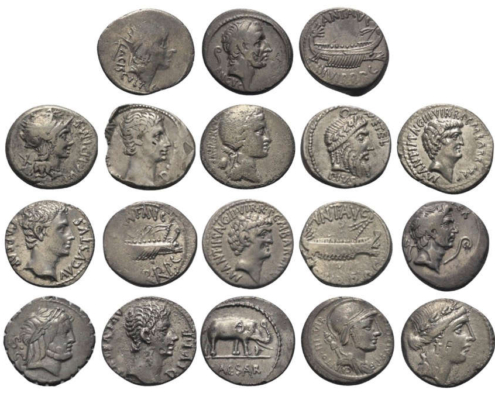
Ursula Kampmann2023-09-14 11:08:452023-09-14 11:10:58The Augustean Denarius Find From Brohl-Lützing Offered at Auction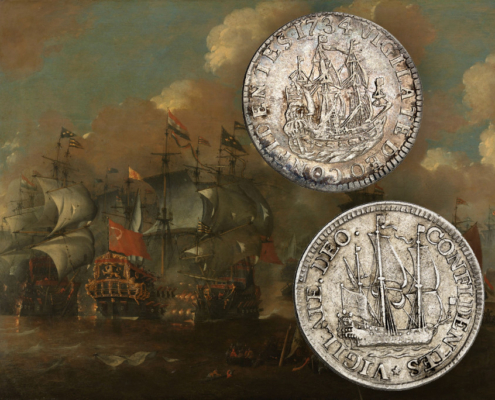 https://new.coinsweekly.com/wp-content/uploads/2024/09/2024KW38HA_00.jpg
684
860
Ursula Kampmann
https://new.coinsweekly.com/wp-content/uploads/2023/01/logo-coinsweekly_590x204.png
Ursula Kampmann2024-09-19 10:16:302024-09-19 11:07:49Bloody Flag and Scheepjesschelling
https://new.coinsweekly.com/wp-content/uploads/2024/09/2024KW38HA_00.jpg
684
860
Ursula Kampmann
https://new.coinsweekly.com/wp-content/uploads/2023/01/logo-coinsweekly_590x204.png
Ursula Kampmann2024-09-19 10:16:302024-09-19 11:07:49Bloody Flag and Scheepjesschelling
12th Kuala Lumpur International Numismatic Fair
Over 60 exhibiting companies will attend the Kuala Lumpur International Numismatic Fair, which will take place from March 29th to March 31st, 2024. Whether you’re a seasoned collector or a budding enthusiast, this event offers an opportunity to immerse yourself in the world of rare and valuable treasures.
Swissmint Becomes First eCommerce Partner on Coiniverse
The numismatic smartphone application, founded by the mint of Finland and turned into an independent start-up, aims to become a marketplace for mints and coin dealers around the world.