







Archive: People and Markets
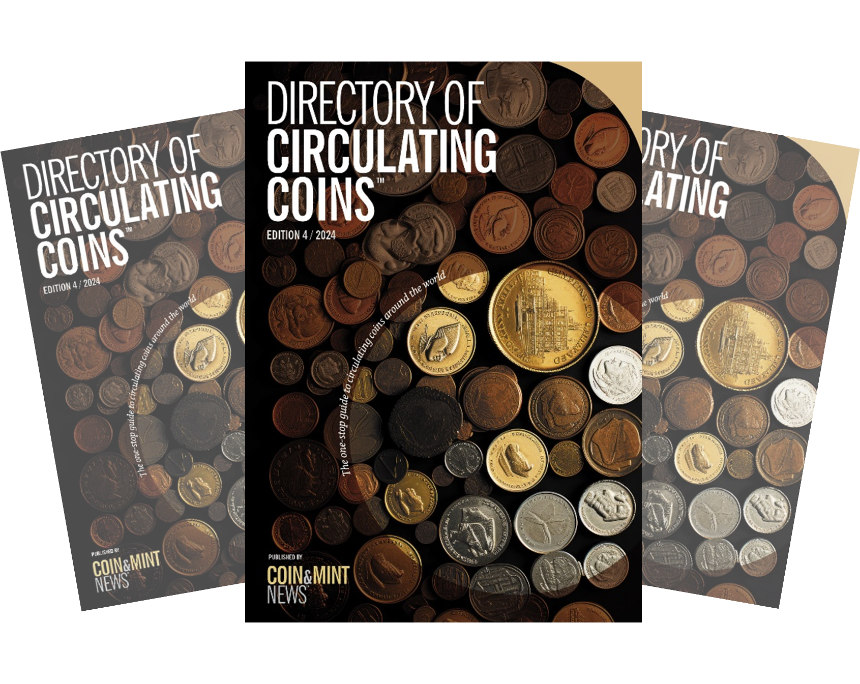
Directory of Circulating Coins – 4th Edition is Now Available
The fourth edition of the Directory of Circulating Coins has been published. Five years after the last edition, the useful reference book for current circulation coins is now up to date again.

Tiffany Art Metropolis – Palace of Westminster
CIT’s Tiffany issues are among the most coveted rarities on the collectors’ market. This is not only due to their innovative inlay but also to the high level of minting technology and the attention to detail. In 2023 it is London’s turn with the Palace of Westminster. The playful neo-Gothic architecture of the Victorian age is perfectly suited for such an elaborate design.
Archive: Coins, Medals and more
 https://new.coinsweekly.com/wp-content/uploads/2024/06/2024KW23HA_00.jpg
684
860
Ursula Kampmann
https://new.coinsweekly.com/wp-content/uploads/2023/01/logo-coinsweekly_590x204.png
Ursula Kampmann2024-06-06 10:42:582024-06-06 12:38:59For Railroad Fans: The Suram Tunnel
https://new.coinsweekly.com/wp-content/uploads/2024/06/2024KW23HA_00.jpg
684
860
Ursula Kampmann
https://new.coinsweekly.com/wp-content/uploads/2023/01/logo-coinsweekly_590x204.png
Ursula Kampmann2024-06-06 10:42:582024-06-06 12:38:59For Railroad Fans: The Suram Tunnel
How Canada’s Coins Celebrate the Coronation of King Charles III
The Royal Canadian Mint released collector coins in celebration of King Charles’ Coronation. The coins feature the new Royal Cypher but not yet the King’s portrait. Find here more information about when to expect his portrait.
Decline in Print Business: MDM Announces Job Cuts
The Münzhandelsgesellschaft in Brunswick reports a decline in sales and plans to reorganise its sales and develop new products.