







Archive: People and Markets
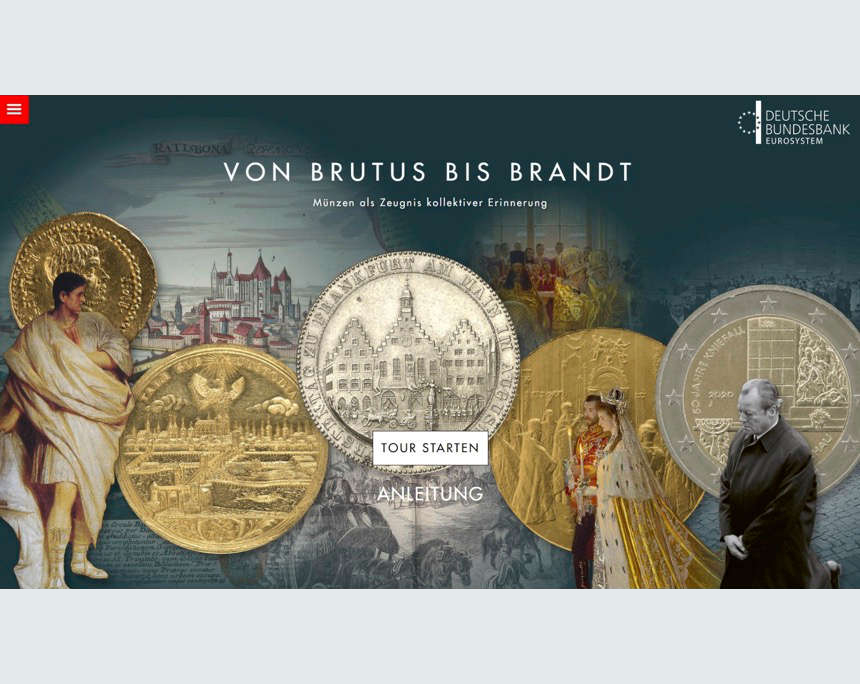
From Brutus to Brandt – Digital Exhibition of the Deutsche Bundesbank
The Deutsche Bundesbank presents “From Brutus to Brandt – Coins as a Testimony to Collective Memory”. In this sophisticated digital exhibition, eight coins from antiquity to the present day are examined in detail.

In Love With Japan
This year, Andrea Pancheri attended the Tokyo International Coin Convention for the first time on our behalf – and was absolutely thrilled by both the country and the event! Find out why here.
Archive: Coins, Medals and more
 https://new.coinsweekly.com/wp-content/uploads/2024/03/2024KW12HA_00.jpg
684
860
Ursula Kampmann
https://new.coinsweekly.com/wp-content/uploads/2023/01/logo-coinsweekly_590x204.png
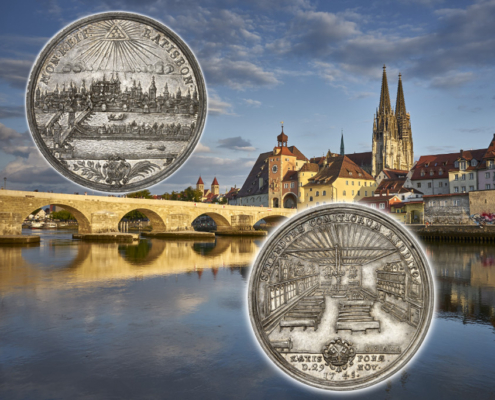
Ursula Kampmann2024-03-14 11:47:492024-03-14 11:57:08Regensburg: Where the Emperor and the Empire Met
https://new.coinsweekly.com/wp-content/uploads/2024/03/2024KW12HA_00.jpg
684
860
Ursula Kampmann
https://new.coinsweekly.com/wp-content/uploads/2023/01/logo-coinsweekly_590x204.png
Ursula Kampmann2024-03-14 11:47:492024-03-14 11:57:08Regensburg: Where the Emperor and the Empire Met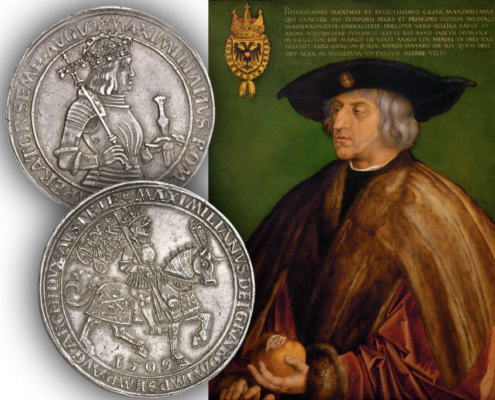 https://new.coinsweekly.com/wp-content/uploads/2025/05/2025KW22HA01_00.jpg
684
860
Lucie Loechel
https://new.coinsweekly.com/wp-content/uploads/2023/01/logo-coinsweekly_590x204.png
Lucie Loechel2025-05-28 10:29:402025-05-28 10:29:40Maximilian: The Last Knight and / or a Bankrupt
https://new.coinsweekly.com/wp-content/uploads/2025/05/2025KW22HA01_00.jpg
684
860
Lucie Loechel
https://new.coinsweekly.com/wp-content/uploads/2023/01/logo-coinsweekly_590x204.png
Lucie Loechel2025-05-28 10:29:402025-05-28 10:29:40Maximilian: The Last Knight and / or a Bankrupt
New CIT Issue: Hunters by Night – Ocelot
Since 2020, CIT has been releasing its award-winning and successful Hunters by Night series. The fifth issue is now dedicated to the ocelot, with the nocturnal hunter’s eyes standing out almost hypnotically against the Black Obsidian surface.
A King in Your Wallet: Pound Coins Featuring Charles III Enter Circulation
Almost two years after the death of Queen Elizabeth II, her successor, King Charles III, is gradually arriving in the wallets of the British – and new faces will also be appearing in change in Denmark and Luxembourg.