








Archive: People and Markets
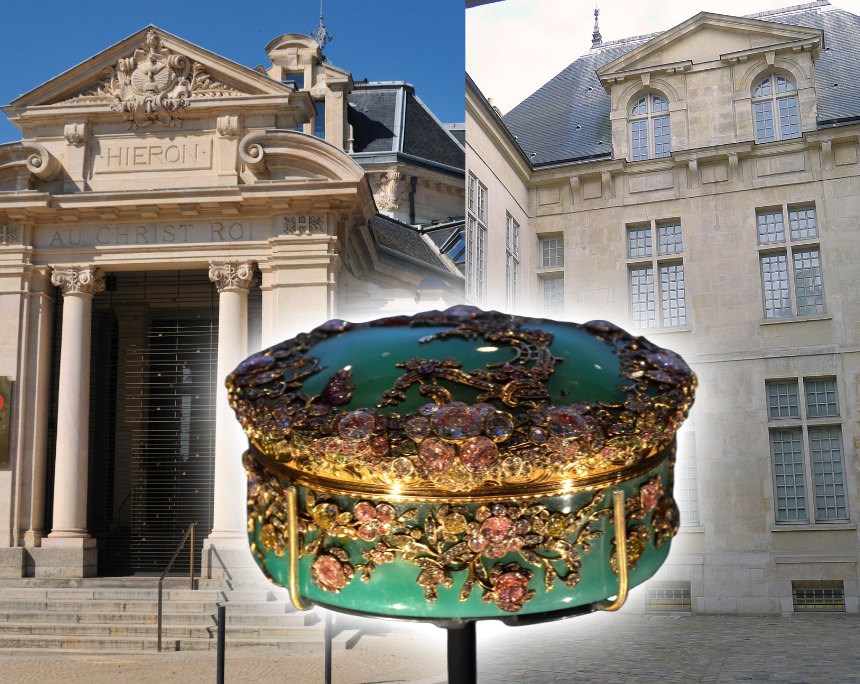
Two Robberies in Two Days – French Museums Targeted by Criminals
Last week, two museums in France were robbed. The museums were helpless in the face of the criminals’ ruthless brutality. Is it even possible to protect our cultural heritage in this day and age?

In God We Trust
In God we trust. Do we still trust in God? In recent years, there has been much debate on whether coins and banknotes should continue to refer to divine powers. The Austrian National Bank dedicated an exhibition to the question of why money is so closely linked to religion. Ursula Kampmann takes a look at the catalogue.
Archive: Coins, Medals and more
 https://new.coinsweekly.com/wp-content/uploads/2024/12/2024KW51HA_00.jpg
684
860
Lucie Loechel
https://new.coinsweekly.com/wp-content/uploads/2023/01/logo-coinsweekly_590x204.png
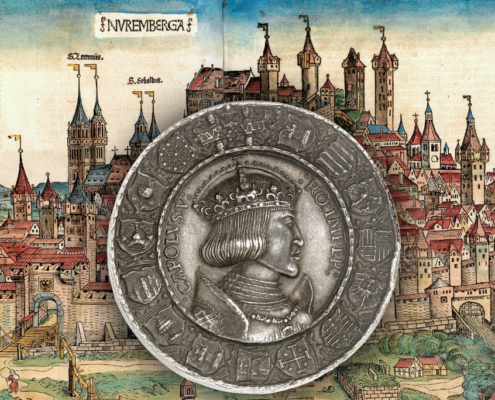
Lucie Loechel2024-12-19 10:10:262024-12-19 12:59:54A Medal Made by Dürer as the Official Gift of the City of Nuremberg for Charles V
https://new.coinsweekly.com/wp-content/uploads/2024/12/2024KW51HA_00.jpg
684
860
Lucie Loechel
https://new.coinsweekly.com/wp-content/uploads/2023/01/logo-coinsweekly_590x204.png
Lucie Loechel2024-12-19 10:10:262024-12-19 12:59:54A Medal Made by Dürer as the Official Gift of the City of Nuremberg for Charles V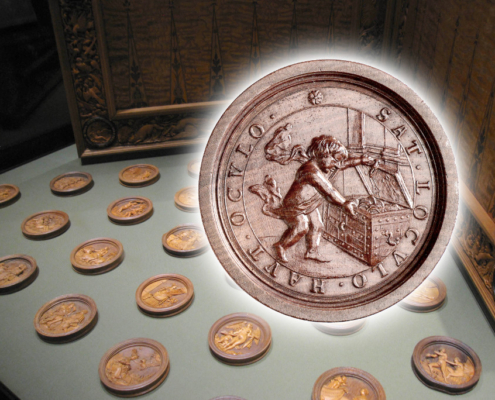 https://new.coinsweekly.com/wp-content/uploads/2025/05/2025KW20HA01_00.jpg
684
860
Lucie Loechel
https://new.coinsweekly.com/wp-content/uploads/2023/01/logo-coinsweekly_590x204.png
Lucie Loechel2025-05-15 11:34:482025-05-15 11:34:48What Do Gaming Counters Have to Do with Numismatics?
https://new.coinsweekly.com/wp-content/uploads/2025/05/2025KW20HA01_00.jpg
684
860
Lucie Loechel
https://new.coinsweekly.com/wp-content/uploads/2023/01/logo-coinsweekly_590x204.png
Lucie Loechel2025-05-15 11:34:482025-05-15 11:34:48What Do Gaming Counters Have to Do with Numismatics?
Stack’s Bowers Galleries 2024 Professional Numismatist Program
If you have ever considered making your hobby your profession, the Stack’s Bowers Professional Numismatist Program offers an opportunity to acquire the skills necessary to be successful in this field.
CIT presents: Alcatraz Island
With Alcatraz, CIT presents a coin that takes the depiction of islands to a completely new level. Be it from a bird’s eye view or from the side, the coin depicts the legendary penitentiary complex in great detail and illustrates why the island became a myth.