






Archive: People and Markets
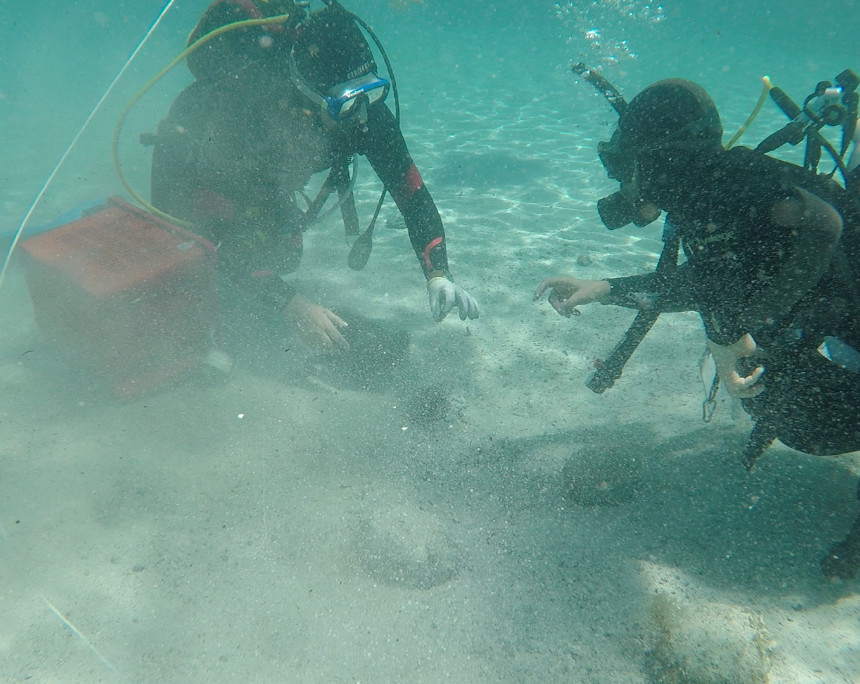
Archaeologists in Awe at the Sight of Sardinia’s Folles Hoard
Italian archaeologists are calling it one of the most important finds in recent years: up to 50,000 bronze coins dating from the 4th century have been discovered off the Sardinian coast. Apart from the outstanding size of this hoard, the coins’ condition is also astonishing.
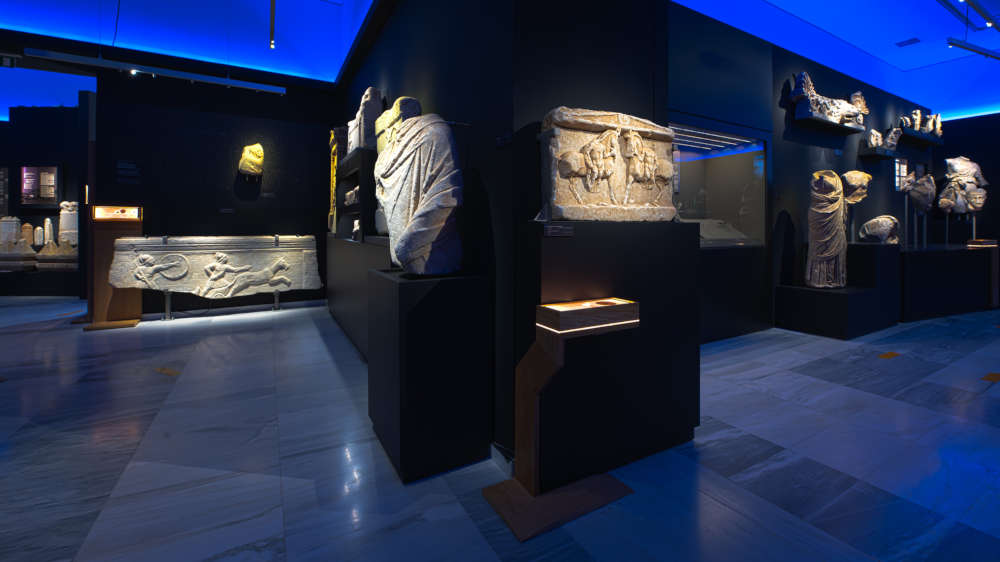
A Numismatic Itinerary Through the Peloponnese
The Archaeological Museum of Tegea in Greece shows in a temporary exhibition how places in the Peloponnese were presented on ancient coins.
Archive: Coins, Medals and more
 https://new.coinsweekly.com/wp-content/uploads/2024/09/2024KW37HA_00.jpg
684
860
Ursula Kampmann
https://new.coinsweekly.com/wp-content/uploads/2023/01/logo-coinsweekly_590x204.png
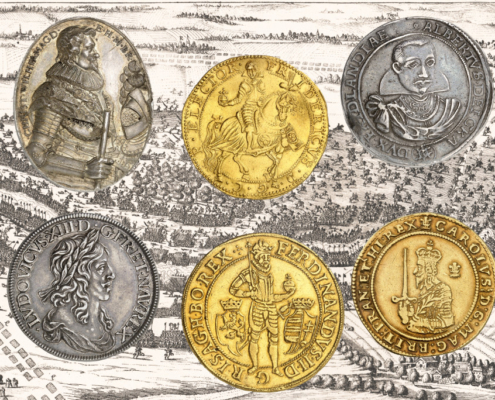
Ursula Kampmann2024-09-12 10:23:452024-09-12 10:23:45The Protagonists of the Thirty Years’ War: A Slightly Different Preview of Künker’s Auction 410
https://new.coinsweekly.com/wp-content/uploads/2024/09/2024KW37HA_00.jpg
684
860
Ursula Kampmann
https://new.coinsweekly.com/wp-content/uploads/2023/01/logo-coinsweekly_590x204.png
Ursula Kampmann2024-09-12 10:23:452024-09-12 10:23:45The Protagonists of the Thirty Years’ War: A Slightly Different Preview of Künker’s Auction 410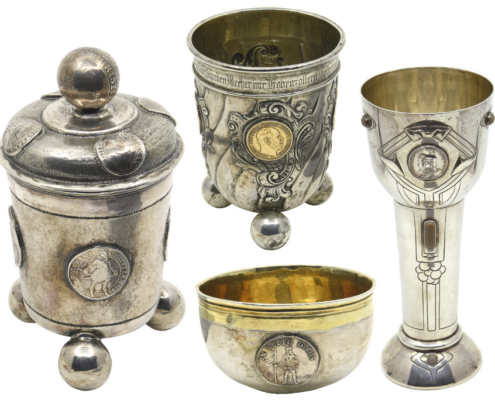 https://new.coinsweekly.com/wp-content/uploads/2025/03/2025KW11HA01_00.jpg
684
860
Lucie Loechel
https://new.coinsweekly.com/wp-content/uploads/2023/01/logo-coinsweekly_590x204.png
Lucie Loechel2025-03-13 10:11:402025-03-13 10:11:40Coin-Embedded Tableware as Part of European Dining Culture
https://new.coinsweekly.com/wp-content/uploads/2025/03/2025KW11HA01_00.jpg
684
860
Lucie Loechel
https://new.coinsweekly.com/wp-content/uploads/2023/01/logo-coinsweekly_590x204.png
Lucie Loechel2025-03-13 10:11:402025-03-13 10:11:40Coin-Embedded Tableware as Part of European Dining Culture
CIT’ Numismatic Icons – Leon
CIT is releasing the sixth issue in its successful Numismatic Icons series. It reinterprets the early tetradrachms of the Sicilian city of Leontinoi. The impressive motif of a lion’s head – ‘leon’ in Greek – has always made these coins unique.
CIT’s Mont-Saint-Michel
CIT has converted the UNESCO World Heritage Site “Mont-Saint-Michel” into numismatic masterpieces: Four coins in three metals pay tribute to the impressive island with a three-dimensional relief on a deeply concave background.