






Archive: People and Markets
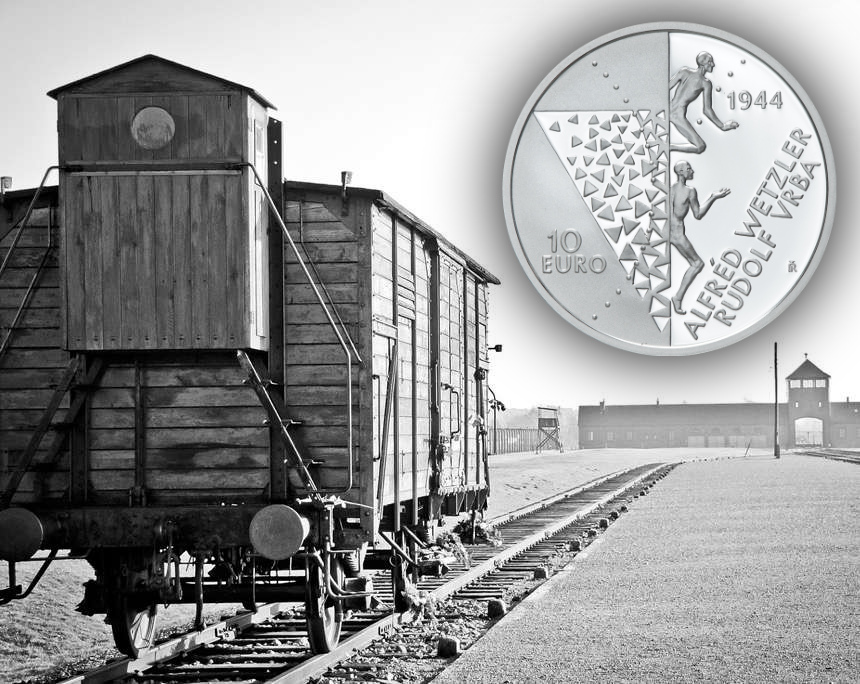
New Coin From Slovakia: 80th Anniversary of the Vrba-Wetzler Report
In the summer of 1944, the world became aware of the Holocaust thanks to two young Slovaks: Rudolf Vrba and Alfréd Wetzler. The National Bank of Slovakia honors them with €10 collector coin, produced by the Kremnica Mint. The coin represents many things – bravery, moral courage, responsibility and the power of public opinion.
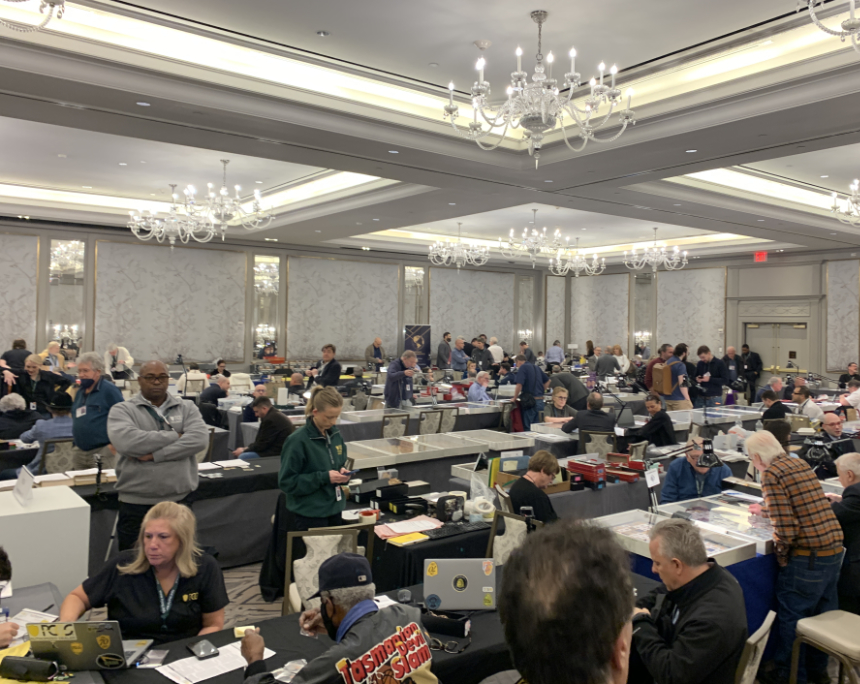
Classical Numismatics Gets Off to a Great Start to 2024 in New York
The 52nd New York International Numismatic Convention was held from 12 to 14 January at the InterContinental New York Barclay Hotel. All the “sold” signs on the dealers’ tables clearly show that classical numismatics is still in high demand.
Archive: Coins, Medals and more
 https://new.coinsweekly.com/wp-content/uploads/2024/04/00-2024KW17aHauptartikel.jpeg
684
860
Sebastian Wieschowski
https://new.coinsweekly.com/wp-content/uploads/2023/01/logo-coinsweekly_590x204.png
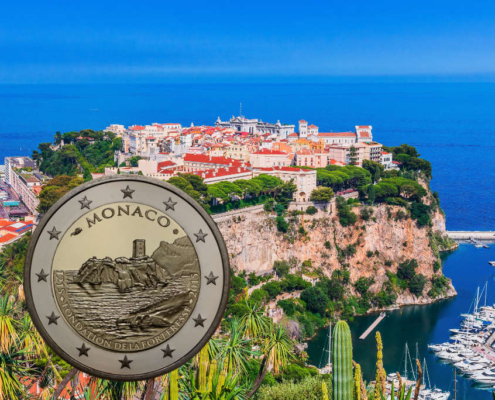
Sebastian Wieschowski2024-04-25 07:00:362024-04-25 07:52:37A Numismatic Journey Through the Principality of Monaco
https://new.coinsweekly.com/wp-content/uploads/2024/04/00-2024KW17aHauptartikel.jpeg
684
860
Sebastian Wieschowski
https://new.coinsweekly.com/wp-content/uploads/2023/01/logo-coinsweekly_590x204.png
Sebastian Wieschowski2024-04-25 07:00:362024-04-25 07:52:37A Numismatic Journey Through the Principality of Monaco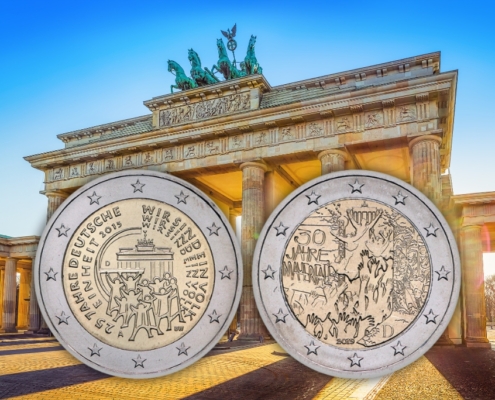 https://new.coinsweekly.com/wp-content/uploads/2024/09/2024KW39HA_00.jpg
684
860
Sebastian Wieschowski
https://new.coinsweekly.com/wp-content/uploads/2023/01/logo-coinsweekly_590x204.png
Sebastian Wieschowski2024-09-26 06:00:552024-09-26 09:25:24Unity Coin Sows Discord: More Than Just a Matter of Taste?
https://new.coinsweekly.com/wp-content/uploads/2024/09/2024KW39HA_00.jpg
684
860
Sebastian Wieschowski
https://new.coinsweekly.com/wp-content/uploads/2023/01/logo-coinsweekly_590x204.png
Sebastian Wieschowski2024-09-26 06:00:552024-09-26 09:25:24Unity Coin Sows Discord: More Than Just a Matter of Taste?
Meeting of the Oriental Numismatic Society 2024 in Tübingen
The annual international conference on Islamic numismatics will take place in Tübingen from May 4 to 5, 2024. The program tempts you to spend the first weekend in May in beautiful Tübingen!
Baldrs Horse: Detectorist Makes “Find of the Century” in Norway
On the Norwegian island of Rennesøy, a metal detectorist recently made an extraordinary gold find that was buried long before the Viking Age. The nine coin-like gold pendants engraved with rare horse symbols discovered along with ten gold beads and three gold rings are the first find of this kind in Norway since the 19th century.