








Archive: People and Markets
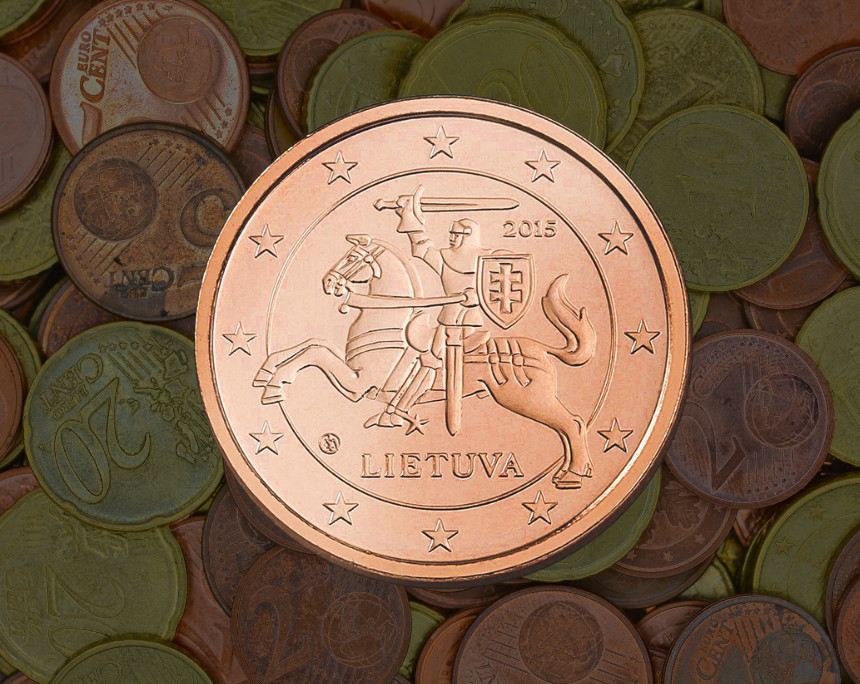
Lithuania Effectively Abolishes One- and Two-Cent Coins – and Sparks a New Debate
Farewell to small change: another eurozone country is saying goodbye to the smallest cent coins. In Germany, the debate is also gaining momentum – whereas Austria remains relaxed and is observing developments.
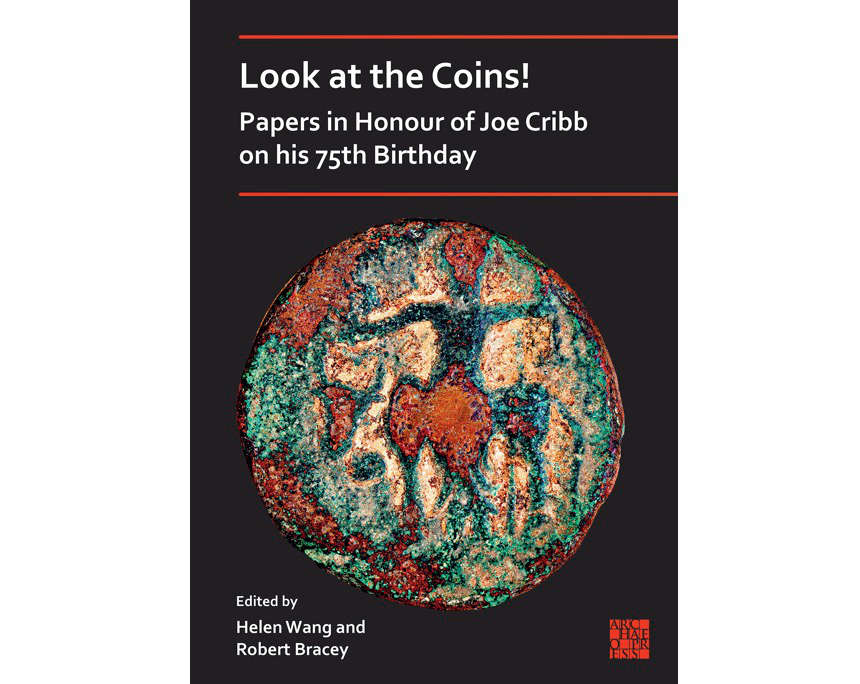
Look at the Coins! Papers in Honour of Joe Cribb on his 75th Birthday
Joe Cribb is a well-known specialist in the monetary history of Asia. On the occasion of his 75th birthday, this volume has been prepared by friends and colleagues in appreciation of his contribution to the field, and especially for his support and guidance.
Archive: Coins, Medals and more
 https://new.coinsweekly.com/wp-content/uploads/2024/07/2024KW27HA_00.jpg
684
860
Ursula Kampmann
https://new.coinsweekly.com/wp-content/uploads/2023/01/logo-coinsweekly_590x204.png
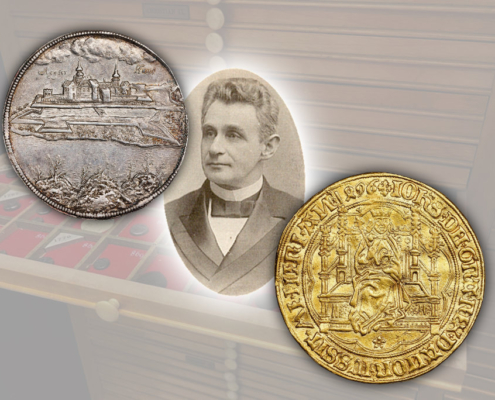
Ursula Kampmann2024-07-04 10:28:022024-07-04 15:03:20Highlights from the Bruun Collection
https://new.coinsweekly.com/wp-content/uploads/2024/07/2024KW27HA_00.jpg
684
860
Ursula Kampmann
https://new.coinsweekly.com/wp-content/uploads/2023/01/logo-coinsweekly_590x204.png
Ursula Kampmann2024-07-04 10:28:022024-07-04 15:03:20Highlights from the Bruun Collection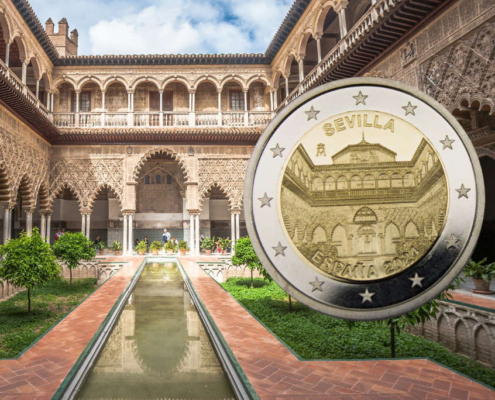 https://new.coinsweekly.com/wp-content/uploads/2024/06/2024KW26HA_00.jpg
684
860
Ursula Kampmann
https://new.coinsweekly.com/wp-content/uploads/2023/01/logo-coinsweekly_590x204.png
Ursula Kampmann2024-06-27 08:00:492024-06-27 09:39:25The Secret of the Success of State Quarters, UNESCO Coins and Federal State Series
https://new.coinsweekly.com/wp-content/uploads/2024/06/2024KW26HA_00.jpg
684
860
Ursula Kampmann
https://new.coinsweekly.com/wp-content/uploads/2023/01/logo-coinsweekly_590x204.png
Ursula Kampmann2024-06-27 08:00:492024-06-27 09:39:25The Secret of the Success of State Quarters, UNESCO Coins and Federal State Series
Is the EU Sleepwalking Into an Art Market Nightmare?
Enforcement of import licensing for cultural goods is just two years away, but many serious questions remain over what will happen. A detailed insight into a complicated matter.
Highly Rare in Circulation: 2-Euro Commemorative Coins from San Marino
San Marino’s circulation coins are rare – even in the small Republic itself. And San Marino also issued just a few 2-euro commemorative coins. A real challenge for collectors. Fortunately, numiscontrol has some tips.