







Archive: People and Markets
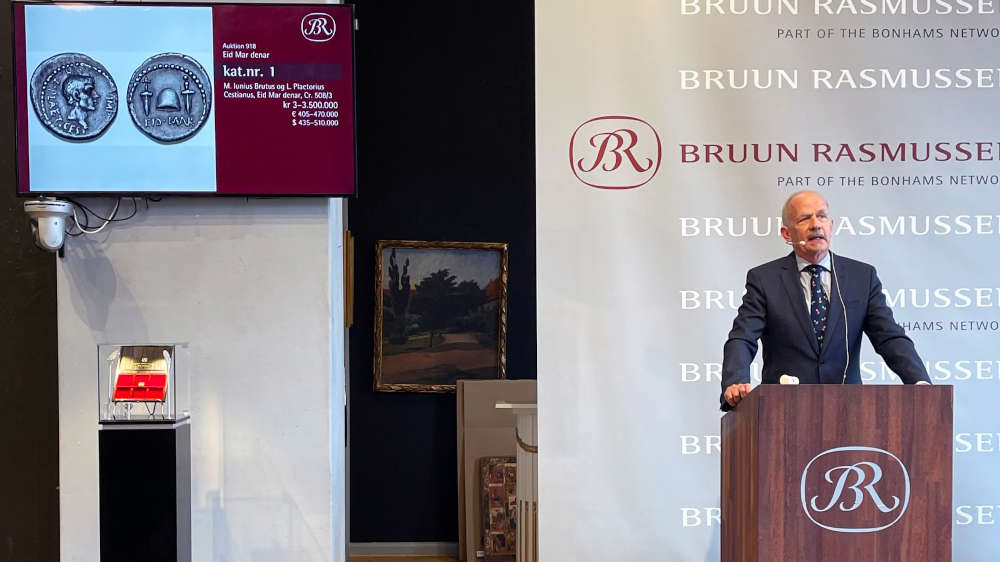
An EID MAR Denarius Set a Nordic Record
An EID MAR denarius was sold at Bruun Rasmussen establishing a record for the most expensive numismatic object ever sold at auction in the entire Nordic region according to the auction house.
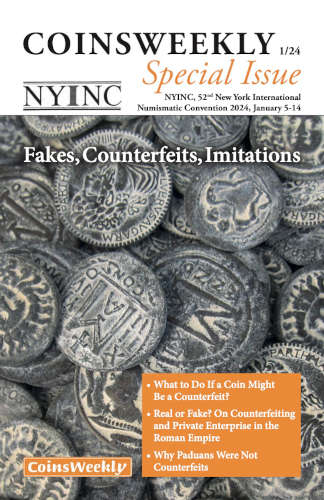
Fakes, Counterfeits, Imitations – CoinsWeekly NYINC Special Issue
It is every coin collector’s greatest fear: the precious centerpiece of a collection turns out to be a fake. But what can you do if suspicions arise? Our new CoinsWeekly Special Issue draws attention to different aspects of fakes, counterfeits and imitations.
Archive: Coins, Medals and more
 https://new.coinsweekly.com/wp-content/uploads/2024/07/2024KW28HA_00.jpg
684
860
Ursula Kampmann
https://new.coinsweekly.com/wp-content/uploads/2023/01/logo-coinsweekly_590x204.png
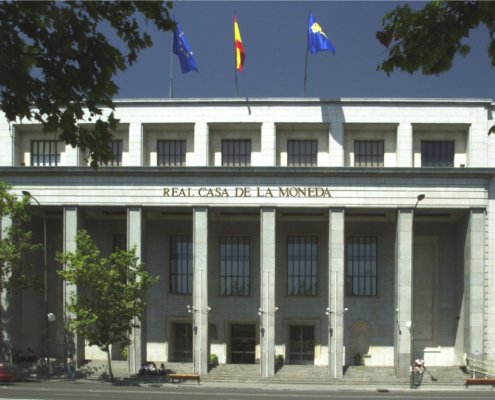
Ursula Kampmann2024-07-11 11:04:462024-07-11 11:19:29The Casa de la Moneda Museum in Madrid
https://new.coinsweekly.com/wp-content/uploads/2024/07/2024KW28HA_00.jpg
684
860
Ursula Kampmann
https://new.coinsweekly.com/wp-content/uploads/2023/01/logo-coinsweekly_590x204.png
Ursula Kampmann2024-07-11 11:04:462024-07-11 11:19:29The Casa de la Moneda Museum in Madrid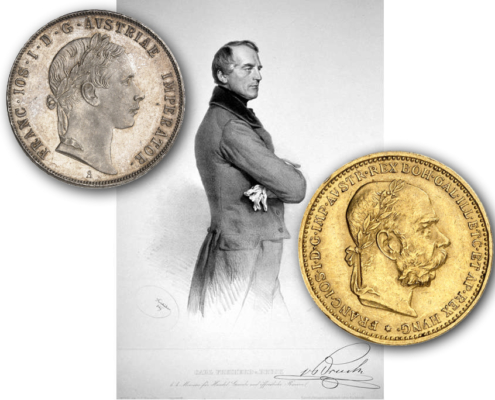 https://new.coinsweekly.com/wp-content/uploads/2024/03/2024KW12bHA_00.jpg
684
860
Ursula Kampmann
https://new.coinsweekly.com/wp-content/uploads/2023/01/logo-coinsweekly_590x204.png
Ursula Kampmann2024-03-21 08:00:102024-03-21 08:09:54A War Fought with Unusual Weapons: How Prussia Used Finance and Politics to Force the Habsburg Hereditary Lands Out of the German Confederation
https://new.coinsweekly.com/wp-content/uploads/2024/03/2024KW12bHA_00.jpg
684
860
Ursula Kampmann
https://new.coinsweekly.com/wp-content/uploads/2023/01/logo-coinsweekly_590x204.png
Ursula Kampmann2024-03-21 08:00:102024-03-21 08:09:54A War Fought with Unusual Weapons: How Prussia Used Finance and Politics to Force the Habsburg Hereditary Lands Out of the German Confederation
CoinsWeekly Special Issue for the TICC Tokyo 2025
After overwhelming interest in the last years, we have once again published a printed CoinsWeekly Special Issue for TICC 2025, which takes place in Tokyo from April 26 to 28. If you can’t make it to Tokyo, you can download the PDF here.
New Issues From Croatia: Halubje Bell Ringers to Chase Away the Winter
Croatia has a unique carnival tradition. Masked figures chase away the winter with their large bells. These bell ringers have been on the UNESCO Intangible Cultural Heritage List since 2009. The Croatian Mint dedicates three commemorative coins to them, issued on 18 February 2025.