






Archive: People and Markets
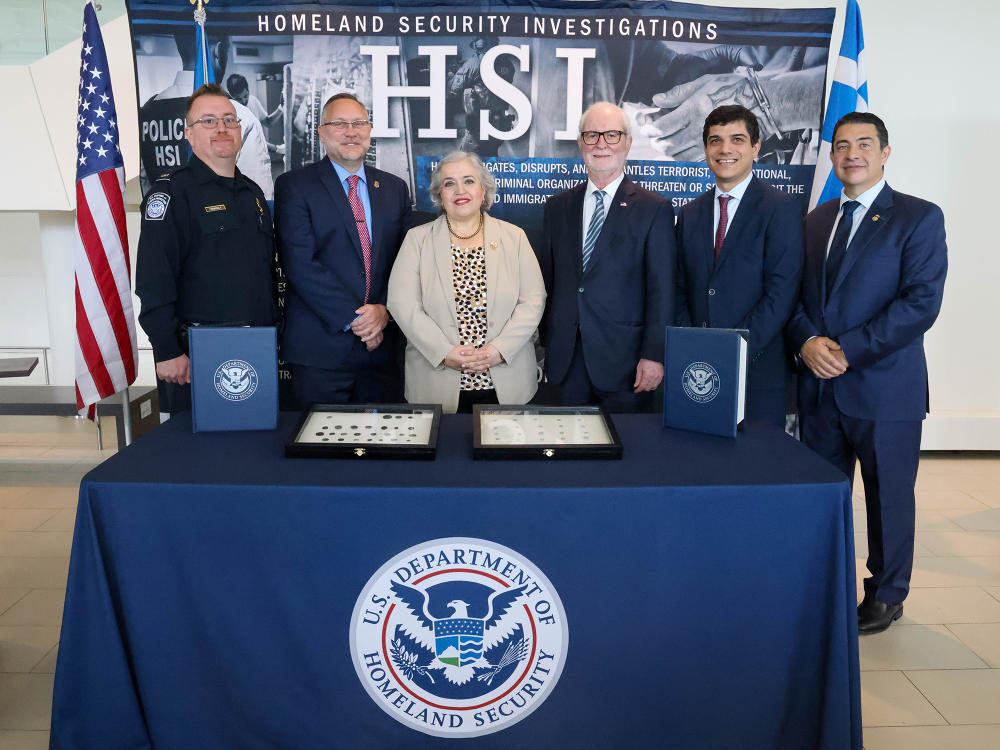
Customs Repatriation to Greece Raises Questions
U.S. Customs recently confiscated fifty-one ancient coins and repatriated them to the Greek Government. But was this act really covered by the MOU with Greece? Peter Tompa gives coin collectors some advises.
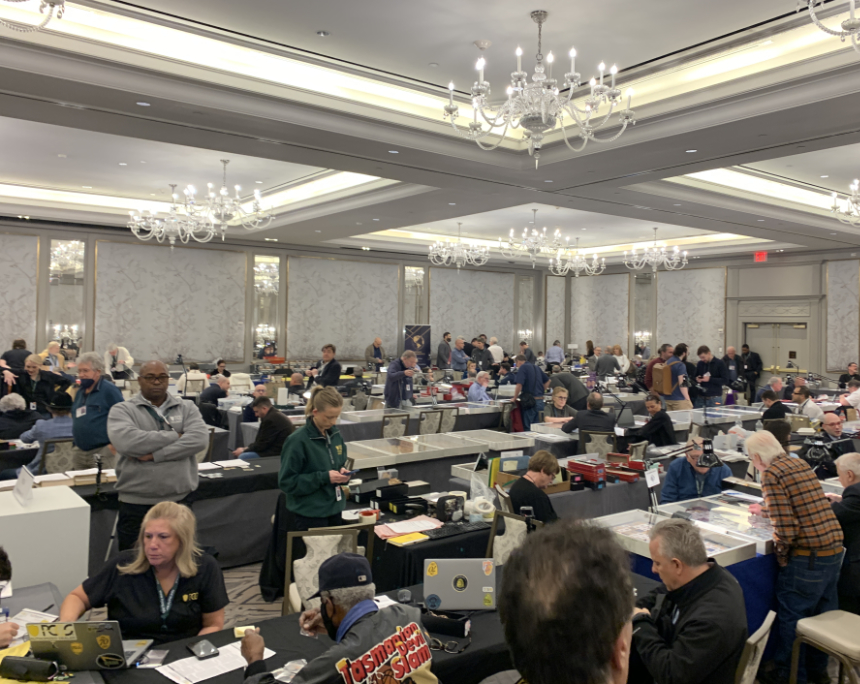
Classical Numismatics Gets Off to a Great Start to 2024 in New York
The 52nd New York International Numismatic Convention was held from 12 to 14 January at the InterContinental New York Barclay Hotel. All the “sold” signs on the dealers’ tables clearly show that classical numismatics is still in high demand.
Archive: Coins, Medals and more
 https://new.coinsweekly.com/wp-content/uploads/2025/01/2025KW02HA_00.jpg
684
860
Lucie Loechel
https://new.coinsweekly.com/wp-content/uploads/2023/01/logo-coinsweekly_590x204.png
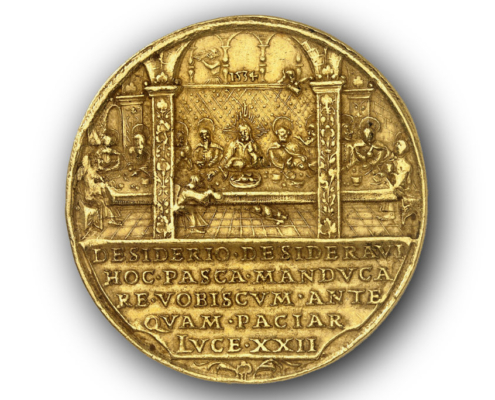
Lucie Loechel2025-01-09 10:35:332025-01-09 14:45:59Joachimsthal and the Reformation
https://new.coinsweekly.com/wp-content/uploads/2025/01/2025KW02HA_00.jpg
684
860
Lucie Loechel
https://new.coinsweekly.com/wp-content/uploads/2023/01/logo-coinsweekly_590x204.png
Lucie Loechel2025-01-09 10:35:332025-01-09 14:45:59Joachimsthal and the Reformation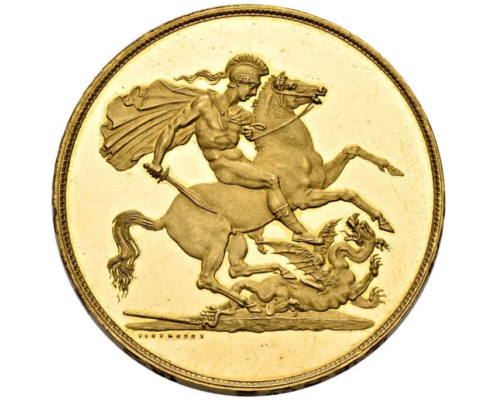 https://new.coinsweekly.com/wp-content/uploads/2023/05/00HASinconaProbe1820.jpg
684
860
Ursula Kampmann
https://new.coinsweekly.com/wp-content/uploads/2023/01/logo-coinsweekly_590x204.png
Ursula Kampmann2023-05-11 09:04:372023-05-12 13:41:02As the King Lay Dying… – The Most Spectacular British Gold Coin of the Modern Era
https://new.coinsweekly.com/wp-content/uploads/2023/05/00HASinconaProbe1820.jpg
684
860
Ursula Kampmann
https://new.coinsweekly.com/wp-content/uploads/2023/01/logo-coinsweekly_590x204.png
Ursula Kampmann2023-05-11 09:04:372023-05-12 13:41:02As the King Lay Dying… – The Most Spectacular British Gold Coin of the Modern Era
National Museum of Denmark Acquires Seven Coins of the Bruun Collection
The National Museum of Denmark used its right of first refusal to buy extremely rare coins from Lars Emil Bruun’s collection before they are to be sold at auction. Here you can see the seven extraordinary pieces!
200 Years of the Bohemian Savings Bank: A Piece of Monetary History in Coin Form
In 2025, the Czech National Bank will issue a silver commemorative coin with a nominal value of 200 koruna. The coin marks the founding of the Bohemian Savings Bank.