








Archive: People and Markets
Bulgaria and the Euro: the Current Situation
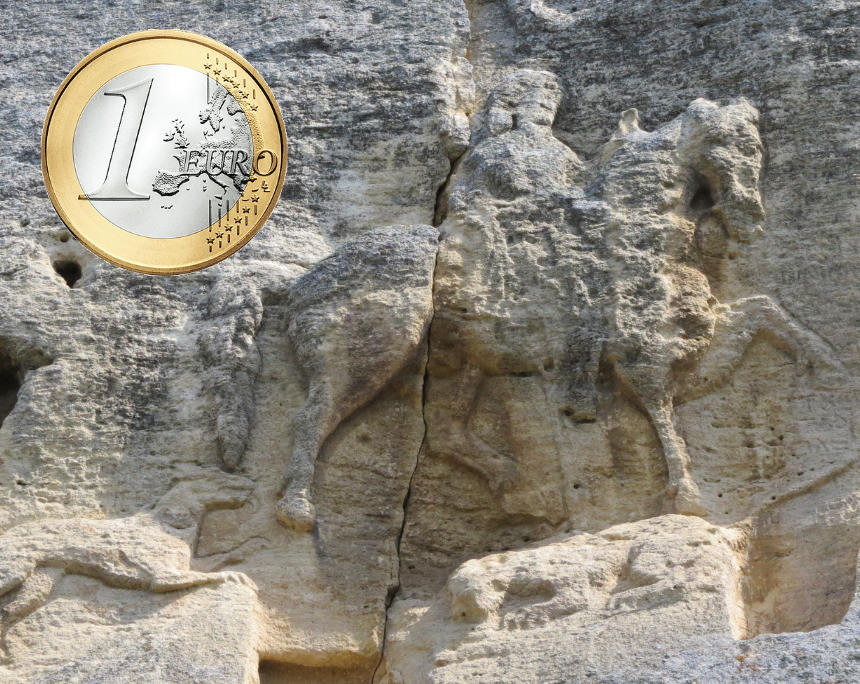
The plan was for Bulgaria to become a member of the eurozone by January 2024. However, this timeline will not be met. Find out more about the state of negotiations and the motifs that will be depicted on future Bulgarian euro coins.

The Numismatic World Meets in Madrid: The Second Evento Numismático International
The second Evento Numismático Internacional will take place in Madrid at the end of June. This unique combination of coin fair and conference already attracted numerous visitors from around the world at its premiere last year. This time, Ursula Kampmann will lead an international session dedicated to change in the numismatic world.
Archive: Coins, Medals and more
 https://new.coinsweekly.com/wp-content/uploads/2024/11/2024KW45HA1_00.jpg
684
860
Bruno
https://new.coinsweekly.com/wp-content/uploads/2023/01/logo-coinsweekly_590x204.png
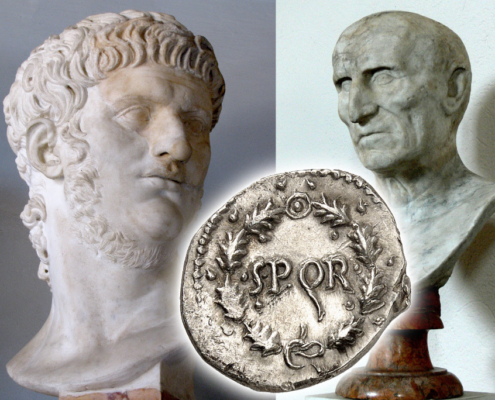
Bruno2024-11-07 08:49:152024-11-08 14:14:32The Roman Civil War of 68/9: The Prelude to the Year of the Four Emperors
https://new.coinsweekly.com/wp-content/uploads/2024/11/2024KW45HA1_00.jpg
684
860
Bruno
https://new.coinsweekly.com/wp-content/uploads/2023/01/logo-coinsweekly_590x204.png
Bruno2024-11-07 08:49:152024-11-08 14:14:32The Roman Civil War of 68/9: The Prelude to the Year of the Four Emperors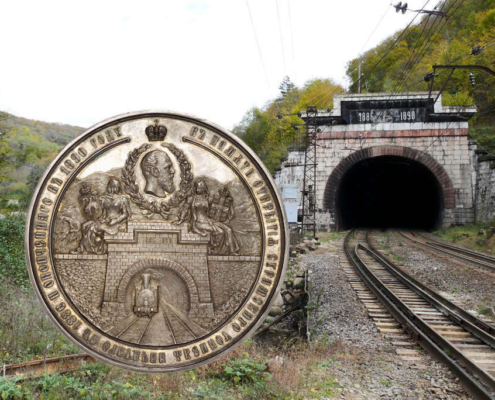 https://new.coinsweekly.com/wp-content/uploads/2024/06/2024KW23HA_00.jpg
684
860
Ursula Kampmann
https://new.coinsweekly.com/wp-content/uploads/2023/01/logo-coinsweekly_590x204.png
Ursula Kampmann2024-06-06 10:42:582024-06-06 12:38:59For Railroad Fans: The Suram Tunnel
https://new.coinsweekly.com/wp-content/uploads/2024/06/2024KW23HA_00.jpg
684
860
Ursula Kampmann
https://new.coinsweekly.com/wp-content/uploads/2023/01/logo-coinsweekly_590x204.png
Ursula Kampmann2024-06-06 10:42:582024-06-06 12:38:59For Railroad Fans: The Suram Tunnel
Reischauer Becomes Part of the Heimerle + Meule Group
With the acquisition of Reischauer GmbH, the Heimerle + Meule Group is expanding its already strong position in the European precious metals market. In the previous year, Heimerle + Meule was already able to substantially enlarge its expertise in precious metal coins and medals by acquiring a majority stake in the Commonwealth Mint.
The FBI Warns: Fraudsters Have Their Sights Set on Coin Collectors
The FBI has published a new warning that scammers are trying to trick older people in particular out of their coins. Find out which scams are common and how you can protect yourself against them.