






Archive: People and Markets

Poetic Machines: Swissmint Honors Jean Tinguely
Steel, wheels, movement, order and chaos – Swiss artist Jean Tinguely was fascinated by the poetry of machines, which he captured in his kinetic machine sculptures. To mark what would have been his 100th birthday, Swissmint is honoring the exceptional artist with a silver coin.
Evento Numismático Internacional
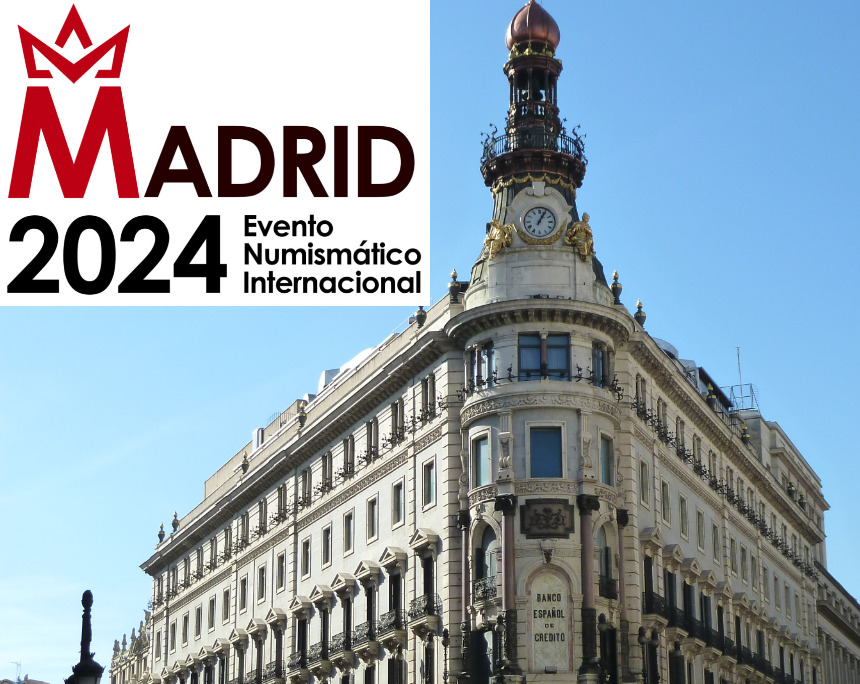
There is a new coin show aimed at the Spanish-speaking world: from 26 to 29 June 2024, the first Evento Numismático Internacional will take place at the prestigious Four Seasons Hotel in Madrid, and will include a coin show, numerous presentations and an extensive cultural programme.
Archive: Coins, Medals and more
 https://new.coinsweekly.com/wp-content/uploads/2023/06/CoCo05_15.jpg
534
1000
Ursula Kampmann
https://new.coinsweekly.com/wp-content/uploads/2023/01/logo-coinsweekly_590x204.png
Ursula Kampmann2022-06-13 09:54:432023-06-27 10:33:10The French Marianne I: Marianne as a Representative of the French People – Part 2
https://new.coinsweekly.com/wp-content/uploads/2023/06/CoCo05_15.jpg
534
1000
Ursula Kampmann
https://new.coinsweekly.com/wp-content/uploads/2023/01/logo-coinsweekly_590x204.png
Ursula Kampmann2022-06-13 09:54:432023-06-27 10:33:10The French Marianne I: Marianne as a Representative of the French People – Part 2 https://new.coinsweekly.com/wp-content/uploads/2023/11/2023KW46HA_00.jpg
684
860
Ursula Kampmann
https://new.coinsweekly.com/wp-content/uploads/2023/01/logo-coinsweekly_590x204.png
Ursula Kampmann2023-11-16 09:14:582023-11-16 09:23:58The First Error Coins from Croatia
https://new.coinsweekly.com/wp-content/uploads/2023/11/2023KW46HA_00.jpg
684
860
Ursula Kampmann
https://new.coinsweekly.com/wp-content/uploads/2023/01/logo-coinsweekly_590x204.png
Ursula Kampmann2023-11-16 09:14:582023-11-16 09:23:58The First Error Coins from Croatia
Foreign Coin Production Ends at the Royal Mint – The End of an Era or Another Step Closer to a Cashless Economy?
The Royal Mint has announced that it will no longer produce coins for other countries, ending a business model that it has operated for 700 years. Michael Alexander puts this development into perspective.
An Active Industry Comes Together at The Coin Conference 2024
The Coin Conference 2024 took place in Lisbon on 28-30 October. Portugal’s capital with its combination of the historic and modern was the perfect location for an event focused on the future of circulating coinage and its challenges. A review by Coin & Mint News.