






Archive: People and Markets
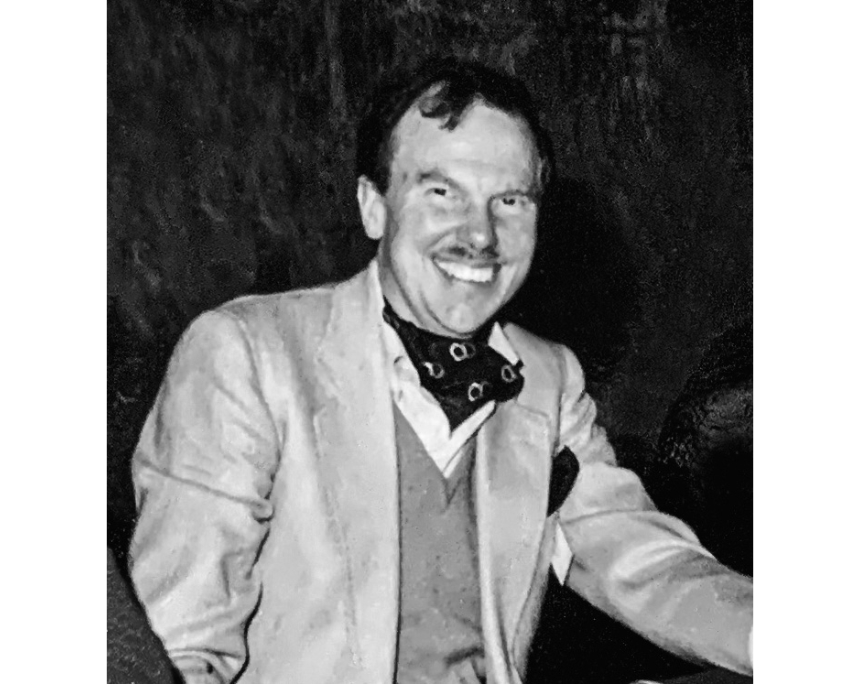
Bernt Ahlström (1936-2019)
You will hardly find a dealer in the numismatic world who is completely unfamiliar with the name Bernt Ahlstrom. On the occasion of the sale of his numismatic library at Gut-Lynt, Arne Kirsch recounts the eventful life of the coin dealer and bon vivant.
Numisstaxx: The Launch of a New Innovative Platform
The new platform Numisstaxx aims to allow its users to easily digitalize and share coins and create certificates of authenticity in a forgery-proof environment.
Archive: Coins, Medals and more
 https://new.coinsweekly.com/wp-content/uploads/2024/11/2024KW45HA1_00.jpg
684
860
Bruno
https://new.coinsweekly.com/wp-content/uploads/2023/01/logo-coinsweekly_590x204.png
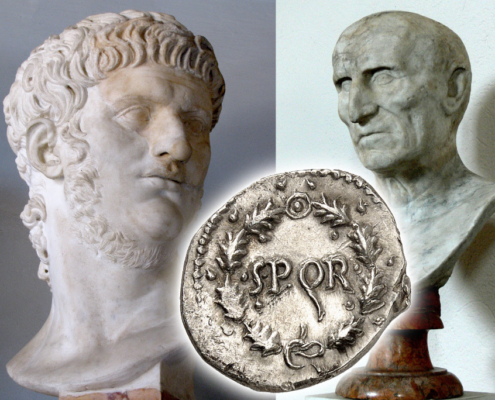
Bruno2024-11-07 08:49:152024-11-08 14:14:32The Roman Civil War of 68/9: The Prelude to the Year of the Four Emperors
https://new.coinsweekly.com/wp-content/uploads/2024/11/2024KW45HA1_00.jpg
684
860
Bruno
https://new.coinsweekly.com/wp-content/uploads/2023/01/logo-coinsweekly_590x204.png
Bruno2024-11-07 08:49:152024-11-08 14:14:32The Roman Civil War of 68/9: The Prelude to the Year of the Four Emperors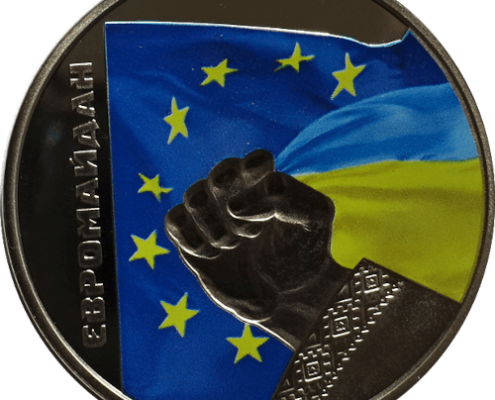 https://new.coinsweekly.com/wp-content/uploads/2023/06/00_DSC04222.png
506
500
Bruno
https://new.coinsweekly.com/wp-content/uploads/2023/01/logo-coinsweekly_590x204.png
Bruno2022-06-13 12:00:452023-07-03 12:18:15The National Identity of Modern Ukraine on its Commemorative Coins
https://new.coinsweekly.com/wp-content/uploads/2023/06/00_DSC04222.png
506
500
Bruno
https://new.coinsweekly.com/wp-content/uploads/2023/01/logo-coinsweekly_590x204.png
Bruno2022-06-13 12:00:452023-07-03 12:18:15The National Identity of Modern Ukraine on its Commemorative Coins
German Museums Continue to be Hit by Wave of Burglaries
With no end in sight, German museums are still regularly targeted by burglars. Often, the general public is unaware of the break-ins as the cases only make headlines in local newspapers. What can museums do to deal with these crimes? We present two cases from autumn 2023.
A Celebration of Spanish Numismatics
On 28 and 29 June 2024, the first Evento Numismático Internacional was held in Madrid. Dealers and collectors had high expectations – and the event exceeded them. The atmosphere in Madrid was one of exceptional excitement.