









Archive: People and Markets
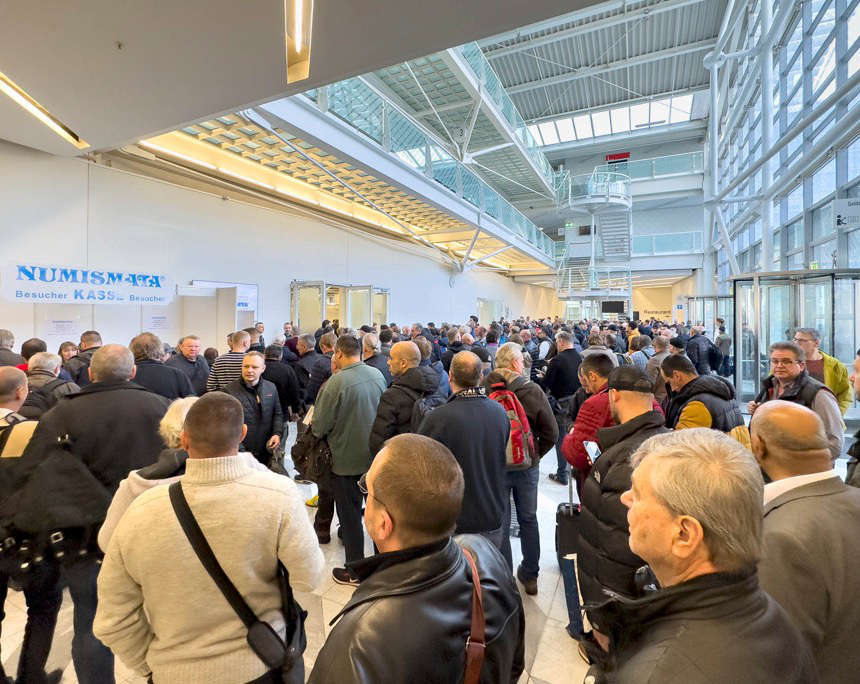
Numismata: The Coin Show with a Special Flair
From 2 to 3 March 2024, the internationally renowned Numismata will be held in Munich. Angela Modes invites collectors and coin dealers from all over the world to experience the wide range of offers at the show.
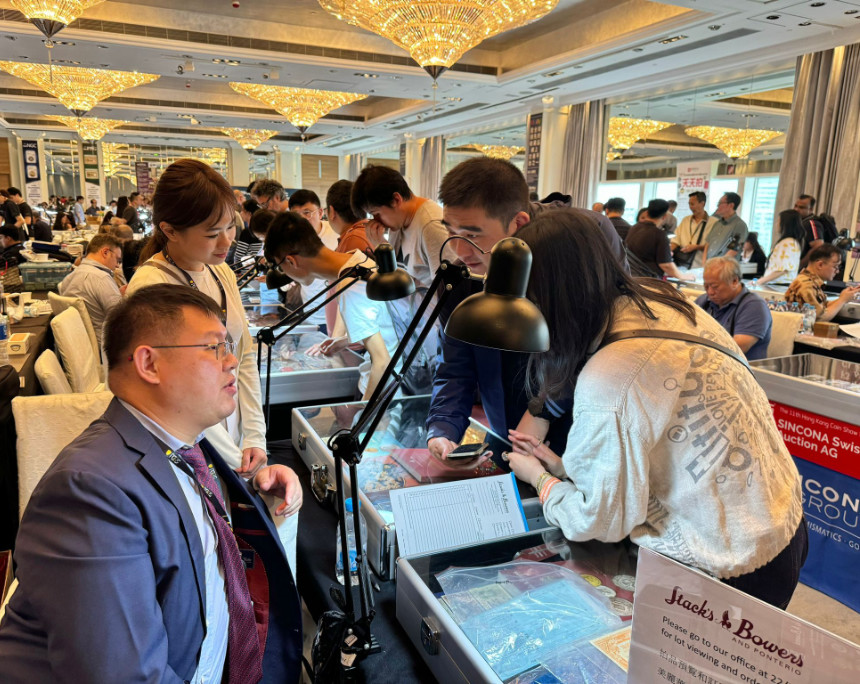
The 12th Hong Kong Coin Show (HKCS)
The 12th Hong Kong Coin Show (HKCS) will take place from Friday, 4th April to Sunday, 6th April. You can expect exhibitors from over 50 countries, auctions, educational seminars, exhibitions, on-site coin grading services and much more – in short: a festival of numismatics!
Archive: Coins, Medals and more
 https://new.coinsweekly.com/wp-content/uploads/2024/04/2024KW16HA_00.jpg
684
860
Ursula Kampmann
https://new.coinsweekly.com/wp-content/uploads/2023/01/logo-coinsweekly_590x204.png
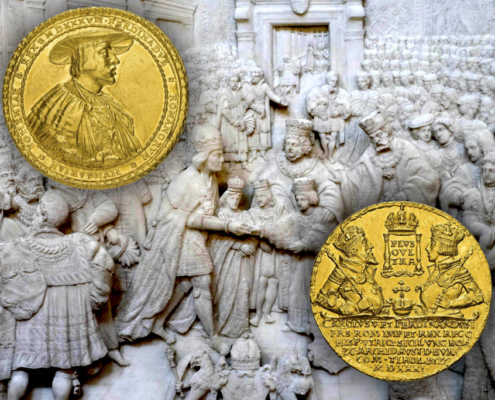
Ursula Kampmann2024-04-18 10:26:522024-04-18 10:26:52The Turks, the Bohemian Estates and Two Gnadenpfennigs by Ferdinand I
https://new.coinsweekly.com/wp-content/uploads/2024/04/2024KW16HA_00.jpg
684
860
Ursula Kampmann
https://new.coinsweekly.com/wp-content/uploads/2023/01/logo-coinsweekly_590x204.png
Ursula Kampmann2024-04-18 10:26:522024-04-18 10:26:52The Turks, the Bohemian Estates and Two Gnadenpfennigs by Ferdinand I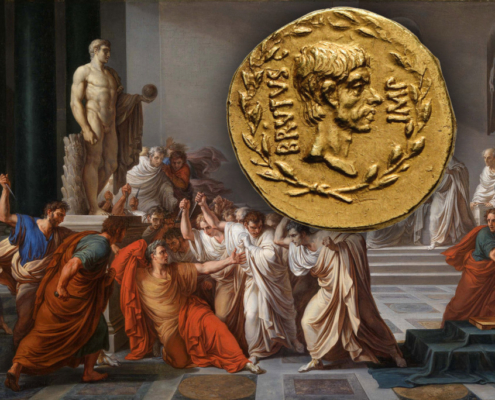 https://new.coinsweekly.com/wp-content/uploads/2024/11/2024KW46HA1_00.jpg
684
860
Lucie Loechel
https://new.coinsweekly.com/wp-content/uploads/2023/01/logo-coinsweekly_590x204.png
Lucie Loechel2024-11-14 10:03:272024-11-14 10:11:12The Eve of the Battle of Philippi: An Aureus Featuring the Portrait of Brutus
https://new.coinsweekly.com/wp-content/uploads/2024/11/2024KW46HA1_00.jpg
684
860
Lucie Loechel
https://new.coinsweekly.com/wp-content/uploads/2023/01/logo-coinsweekly_590x204.png
Lucie Loechel2024-11-14 10:03:272024-11-14 10:11:12The Eve of the Battle of Philippi: An Aureus Featuring the Portrait of Brutus
In Love With Japan
This year, Andrea Pancheri attended the Tokyo International Coin Convention for the first time on our behalf – and was absolutely thrilled by both the country and the event! Find out why here.
Legal Head of Italian Culture Ministry: “Fiendishly Extensive” Proofs Bar Imports
A significant statement on the importation of numismatic goods was issued in June 2023 by the legal department of the Italian Ministry of Culture. Read an analysis by Valentina Tarquini for Cultural Property News here.