







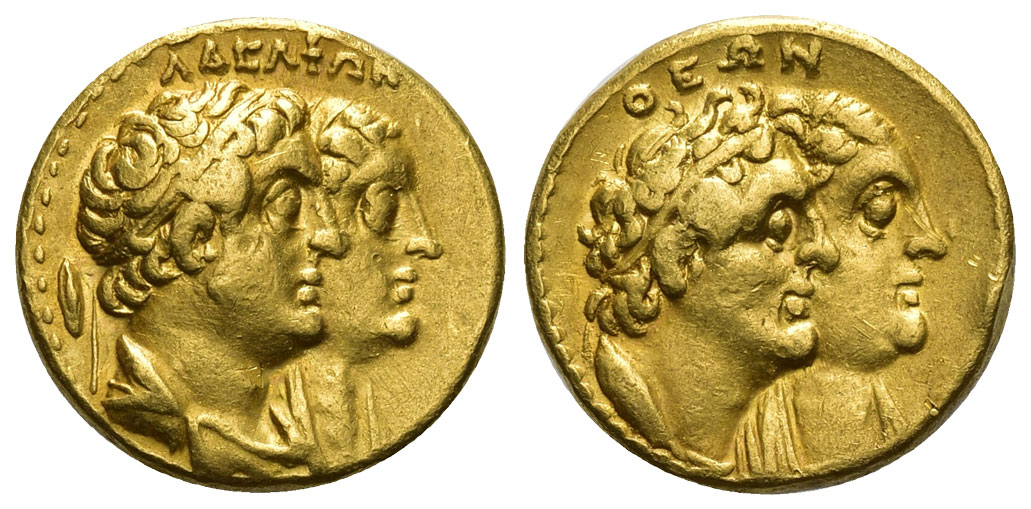
AV Tetradrachm (282–272 BC),
King Ptolemy II and Queen Arsinoe II.
From the major collection of Alexandria mint.
Condition: vf+
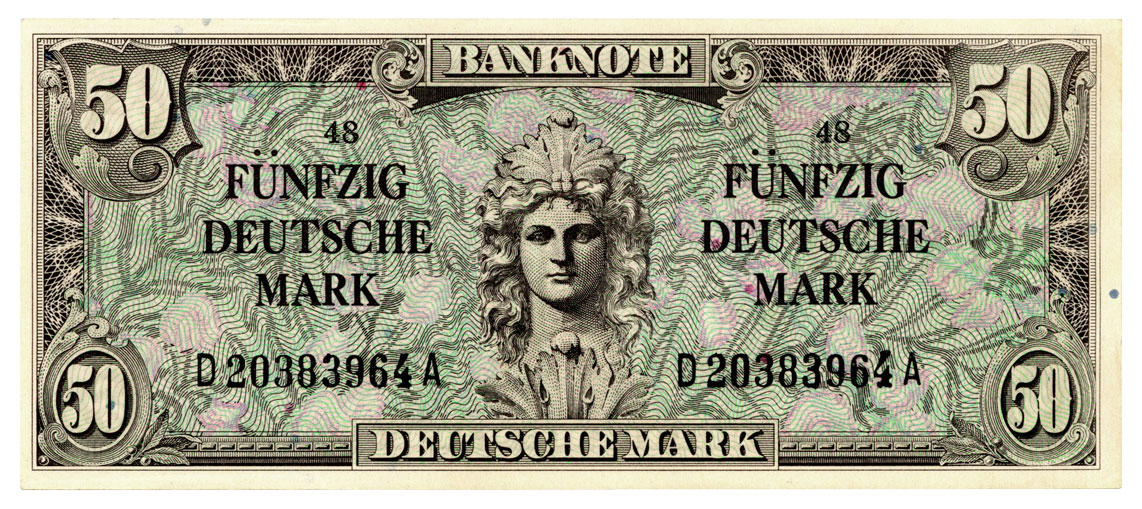
50 Deutsche Mark o.D. ( 1948-1949) "Liberty".
Condition: extremly rare, I
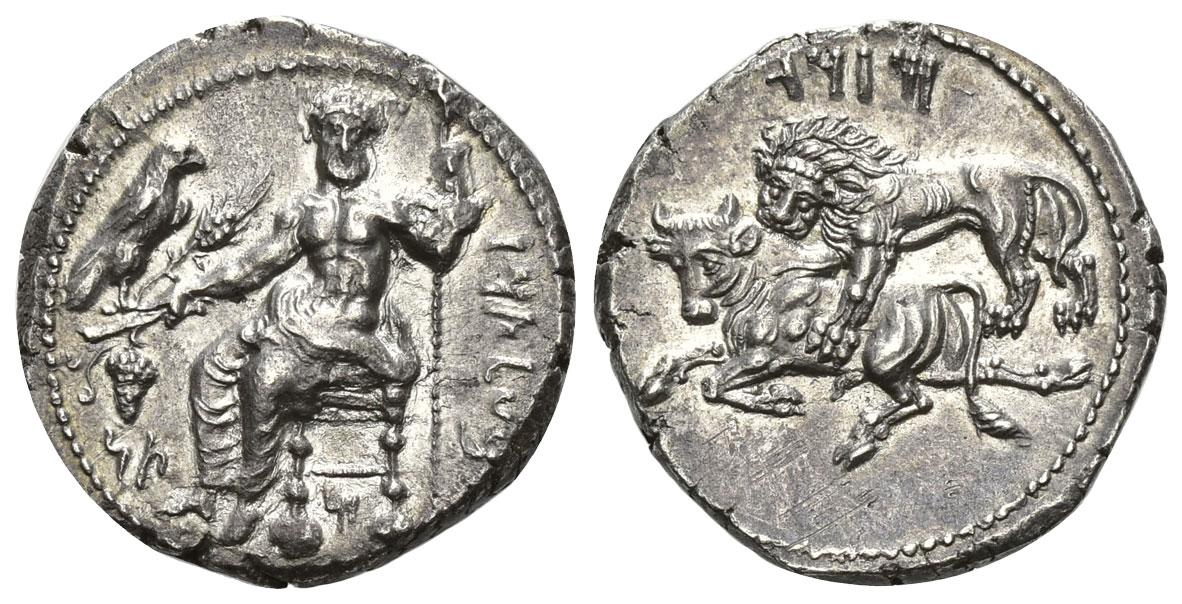
AR Stater (361-334 BC).
Obv. Baal of Tarsos.
Conditon: ef
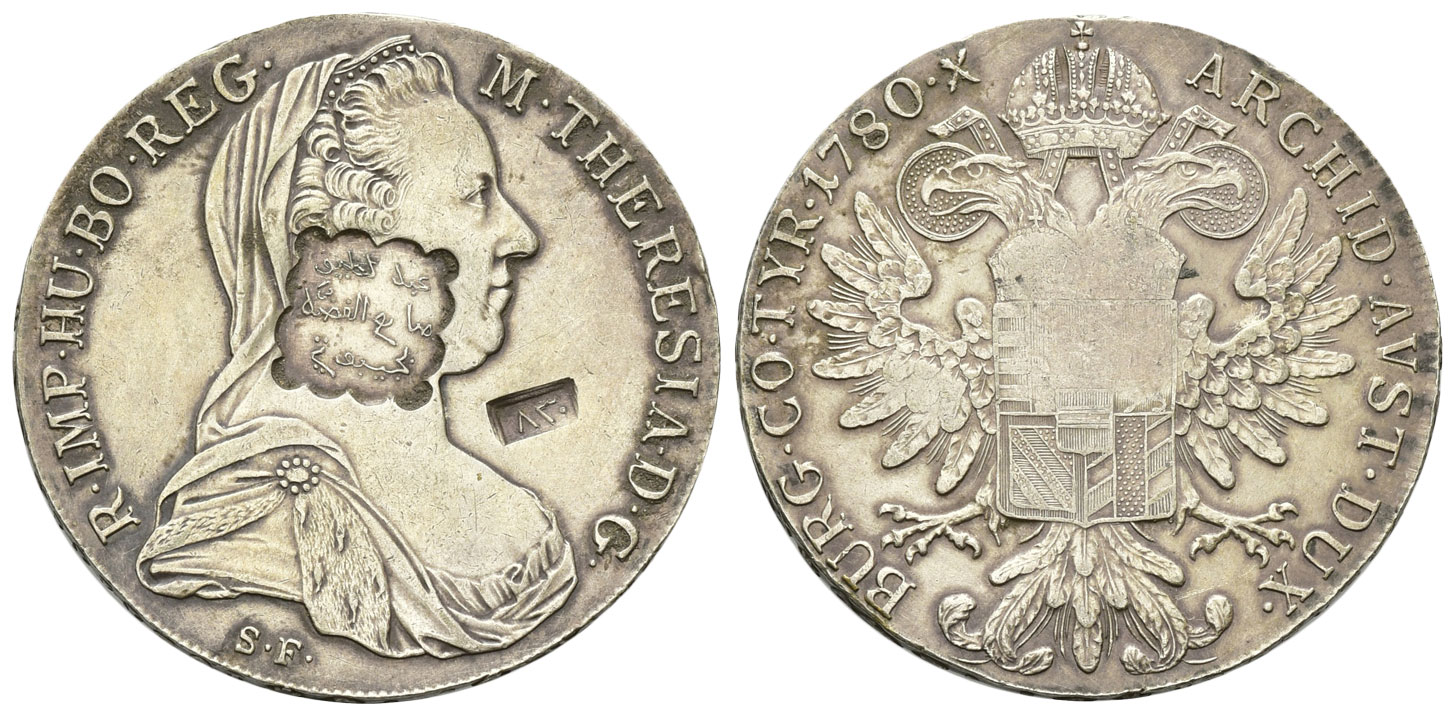
Taler 1780 SF
with counter stamp Djibouti (1870-1900).
Condition: vf
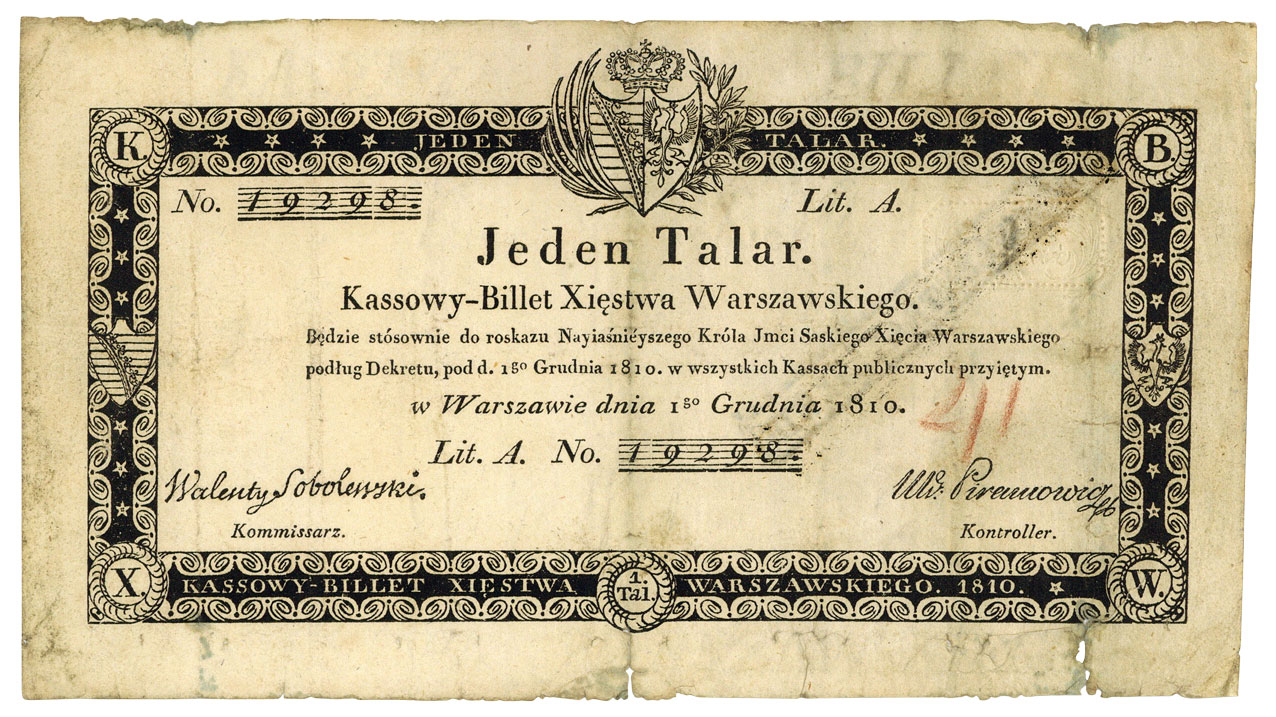
1 Talar 1. December 1810.
Condition: III-IV
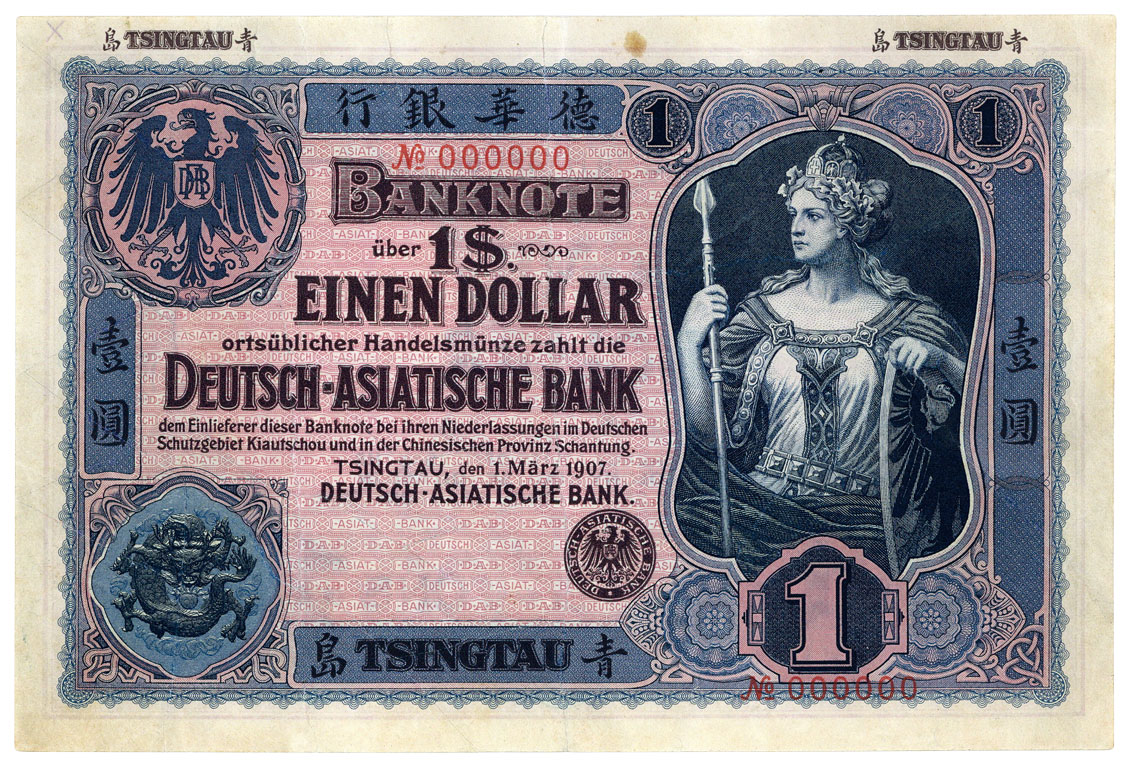
1 Dollar 1.3.1907, Tsingtao.
Condition: very rare, restored
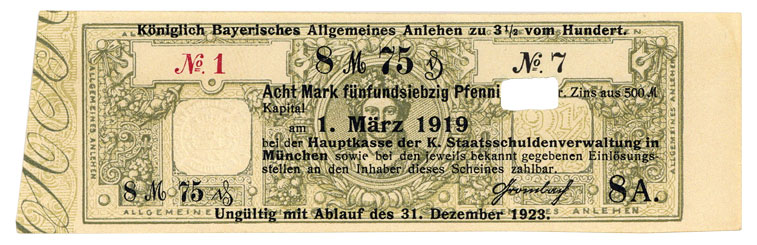
Royal Bavarian General Loan.
8.75 Marks, March 1, 1919.
Condition: rare, I
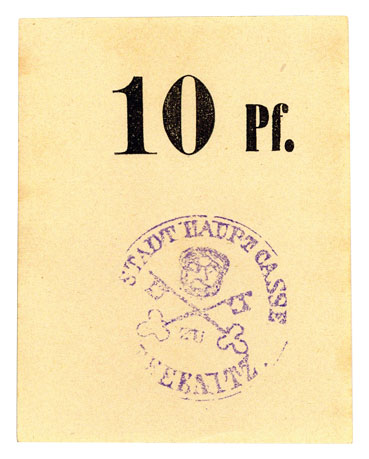
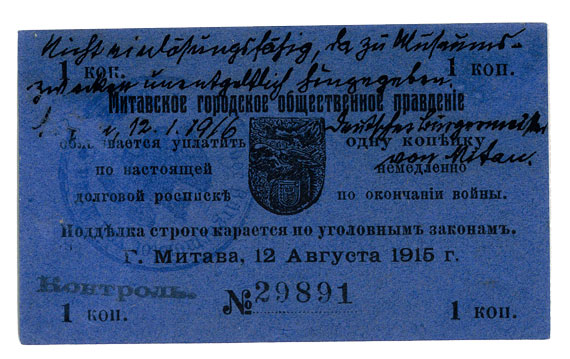
Archive: People and Markets

Customs Repatriation to Greece Raises Questions
U.S. Customs recently confiscated fifty-one ancient coins and repatriated them to the Greek Government. But was this act really covered by the MOU with Greece? Peter Tompa gives coin collectors some advises.

How AI Is Transforming Numismatics
Can entire numismatic reference books be written by artificial intelligence? Are ChatGPT and similar technologies becoming competitors for news portals, specialist publishers, and PR agencies? What can AI truly achieve? We put it to the test.
Archive: Coins, Medals and more
 https://new.coinsweekly.com/wp-content/uploads/2023/06/00ab.jpg
486
1000
Bruno
https://new.coinsweekly.com/wp-content/uploads/2023/01/logo-coinsweekly_590x204.png
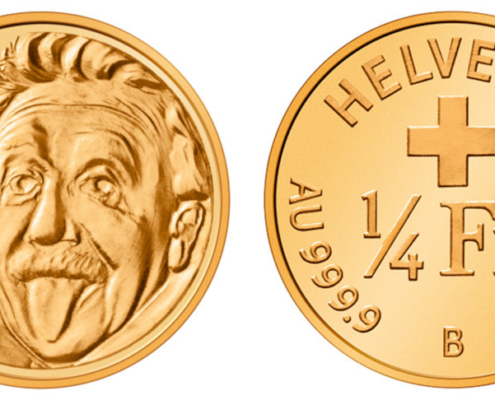
Bruno2022-06-13 13:27:592023-06-29 11:34:06Swissmint, a Mint of Records
https://new.coinsweekly.com/wp-content/uploads/2023/06/00ab.jpg
486
1000
Bruno
https://new.coinsweekly.com/wp-content/uploads/2023/01/logo-coinsweekly_590x204.png
Bruno2022-06-13 13:27:592023-06-29 11:34:06Swissmint, a Mint of Records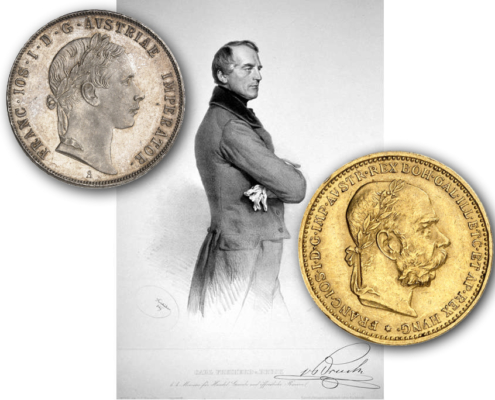 https://new.coinsweekly.com/wp-content/uploads/2024/03/2024KW12bHA_00.jpg
684
860
Ursula Kampmann
https://new.coinsweekly.com/wp-content/uploads/2023/01/logo-coinsweekly_590x204.png
Ursula Kampmann2024-03-21 08:00:102024-03-21 08:09:54A War Fought with Unusual Weapons: How Prussia Used Finance and Politics to Force the Habsburg Hereditary Lands Out of the German Confederation
https://new.coinsweekly.com/wp-content/uploads/2024/03/2024KW12bHA_00.jpg
684
860
Ursula Kampmann
https://new.coinsweekly.com/wp-content/uploads/2023/01/logo-coinsweekly_590x204.png
Ursula Kampmann2024-03-21 08:00:102024-03-21 08:09:54A War Fought with Unusual Weapons: How Prussia Used Finance and Politics to Force the Habsburg Hereditary Lands Out of the German Confederation
Fiasco – A Cautionary Tale of What’s to Come Once the New EU Import Regulation Comes Into Force
If you want to get an idea of how enforcement might work under the European Union’s new import licensing regulation after June 28, 2025, here is a cautionary tale, shared by Ivan Macquisten.
2-Euro Ticker: New 2-Euro Coins in August 2024
The 2-euro world is in a summer slump: only two new coins will be released in August, but there is good news for price-conscious collectors – interesting details were released about the issues of the coming months.