







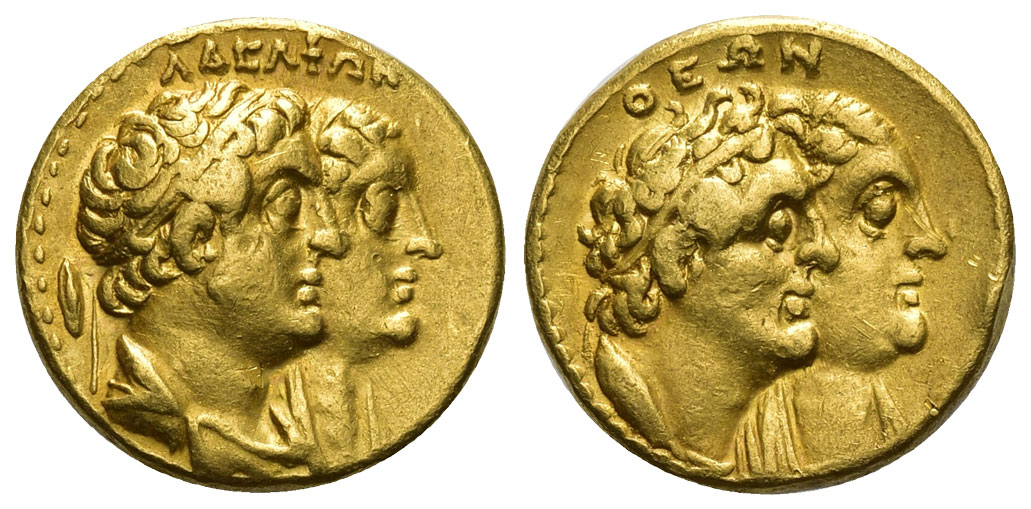
AV Tetradrachm (282–272 BC),
King Ptolemy II and Queen Arsinoe II.
From the major collection of Alexandria mint.
Condition: vf+
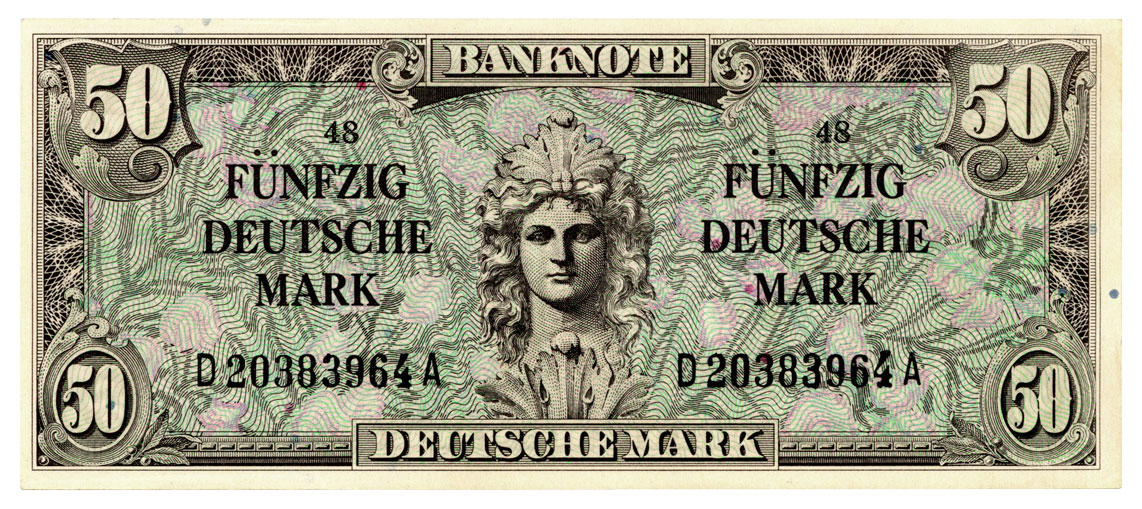
50 Deutsche Mark o.D. ( 1948-1949) "Liberty".
Condition: extremly rare, I
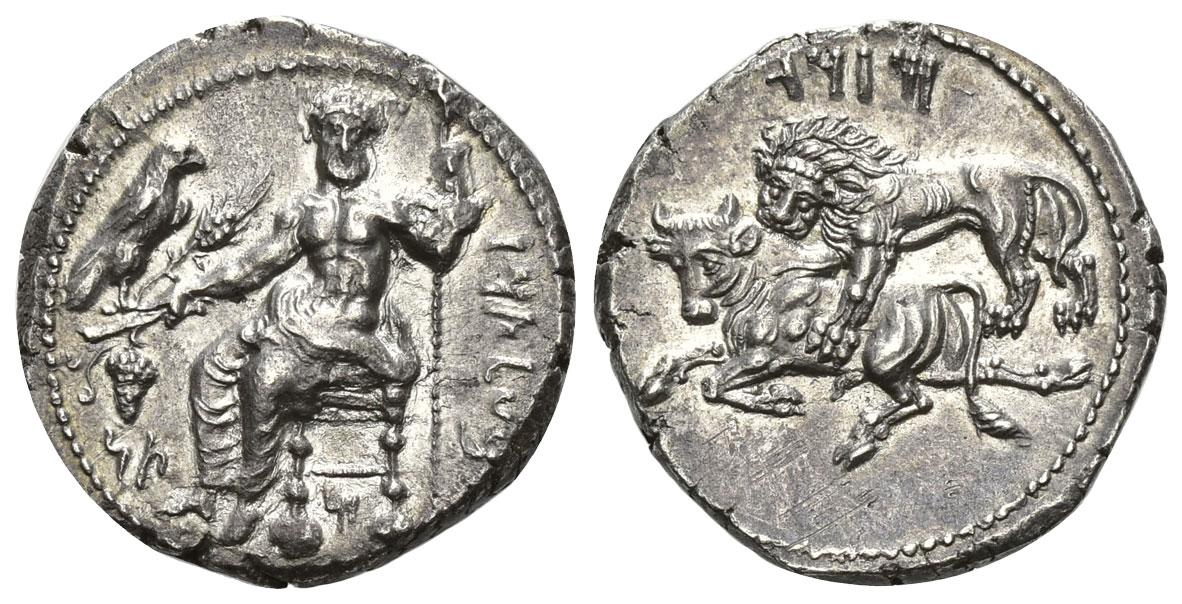
AR Stater (361-334 BC).
Obv. Baal of Tarsos.
Conditon: ef
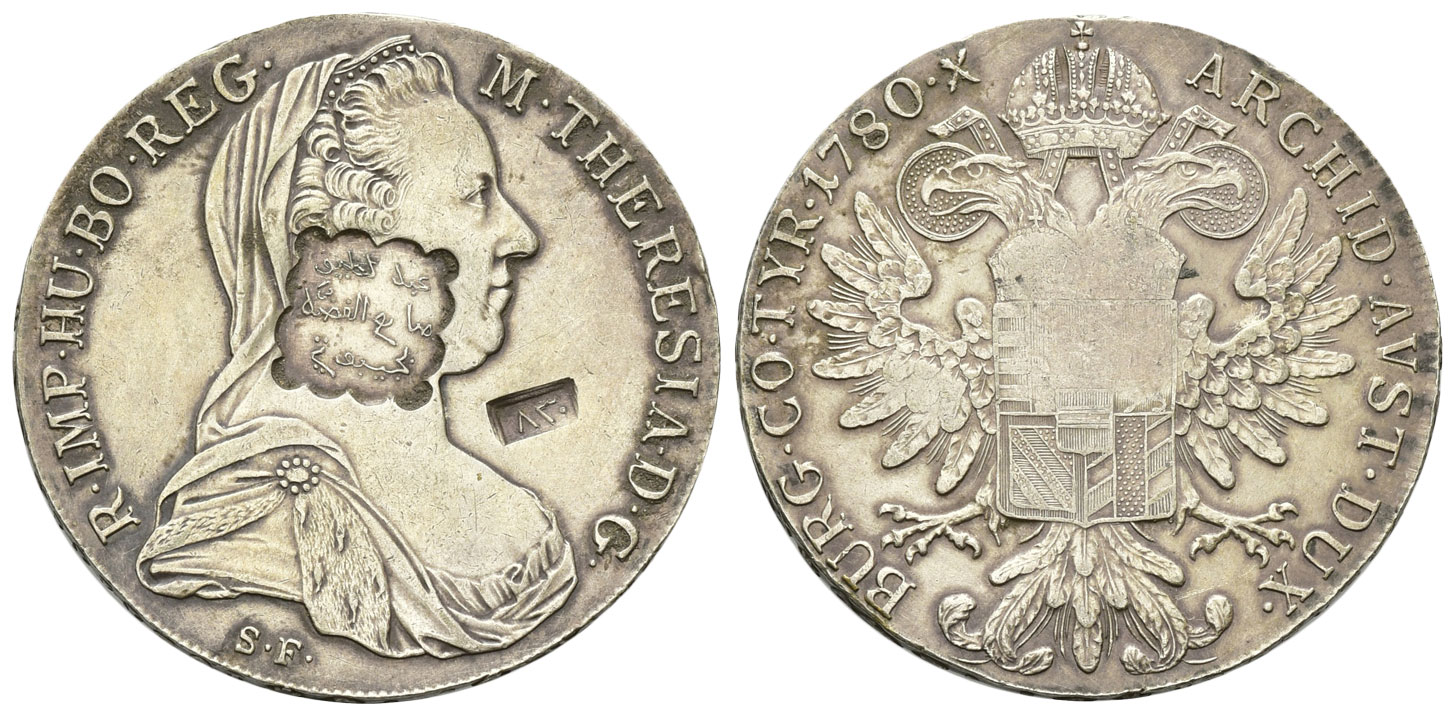
Taler 1780 SF
with counter stamp Djibouti (1870-1900).
Condition: vf
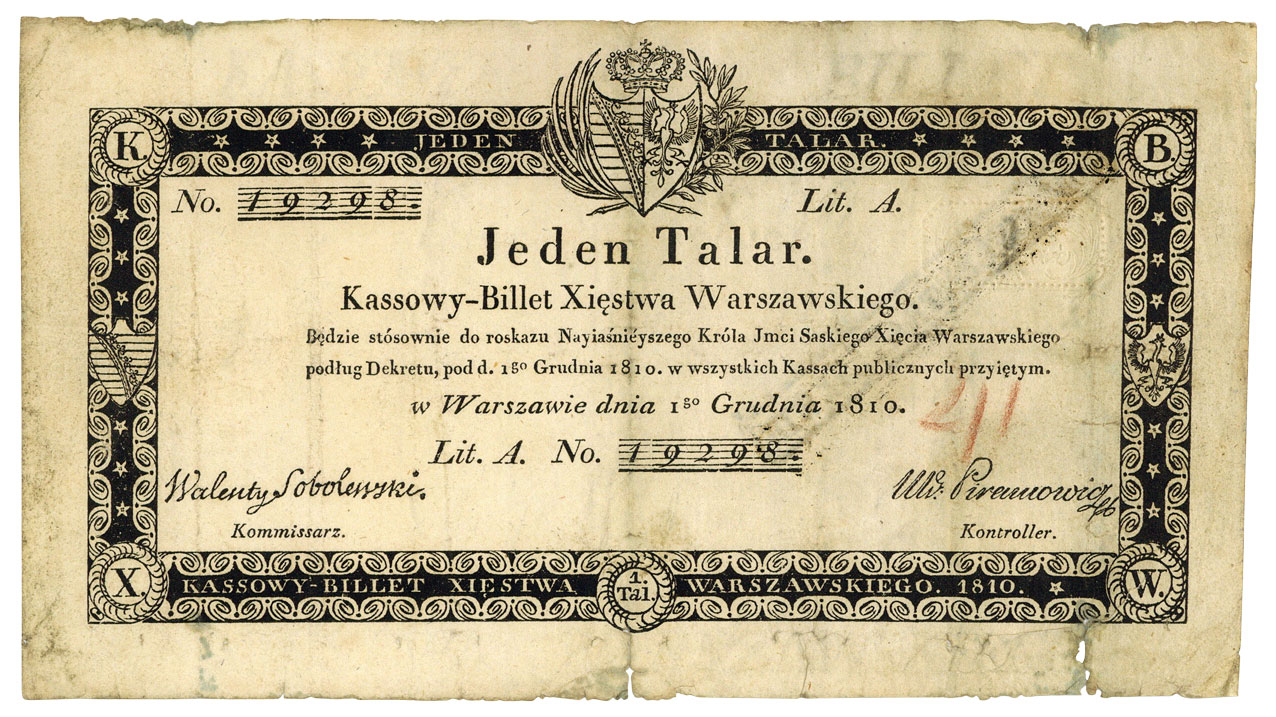
1 Talar 1. December 1810.
Condition: III-IV
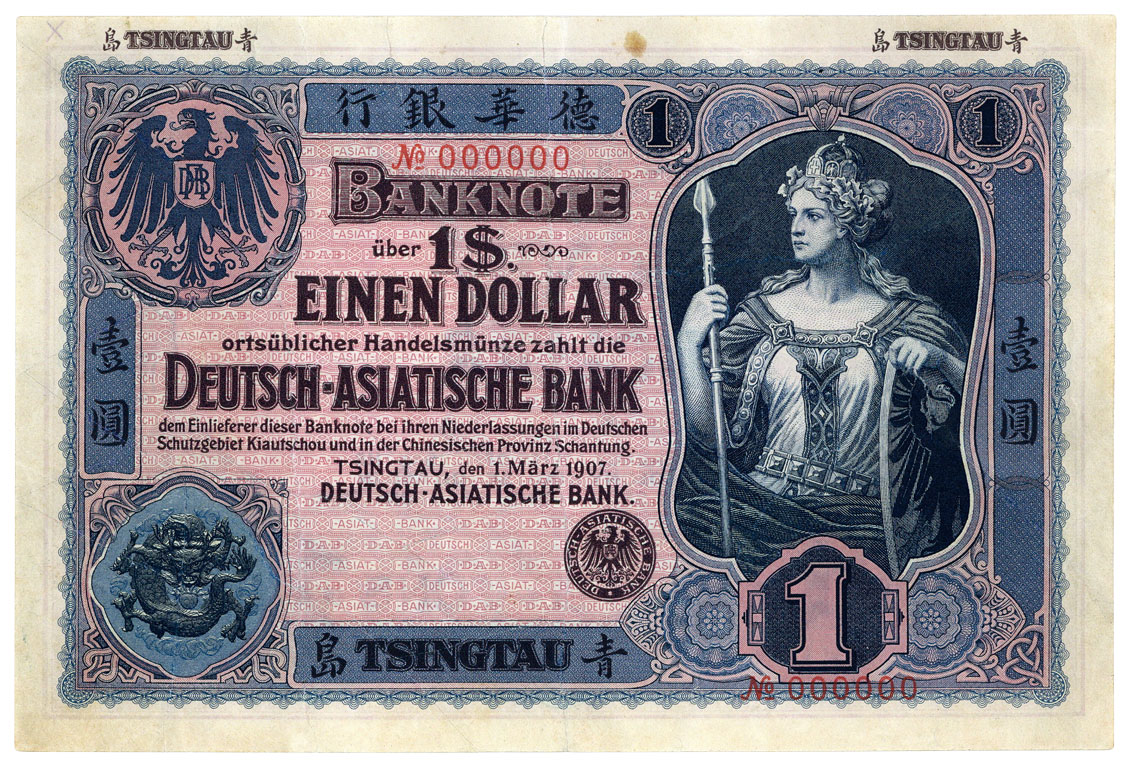
1 Dollar 1.3.1907, Tsingtao.
Condition: very rare, restored
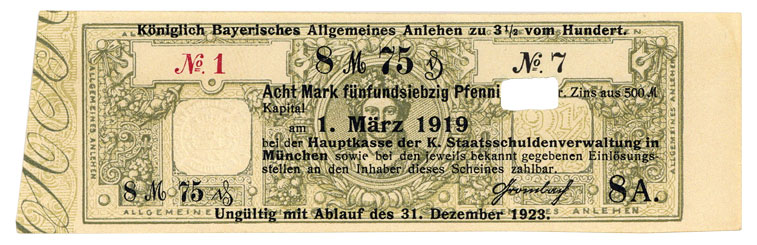
Royal Bavarian General Loan.
8.75 Marks, March 1, 1919.
Condition: rare, I
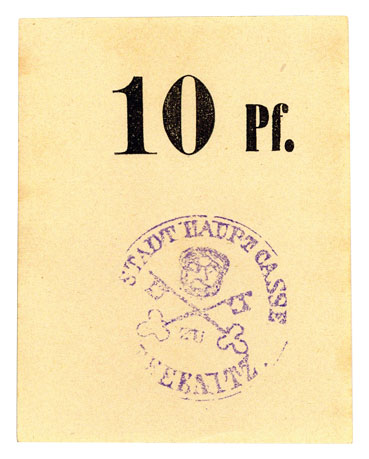
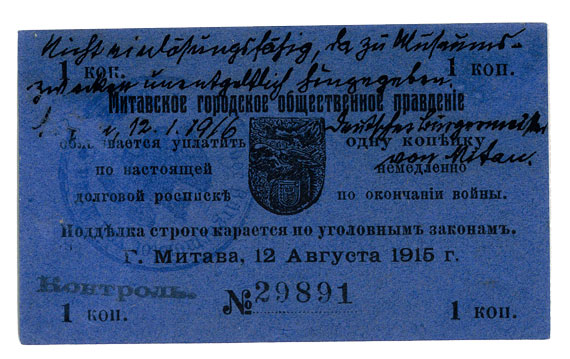
Archive: People and Markets
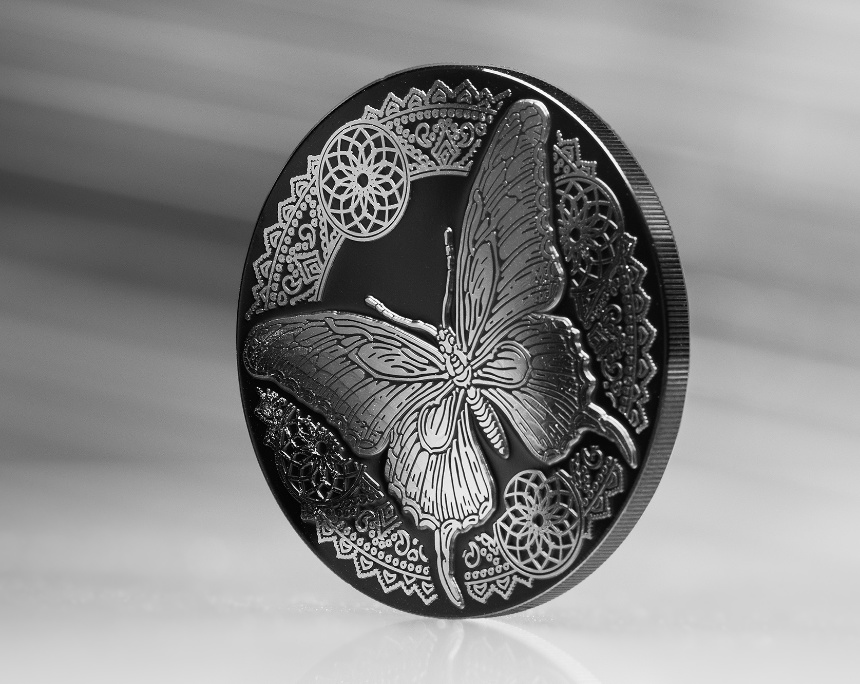
Introducing Nanoshine: CIT’s Butterfly
CIT’s Butterfly seems delicate, fragile and beautiful, just like its real-life model. The technical marvel behind it only becomes apparent at second glance. Nanoshine is a completely new technology with the potential to transform the aesthetics of coin design.
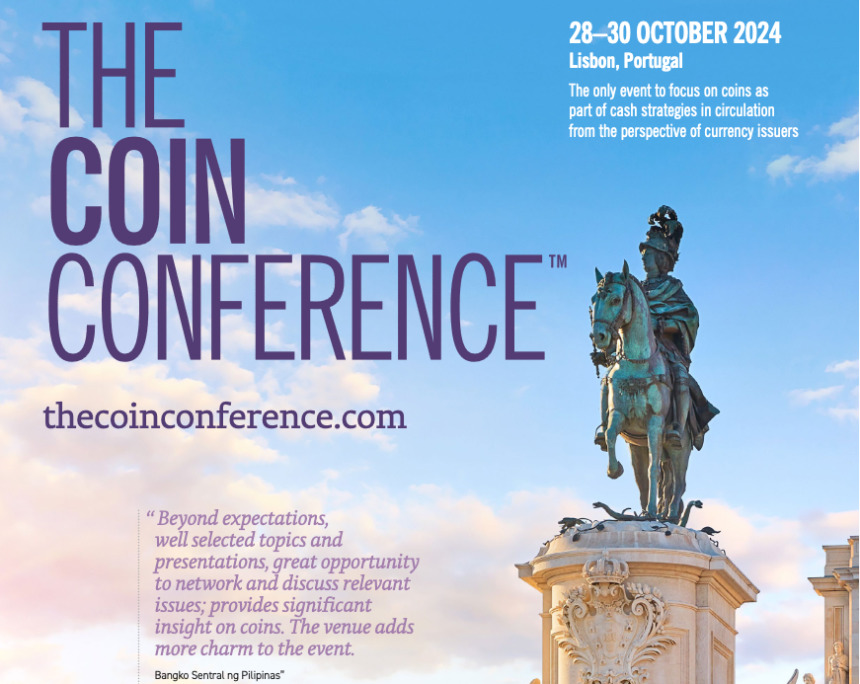
Next Week, It’s Time for the Coin Conference 2024!
From 28 to 30 October, the central banks and mints will meet in Lisbon to discuss the challenges the coin sector faces today. Ursula Kampmann will also be there. She’s responsible for a workshop on “Commemorative Coins for an International and a Domestic Market.”
Archive: Coins, Medals and more
 https://new.coinsweekly.com/wp-content/uploads/2025/01/2025KW03HA_00.jpg
684
860
Sebastian Wieschowski
https://new.coinsweekly.com/wp-content/uploads/2023/01/logo-coinsweekly_590x204.png
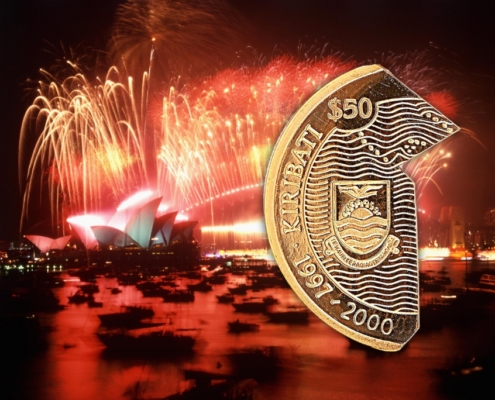
Sebastian Wieschowski2025-01-16 07:00:032025-01-16 16:55:4925 Years Ago: Millennium Coins and the Dawn of a New Era
https://new.coinsweekly.com/wp-content/uploads/2025/01/2025KW03HA_00.jpg
684
860
Sebastian Wieschowski
https://new.coinsweekly.com/wp-content/uploads/2023/01/logo-coinsweekly_590x204.png
Sebastian Wieschowski2025-01-16 07:00:032025-01-16 16:55:4925 Years Ago: Millennium Coins and the Dawn of a New Era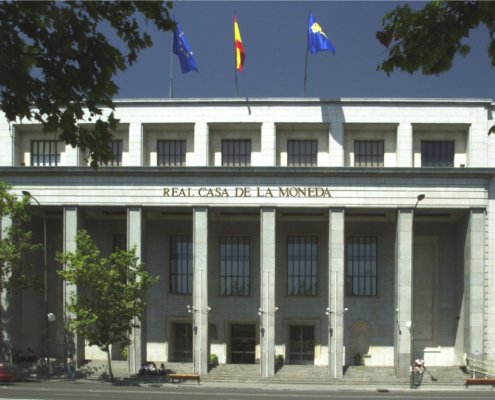 https://new.coinsweekly.com/wp-content/uploads/2024/07/2024KW28HA_00.jpg
684
860
Ursula Kampmann
https://new.coinsweekly.com/wp-content/uploads/2023/01/logo-coinsweekly_590x204.png
Ursula Kampmann2024-07-11 11:04:462024-07-11 11:19:29The Casa de la Moneda Museum in Madrid
https://new.coinsweekly.com/wp-content/uploads/2024/07/2024KW28HA_00.jpg
684
860
Ursula Kampmann
https://new.coinsweekly.com/wp-content/uploads/2023/01/logo-coinsweekly_590x204.png
Ursula Kampmann2024-07-11 11:04:462024-07-11 11:19:29The Casa de la Moneda Museum in Madrid
Further Thefts at Royal Coin Cabinet Brought to Trial
The systematic thefts at the Royal Coin Cabinet in Stockholm were not committed by one single person. Another employee helped himself to some objects. At present, prosecutors are trying to prove the man stole coins worth more than 3.8 million Swedish kronor, including a Russian family ruble which sold for 510,000 SEK in 2009.
New Publication on Hallmarks of Gold Coinage in Serbia and Yugoslavia
After the work of countless renowned scholars, is it even possible to make new findings in the numismatics of Austria-Hungary and the Balkans? The Austrian Research Society for Numismatics says „yes!“ and proves this with Aleksandar Brzić’s new book on Serbian and Yugoslav hallmarks on gold coins from 1882 to 1941.