







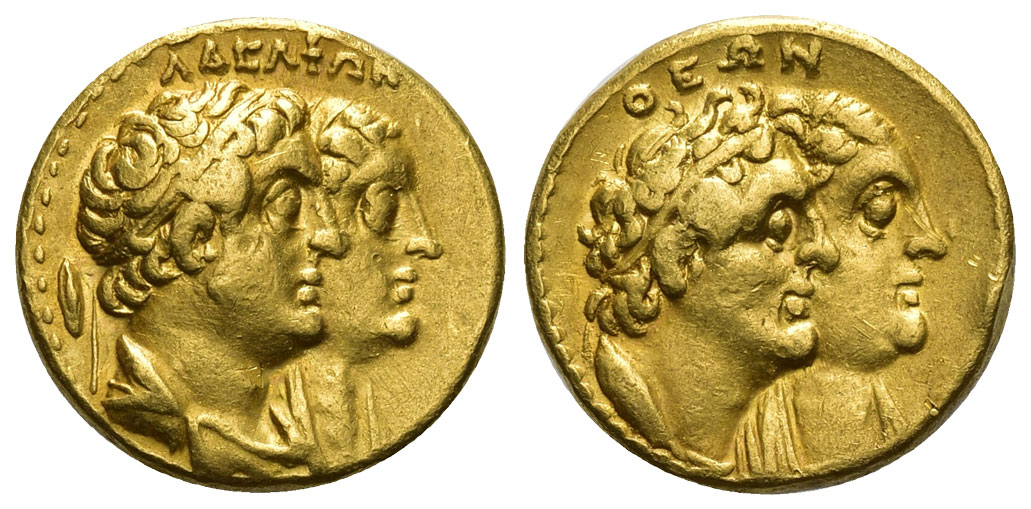
AV Tetradrachm (282–272 BC),
King Ptolemy II and Queen Arsinoe II.
From the major collection of Alexandria mint.
Condition: vf+
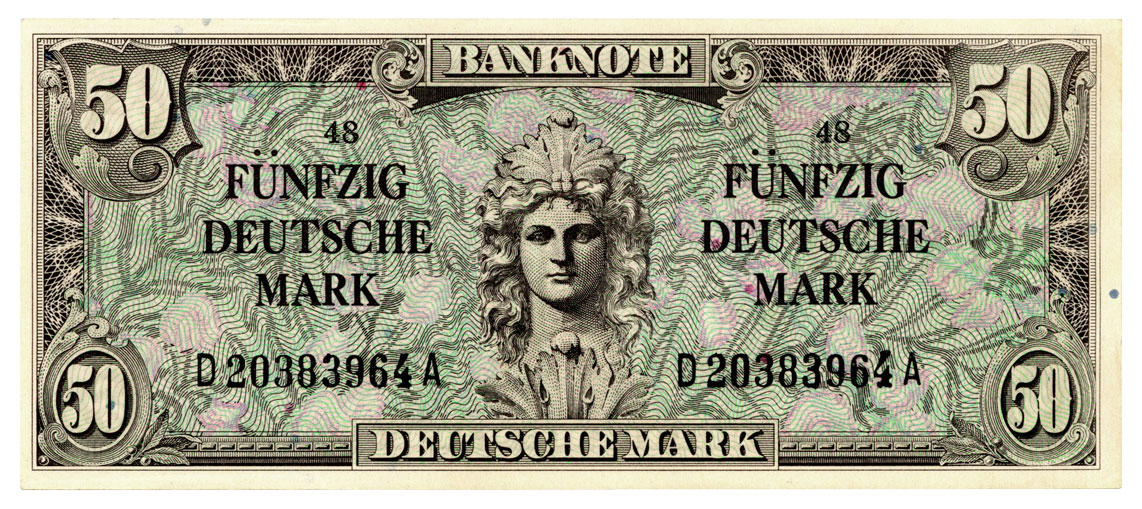
50 Deutsche Mark o.D. ( 1948-1949) "Liberty".
Condition: extremly rare, I
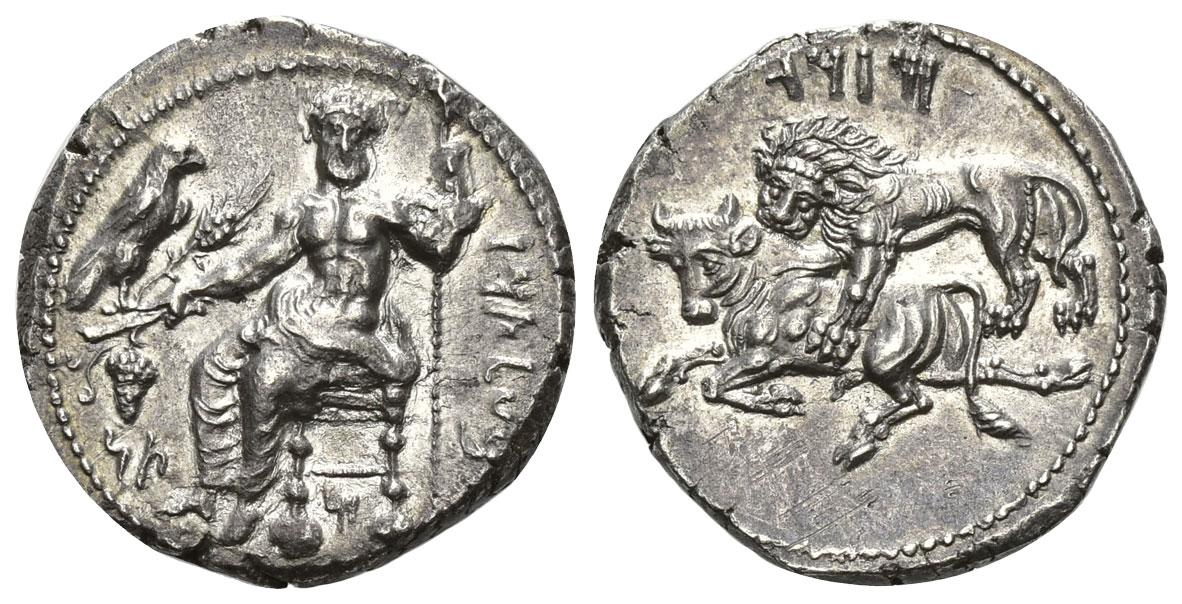
AR Stater (361-334 BC).
Obv. Baal of Tarsos.
Conditon: ef
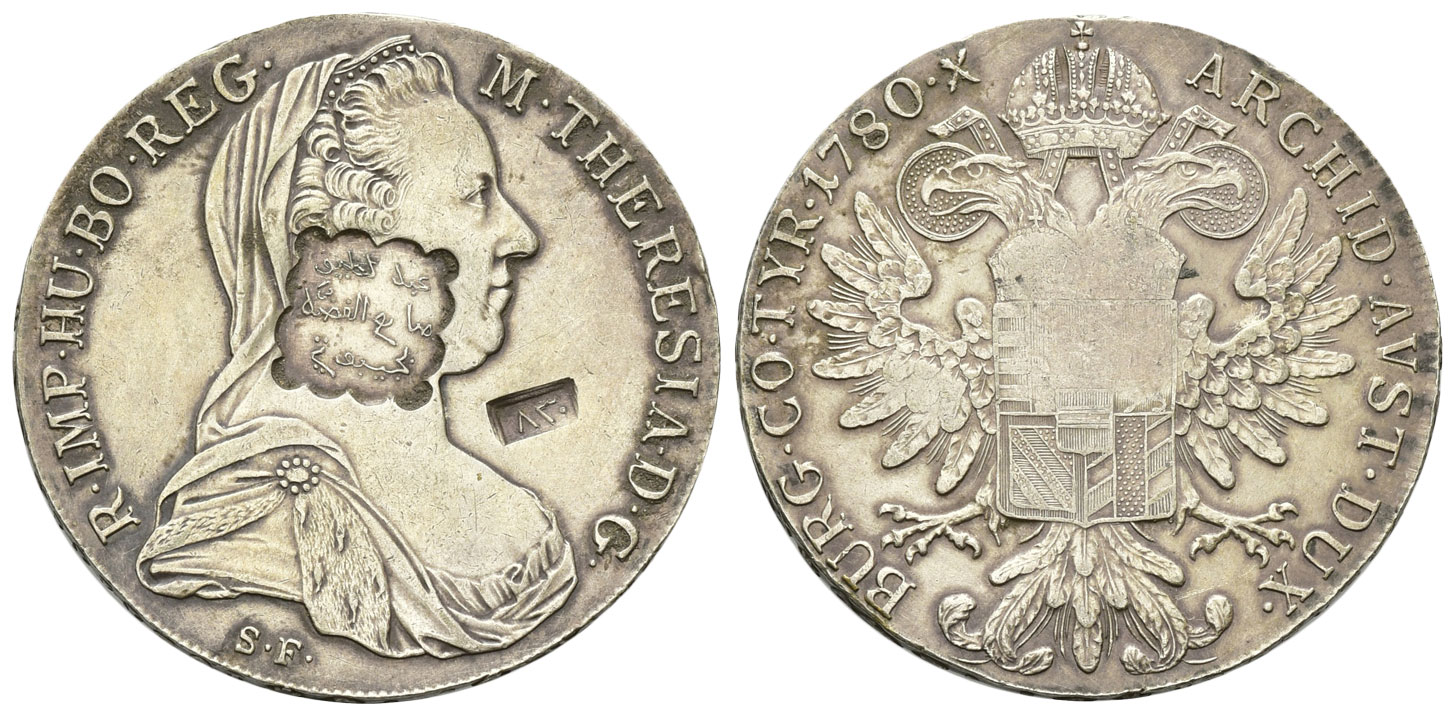
Taler 1780 SF
with counter stamp Djibouti (1870-1900).
Condition: vf
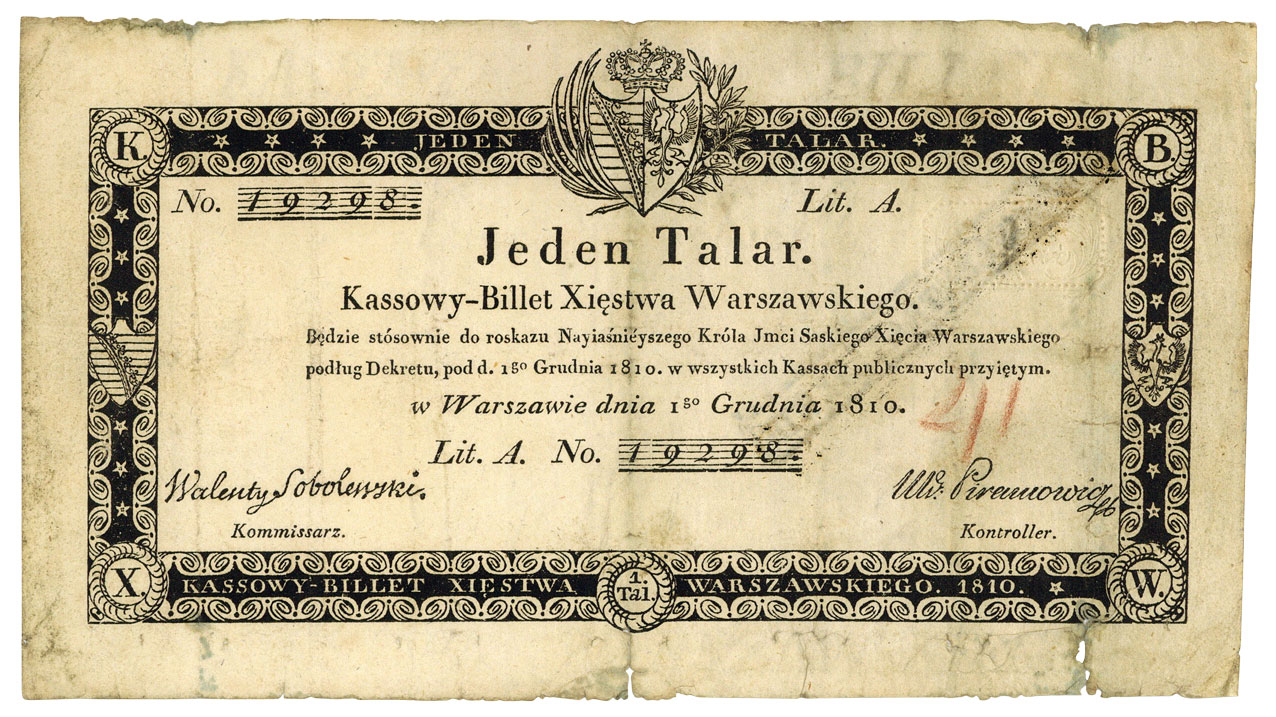
1 Talar 1. December 1810.
Condition: III-IV
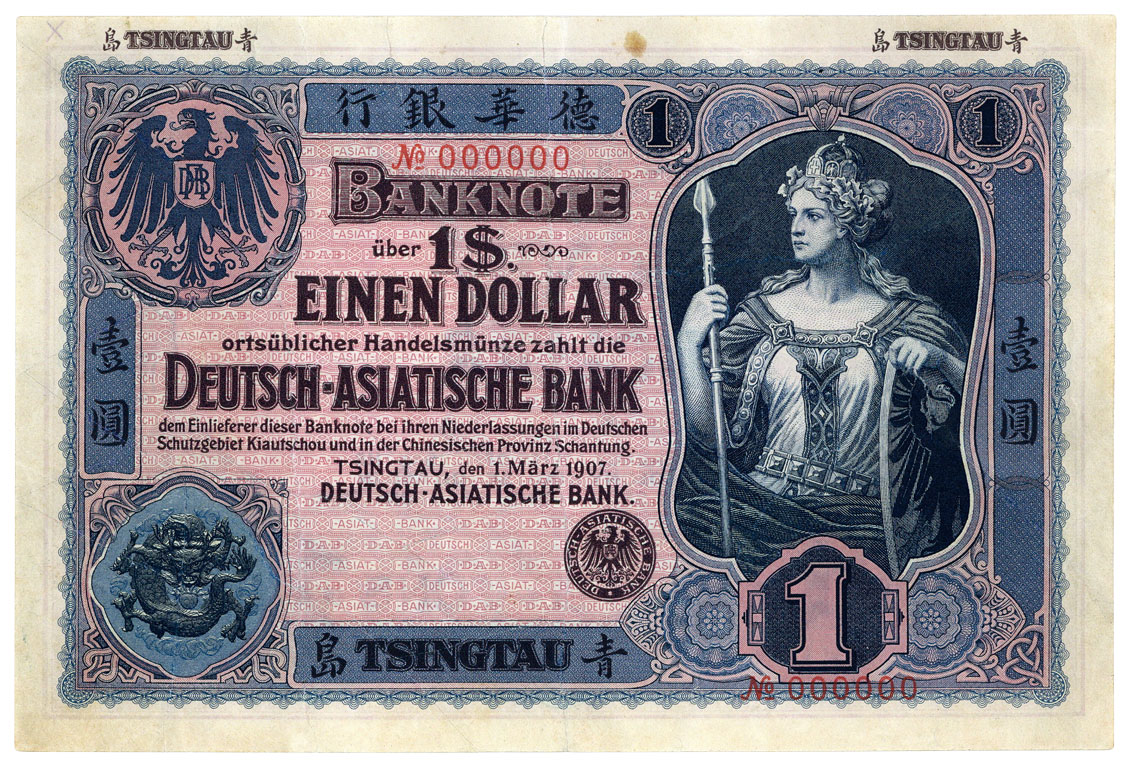
1 Dollar 1.3.1907, Tsingtao.
Condition: very rare, restored
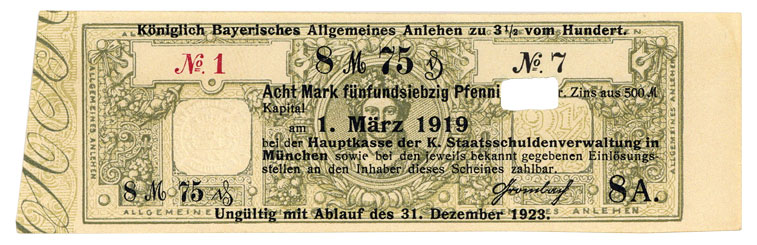
Royal Bavarian General Loan.
8.75 Marks, March 1, 1919.
Condition: rare, I
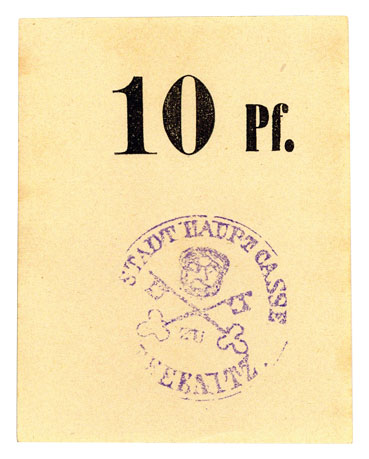
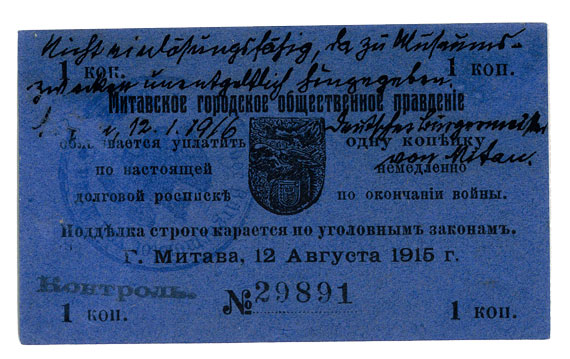
Archive: People and Markets

NGC and PMG at the New Numismatic Event in Madrid
Representatives of NGC and PMG will accept submissions, answer questions and provide information about the companies’ services at the new Evento Numismático Internacional Madrid.

Archaeologists in Awe at the Sight of Sardinia’s Folles Hoard
Italian archaeologists are calling it one of the most important finds in recent years: up to 50,000 bronze coins dating from the 4th century have been discovered off the Sardinian coast. Apart from the outstanding size of this hoard, the coins’ condition is also astonishing.
Archive: Coins, Medals and more
 https://new.coinsweekly.com/wp-content/uploads/2023/10/2023KW41HA_00.jpg
684
860
Ursula Kampmann
https://new.coinsweekly.com/wp-content/uploads/2023/01/logo-coinsweekly_590x204.png
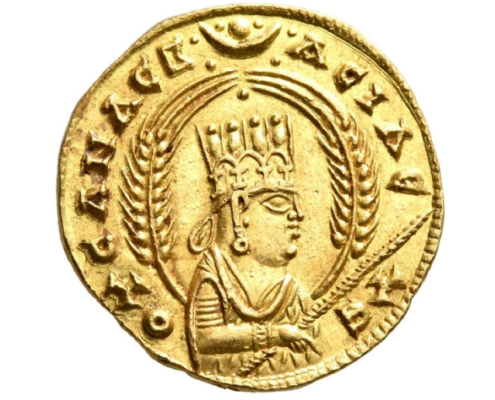
Ursula Kampmann2023-10-12 12:33:032023-10-12 14:04:09An Introduction to Axumite Coinage
https://new.coinsweekly.com/wp-content/uploads/2023/10/2023KW41HA_00.jpg
684
860
Ursula Kampmann
https://new.coinsweekly.com/wp-content/uploads/2023/01/logo-coinsweekly_590x204.png
Ursula Kampmann2023-10-12 12:33:032023-10-12 14:04:09An Introduction to Axumite Coinage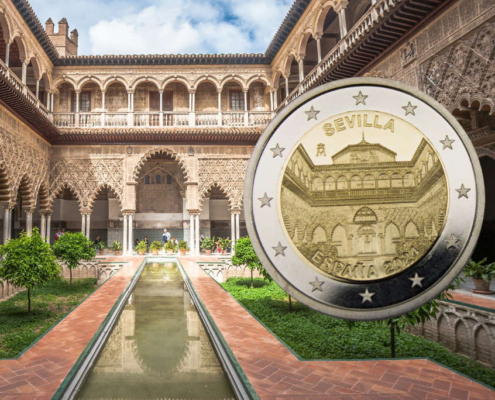 https://new.coinsweekly.com/wp-content/uploads/2024/06/2024KW26HA_00.jpg
684
860
Ursula Kampmann
https://new.coinsweekly.com/wp-content/uploads/2023/01/logo-coinsweekly_590x204.png
Ursula Kampmann2024-06-27 08:00:492024-06-27 09:39:25The Secret of the Success of State Quarters, UNESCO Coins and Federal State Series
https://new.coinsweekly.com/wp-content/uploads/2024/06/2024KW26HA_00.jpg
684
860
Ursula Kampmann
https://new.coinsweekly.com/wp-content/uploads/2023/01/logo-coinsweekly_590x204.png
Ursula Kampmann2024-06-27 08:00:492024-06-27 09:39:25The Secret of the Success of State Quarters, UNESCO Coins and Federal State Series
Stack’s Bowers Moves Into New Hong Kong Office
Stack’s Bowers Galleries has relocated their Hong Kong headquarters. The new space is larger with a state-of-the-art auction facility. Opening will take place on October 11.
A King in Your Wallet: Pound Coins Featuring Charles III Enter Circulation
Almost two years after the death of Queen Elizabeth II, her successor, King Charles III, is gradually arriving in the wallets of the British – and new faces will also be appearing in change in Denmark and Luxembourg.