







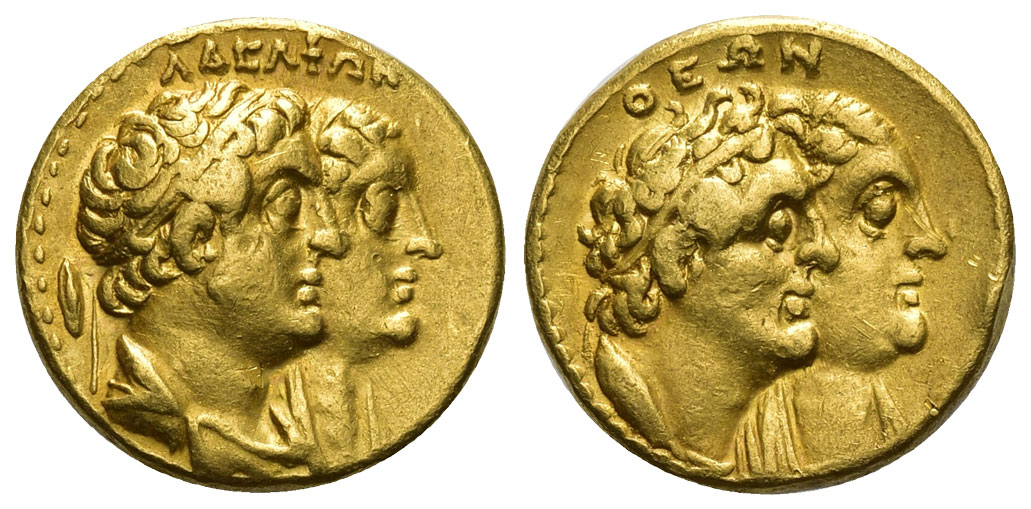
AV Tetradrachm (282–272 BC),
King Ptolemy II and Queen Arsinoe II.
From the major collection of Alexandria mint.
Condition: vf+
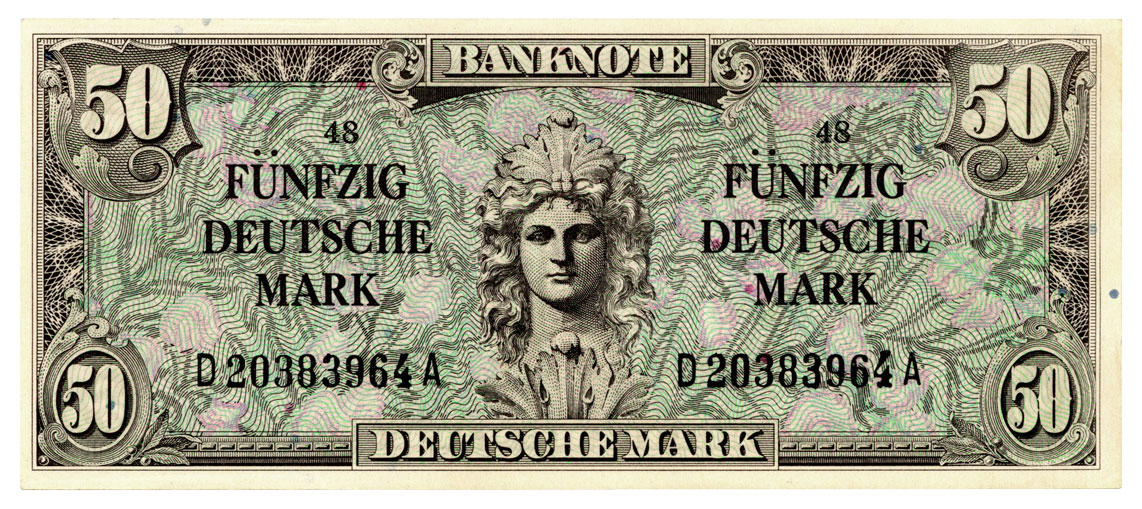
50 Deutsche Mark o.D. ( 1948-1949) "Liberty".
Condition: extremly rare, I
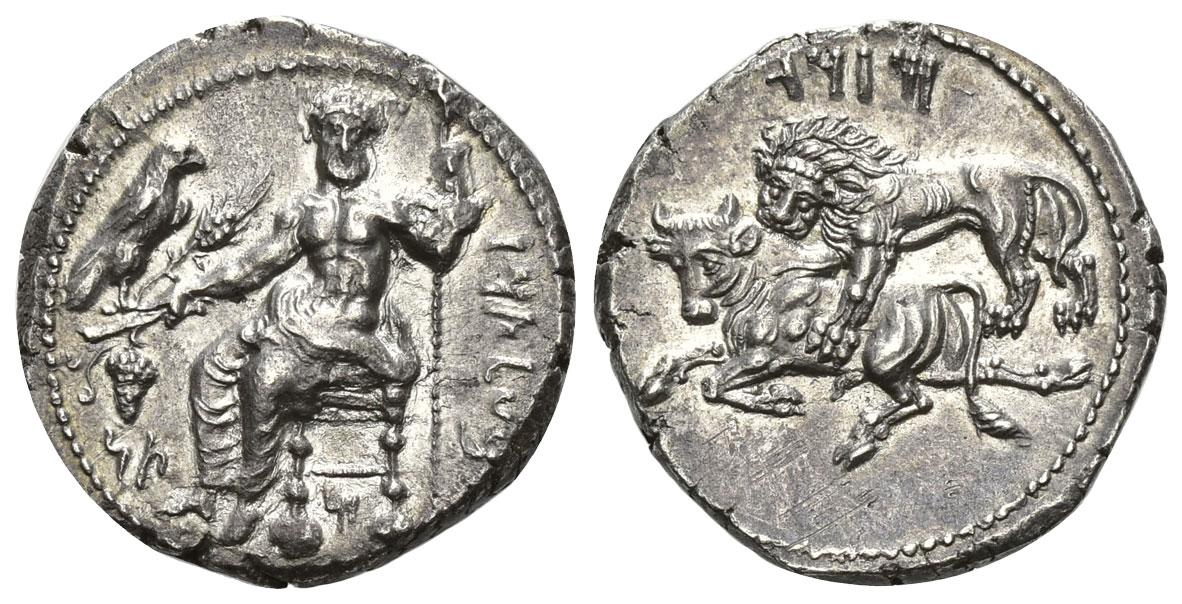
AR Stater (361-334 BC).
Obv. Baal of Tarsos.
Conditon: ef
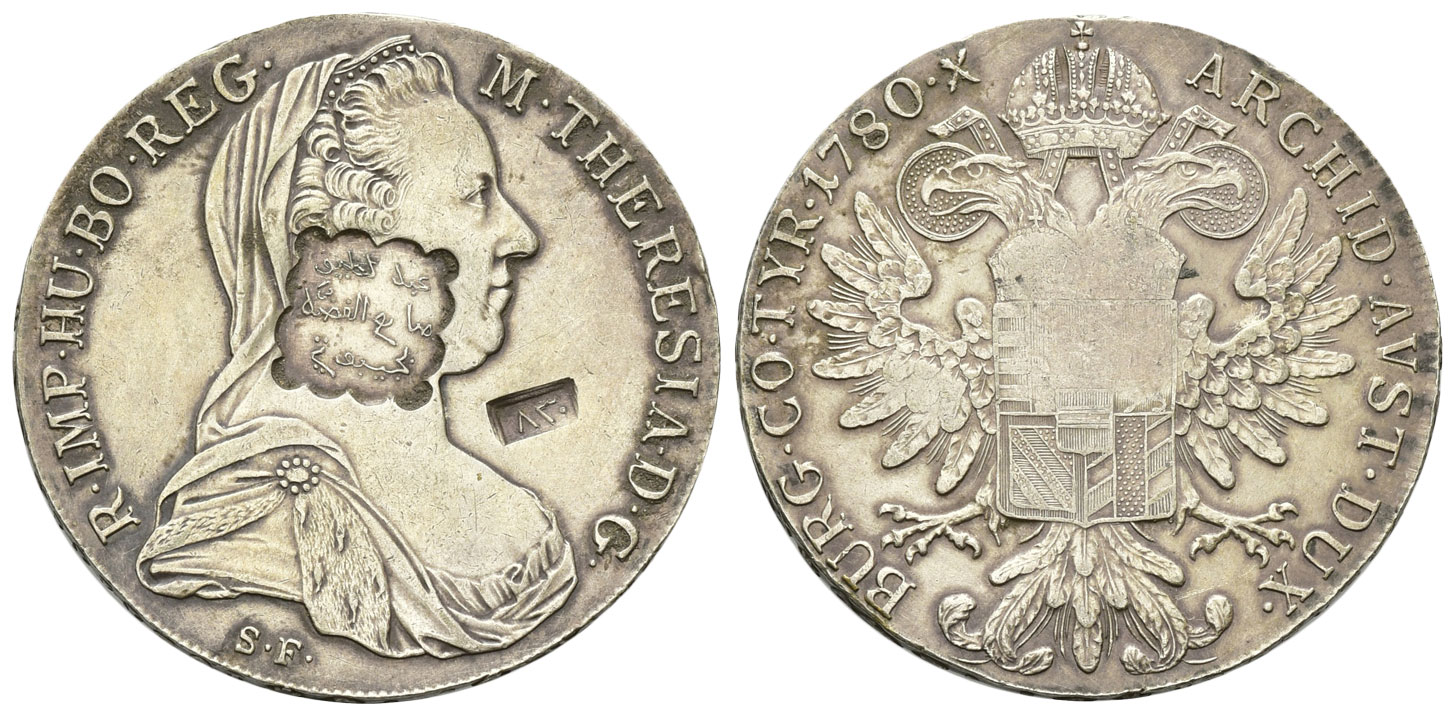
Taler 1780 SF
with counter stamp Djibouti (1870-1900).
Condition: vf
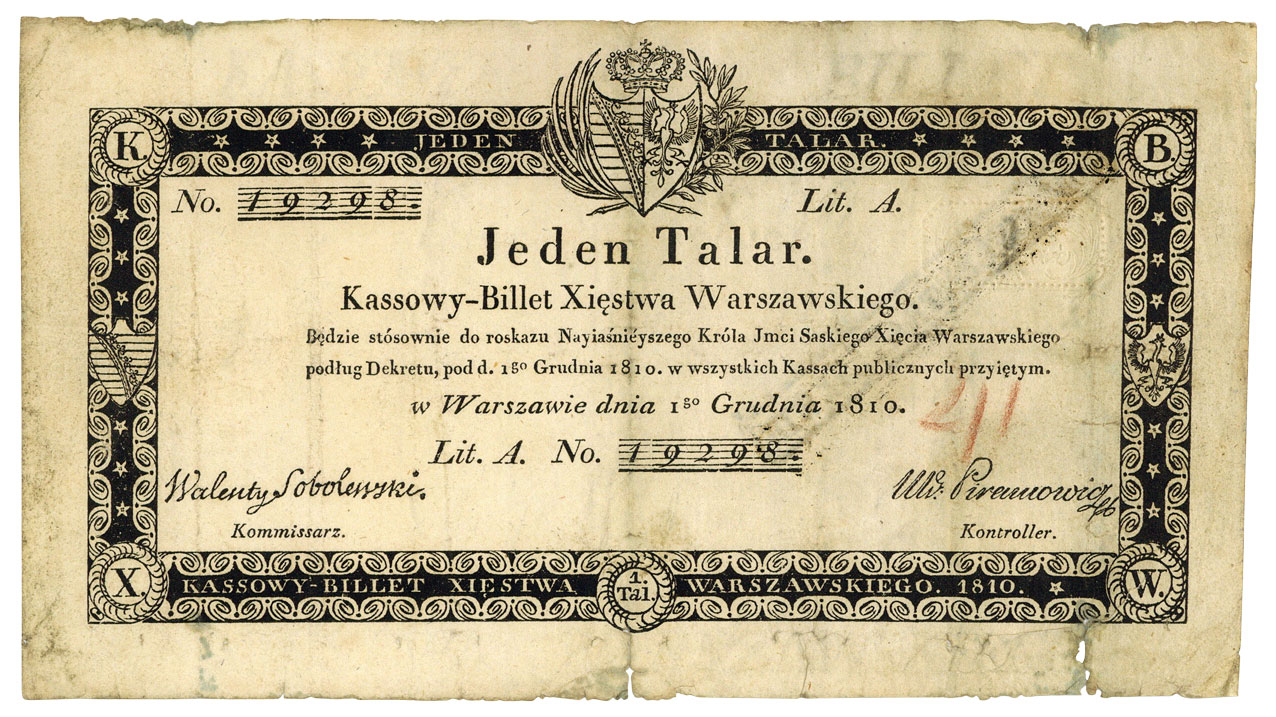
1 Talar 1. December 1810.
Condition: III-IV
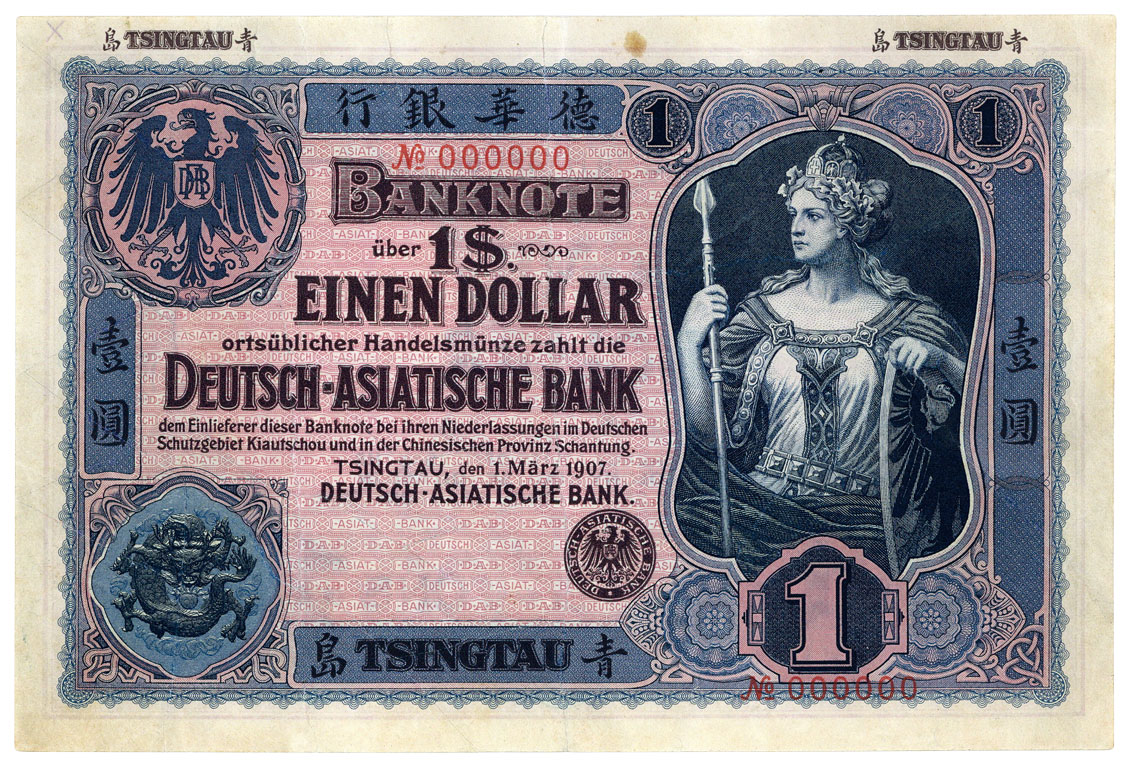
1 Dollar 1.3.1907, Tsingtao.
Condition: very rare, restored
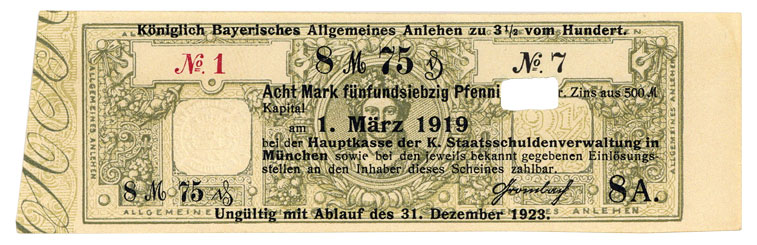
Royal Bavarian General Loan.
8.75 Marks, March 1, 1919.
Condition: rare, I
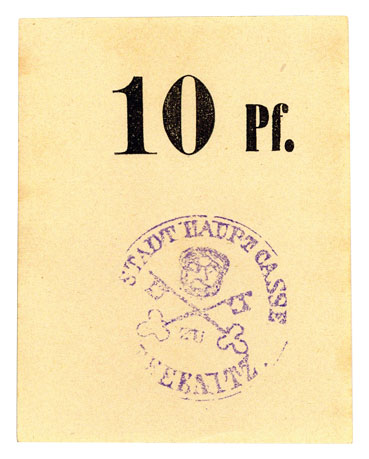
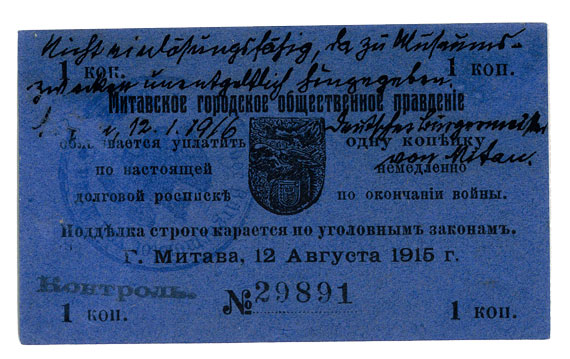
Archive: People and Markets
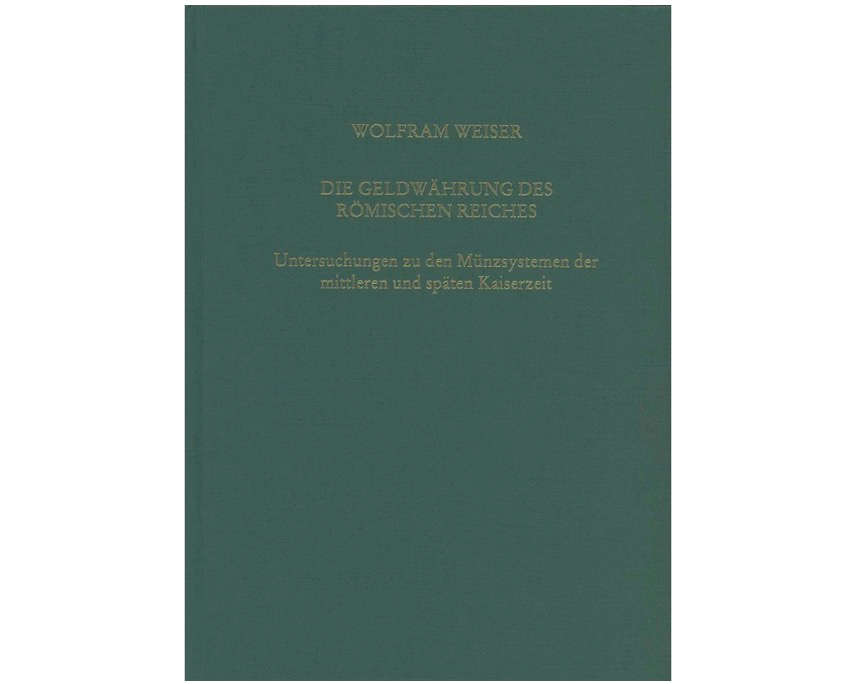
A Great Numismatist’s Important Book Published Posthumously
About a year after Wolfram Weisers death, his book on the currency of the Roman Empire has been published. Prof. Johannes Nollé has taken a closer look at this important German study.
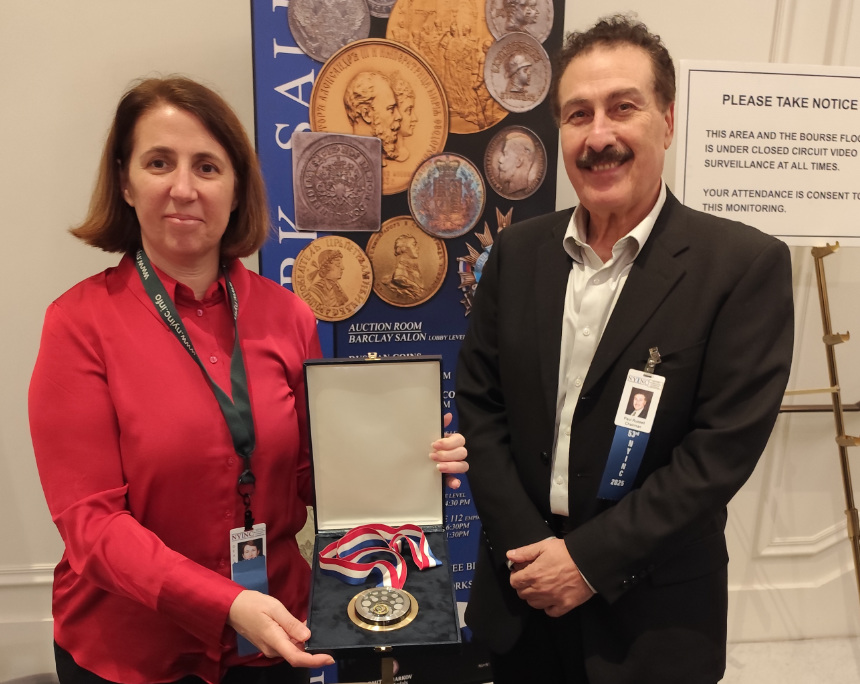
ANS Awards the 2025 Trustees’ Award to the NYINC
The American Numismatic Society annually presents the Trustees’ Award to honor those advancing the study and appreciation of numismatics. This year, the New York International Numismatic Convention was recognized for over 50 years of uniting coin collectors, dealers, and enthusiasts.
Archive: Coins, Medals and more
 https://new.coinsweekly.com/wp-content/uploads/2024/11/2024KW45HA2_00.jpg
684
860
Bruno
https://new.coinsweekly.com/wp-content/uploads/2023/01/logo-coinsweekly_590x204.png
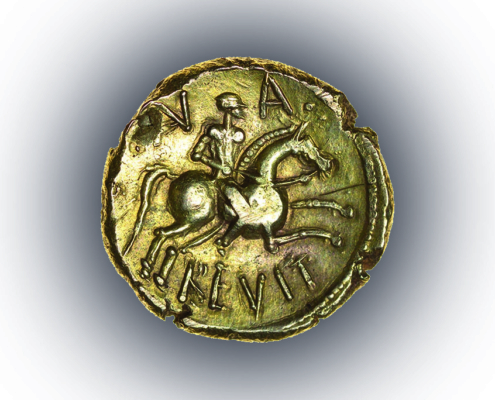
Bruno2024-11-07 07:54:412024-11-07 13:16:47Was Anarevito a Slave Trader?
https://new.coinsweekly.com/wp-content/uploads/2024/11/2024KW45HA2_00.jpg
684
860
Bruno
https://new.coinsweekly.com/wp-content/uploads/2023/01/logo-coinsweekly_590x204.png
Bruno2024-11-07 07:54:412024-11-07 13:16:47Was Anarevito a Slave Trader?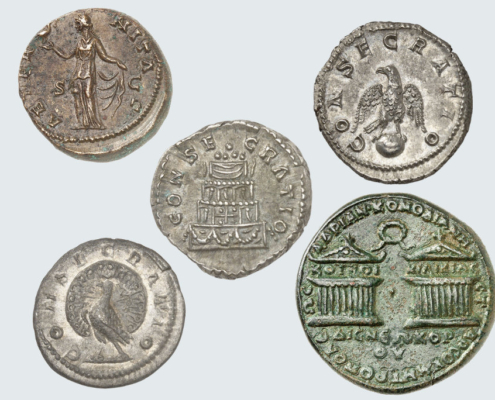 https://new.coinsweekly.com/wp-content/uploads/2024/10/2024KW42HA2_00.jpg
684
860
Lucie Loechel
https://new.coinsweekly.com/wp-content/uploads/2023/01/logo-coinsweekly_590x204.png
Lucie Loechel2024-10-17 10:44:212024-10-17 11:19:35Oh Dear, I Think I’m Becoming a God! Numismatic Testaments to the Consecration of Roman Emperors
https://new.coinsweekly.com/wp-content/uploads/2024/10/2024KW42HA2_00.jpg
684
860
Lucie Loechel
https://new.coinsweekly.com/wp-content/uploads/2023/01/logo-coinsweekly_590x204.png
Lucie Loechel2024-10-17 10:44:212024-10-17 11:19:35Oh Dear, I Think I’m Becoming a God! Numismatic Testaments to the Consecration of Roman Emperors
A Visit to the MIF International Money Fair
Not too long ago, the MIF International Money Fair was a banknote collector’s best kept secret. Today this banknote fair is a compulsory event on the calendar for dealers and collectors alike! Sebastian Wieschowski was there as Maastricht once again claims the title as the world’s Banknote trading capital – thanks to the MIF.
NGC introduces New High-Security Hologram with QR Codes
NGC is introducing a new high-security hologram as part of its efforts to combat counterfeiting of certifications. Among the hologram enhancements are a QR code and a numerical security code that are unique to the specific encapsulated collectible, making it extremely difficult for counterfeiters to replicate or tamper with the NGC holder.