







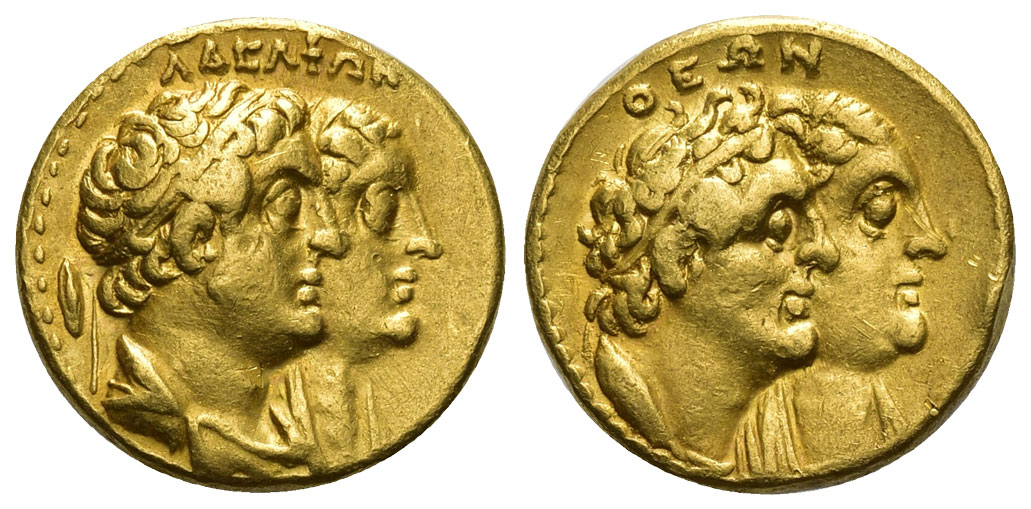
AV Tetradrachm (282–272 BC),
King Ptolemy II and Queen Arsinoe II.
From the major collection of Alexandria mint.
Condition: vf+
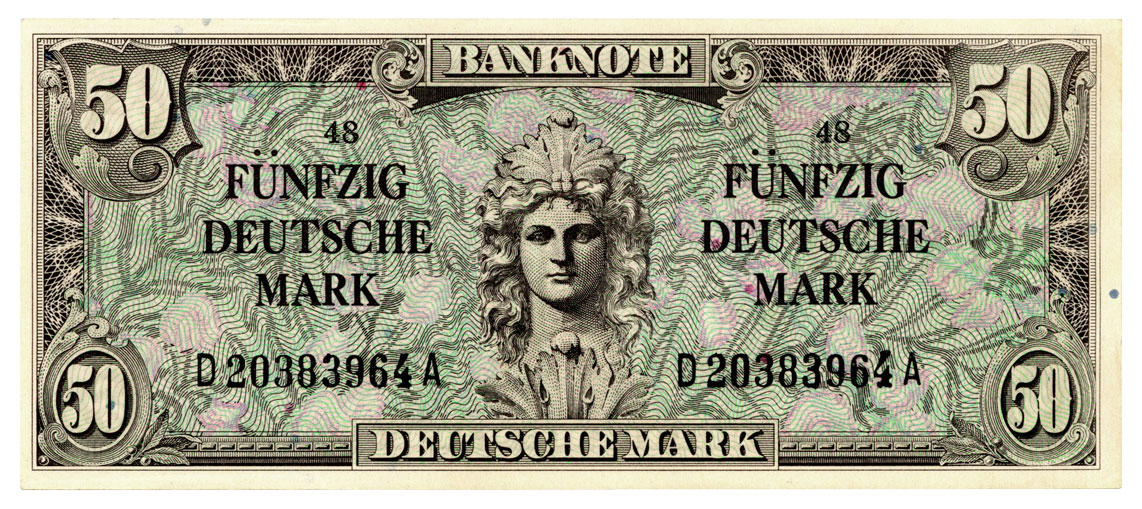
50 Deutsche Mark o.D. ( 1948-1949) "Liberty".
Condition: extremly rare, I
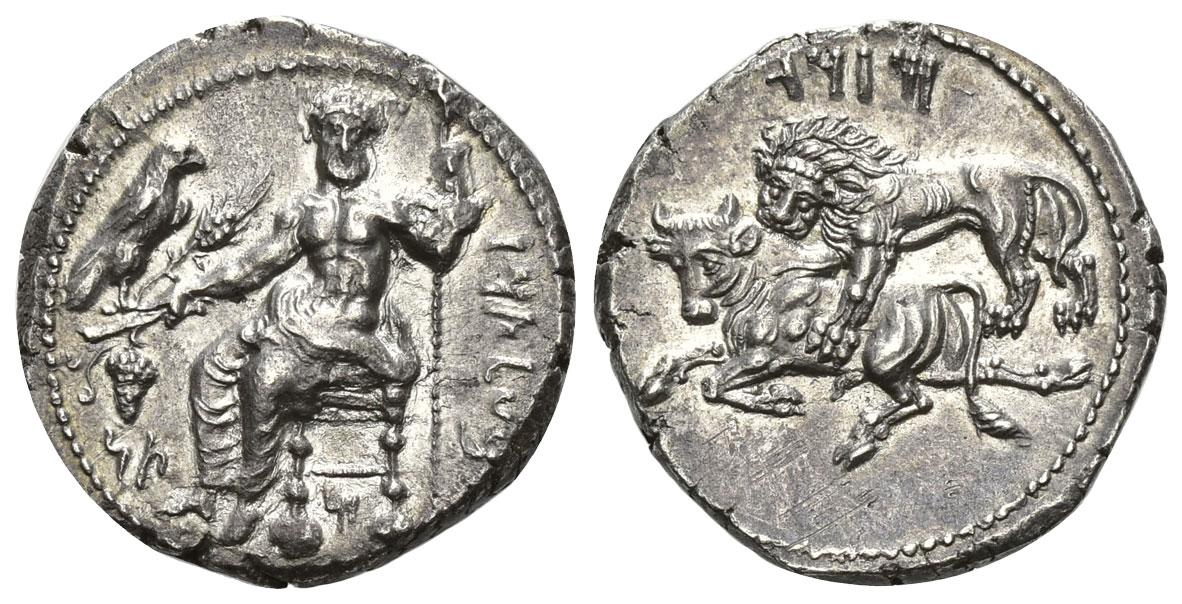
AR Stater (361-334 BC).
Obv. Baal of Tarsos.
Conditon: ef
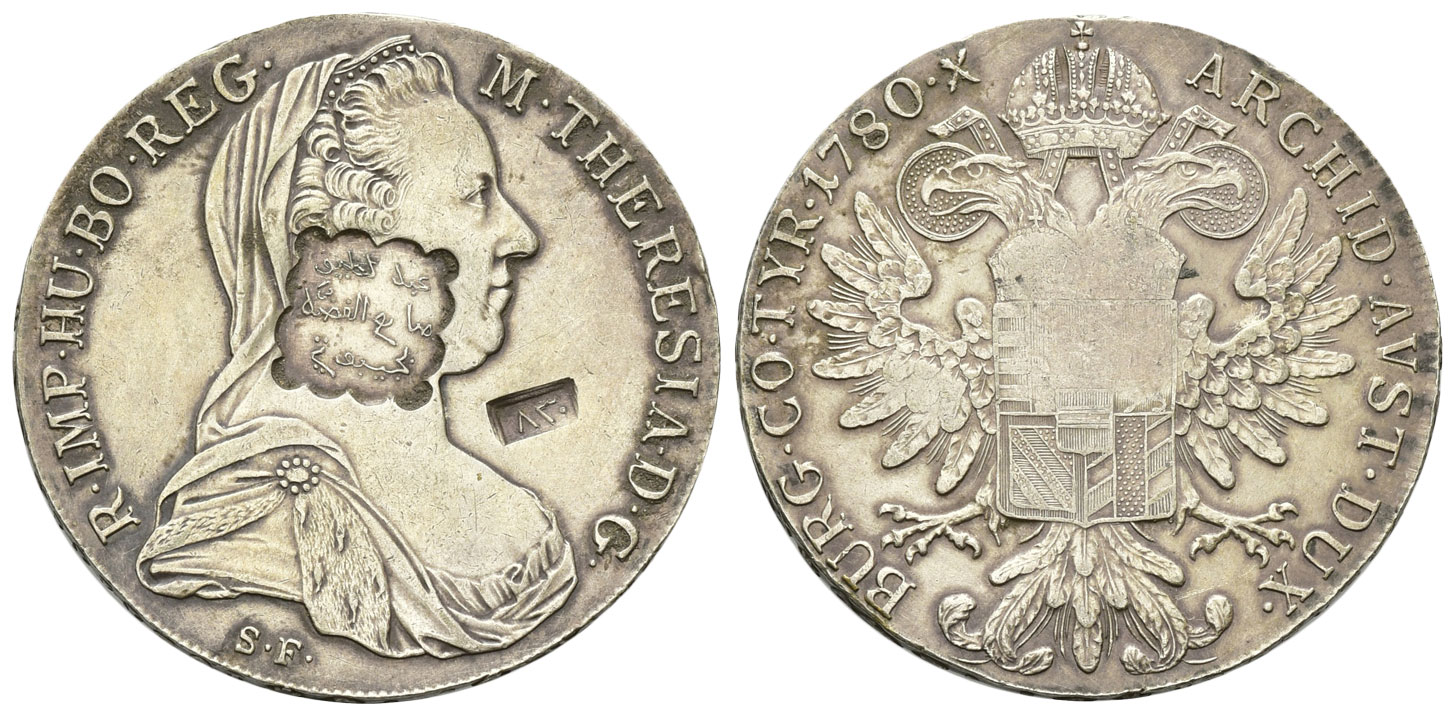
Taler 1780 SF
with counter stamp Djibouti (1870-1900).
Condition: vf
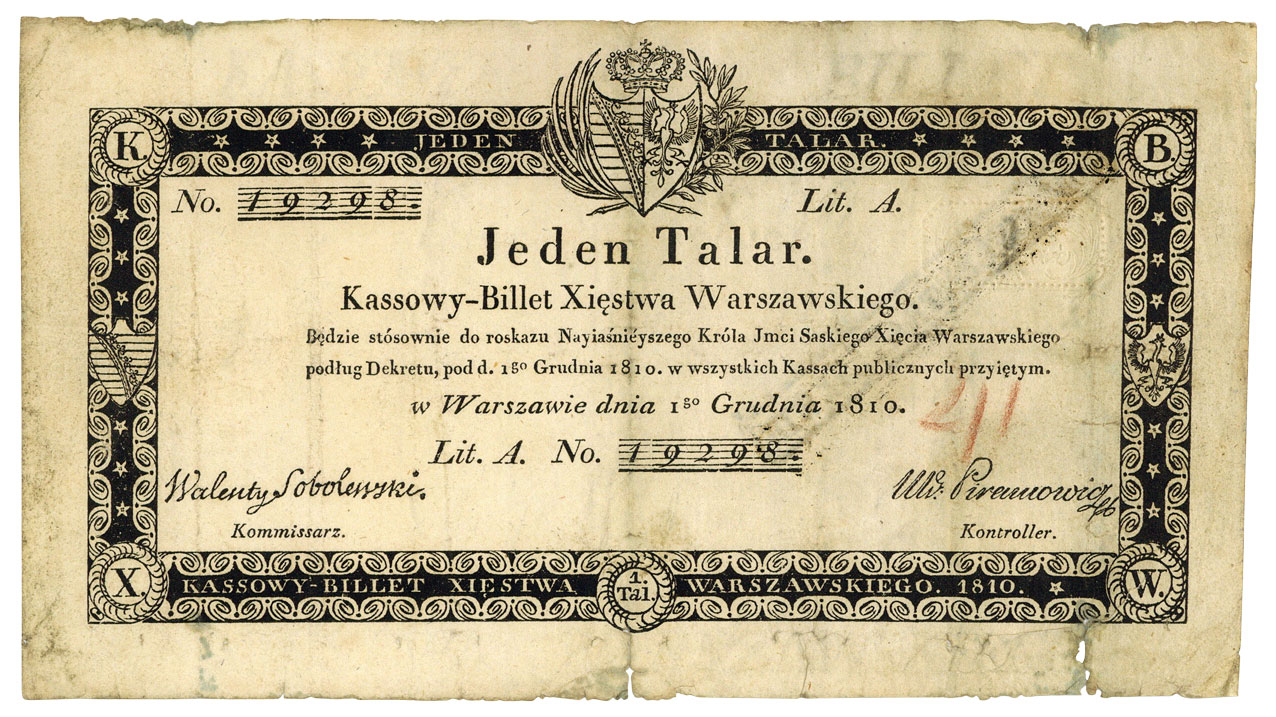
1 Talar 1. December 1810.
Condition: III-IV
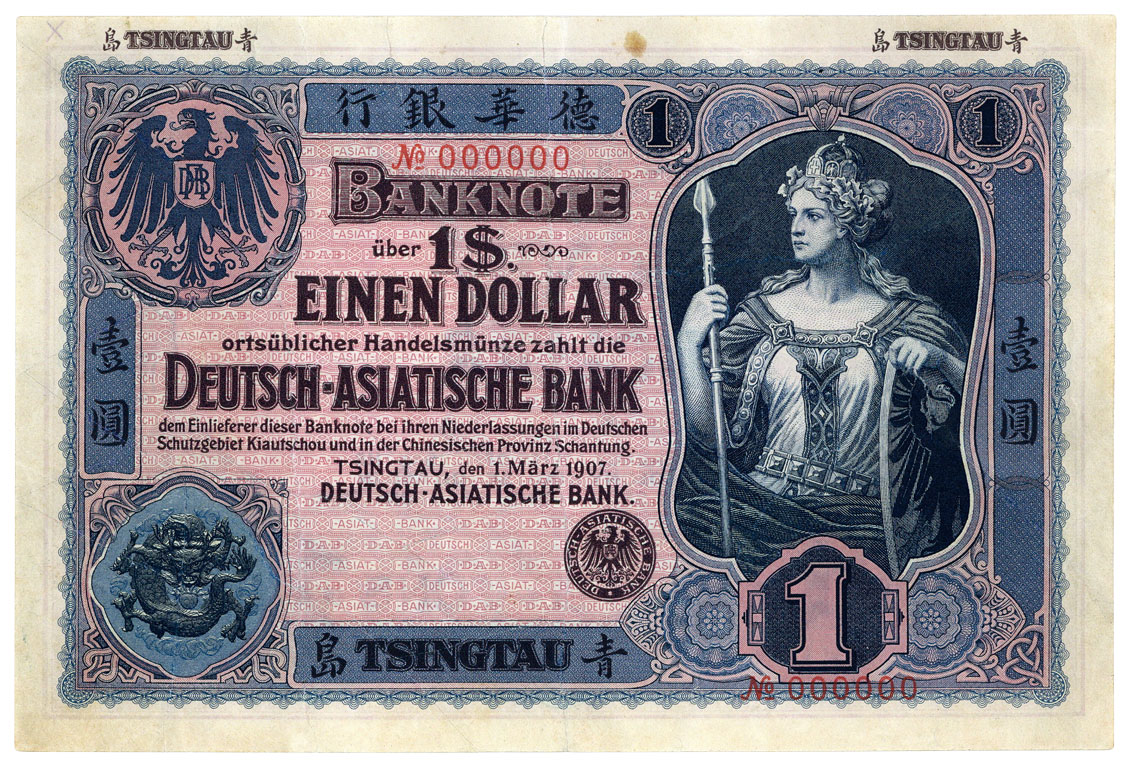
1 Dollar 1.3.1907, Tsingtao.
Condition: very rare, restored
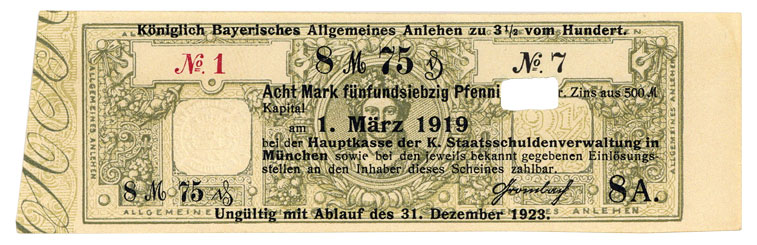
Royal Bavarian General Loan.
8.75 Marks, March 1, 1919.
Condition: rare, I
Archive: People and Markets
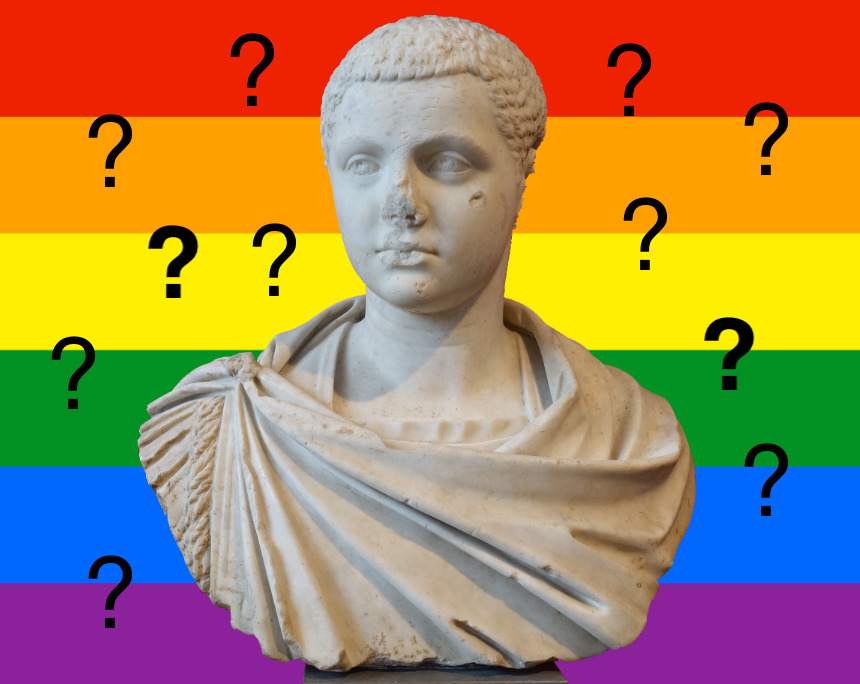
Elagabalus’ New Transgender Identity and Its Consequences on the Coin Trade
The North Hertfordshire Museum has pulled off an ingenious PR coup: the institution publicly announced that they will no longer refer to Elagabalus as “he” but as “she”. Ursula Kampmann explores how this might affect the coin trade.
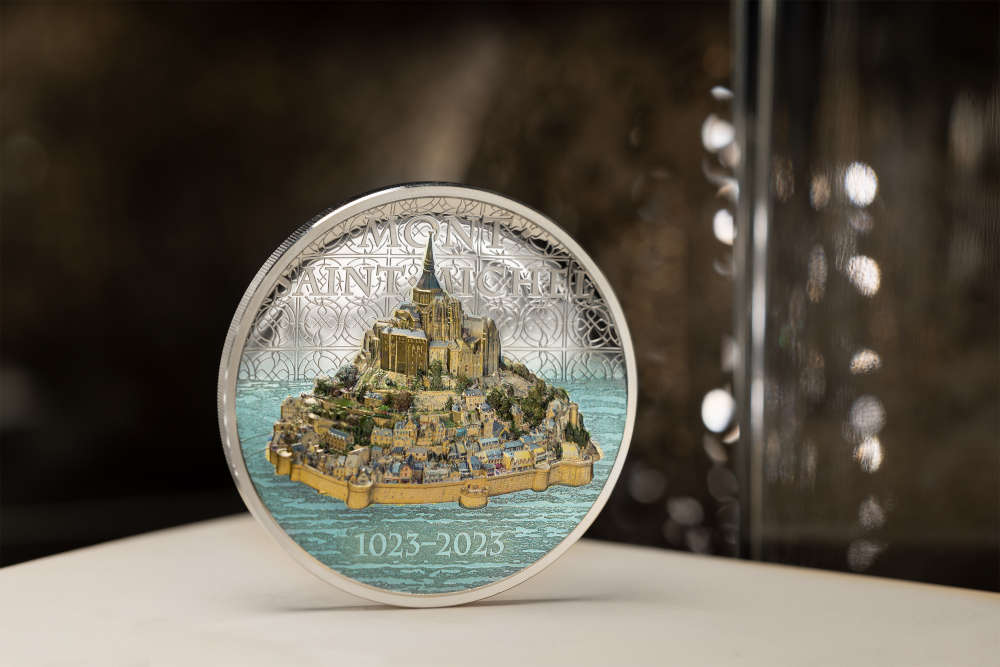
CIT’s Mont-Saint-Michel
CIT has converted the UNESCO World Heritage Site “Mont-Saint-Michel” into numismatic masterpieces: Four coins in three metals pay tribute to the impressive island with a three-dimensional relief on a deeply concave background.
Archive: Coins, Medals and more
 https://new.coinsweekly.com/wp-content/uploads/2023/06/CoCo04_04-1.jpg
750
1000
Ursula Kampmann
https://new.coinsweekly.com/wp-content/uploads/2023/01/logo-coinsweekly_590x204.png
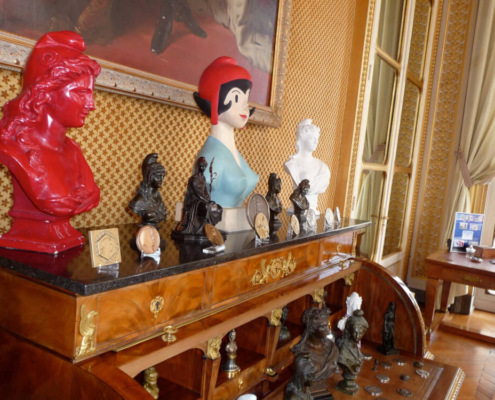
Ursula Kampmann2022-06-13 10:25:572023-06-27 10:30:06The French Marianne I: Marianne as a Representative of the French People – Part 1
https://new.coinsweekly.com/wp-content/uploads/2023/06/CoCo04_04-1.jpg
750
1000
Ursula Kampmann
https://new.coinsweekly.com/wp-content/uploads/2023/01/logo-coinsweekly_590x204.png
Ursula Kampmann2022-06-13 10:25:572023-06-27 10:30:06The French Marianne I: Marianne as a Representative of the French People – Part 1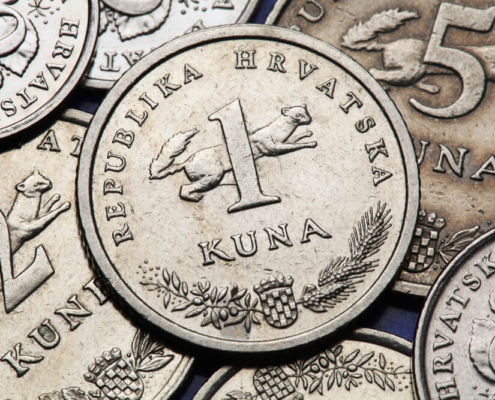 https://new.coinsweekly.com/wp-content/uploads/2023/06/CoCo03_09.jpg
667
1000
Ursula Kampmann
https://new.coinsweekly.com/wp-content/uploads/2023/01/logo-coinsweekly_590x204.png
Ursula Kampmann2022-06-13 10:37:152023-06-27 10:39:21What Will Be Depicted on Croatia’s Euro Coins?
https://new.coinsweekly.com/wp-content/uploads/2023/06/CoCo03_09.jpg
667
1000
Ursula Kampmann
https://new.coinsweekly.com/wp-content/uploads/2023/01/logo-coinsweekly_590x204.png
Ursula Kampmann2022-06-13 10:37:152023-06-27 10:39:21What Will Be Depicted on Croatia’s Euro Coins?
An “Error Coin” No Collector Is Happy About
The quality of the country’s collector coins is the subject of heated debate in Germany. This regards silver coins and colour issues. But the problem is not limited to German mints – the phenomenon of “milk spots” in particular is a major concern for coin producers around the world.
ANS awards Collier Prize to Moneda Ibérica
For the second time, the American Numismatic Society awarded the Collier Prize to an outstanding book, catalog, or digital work in the field of ancient numismatics. This year, the honor went to Moneda Ibérica, a digital catalog for ancient coins of the Iberian Peninsula.