







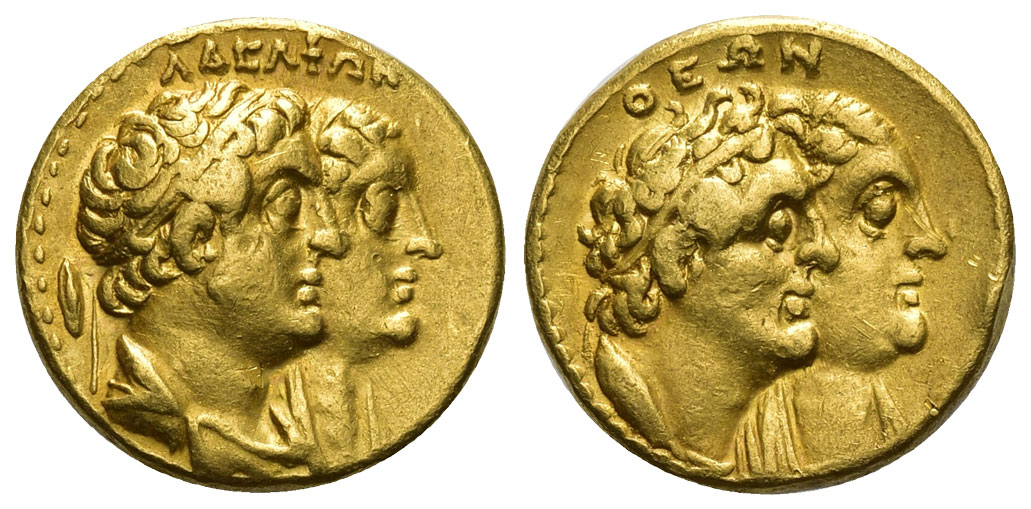
AV Tetradrachm (282–272 BC),
King Ptolemy II and Queen Arsinoe II.
From the major collection of Alexandria mint.
Condition: vf+
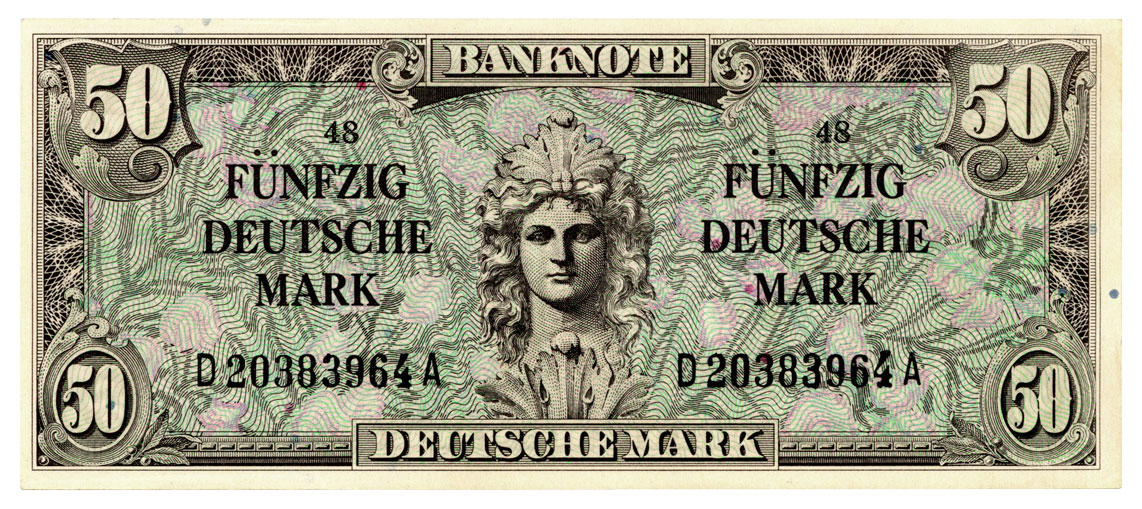
50 Deutsche Mark o.D. ( 1948-1949) "Liberty".
Condition: extremly rare, I
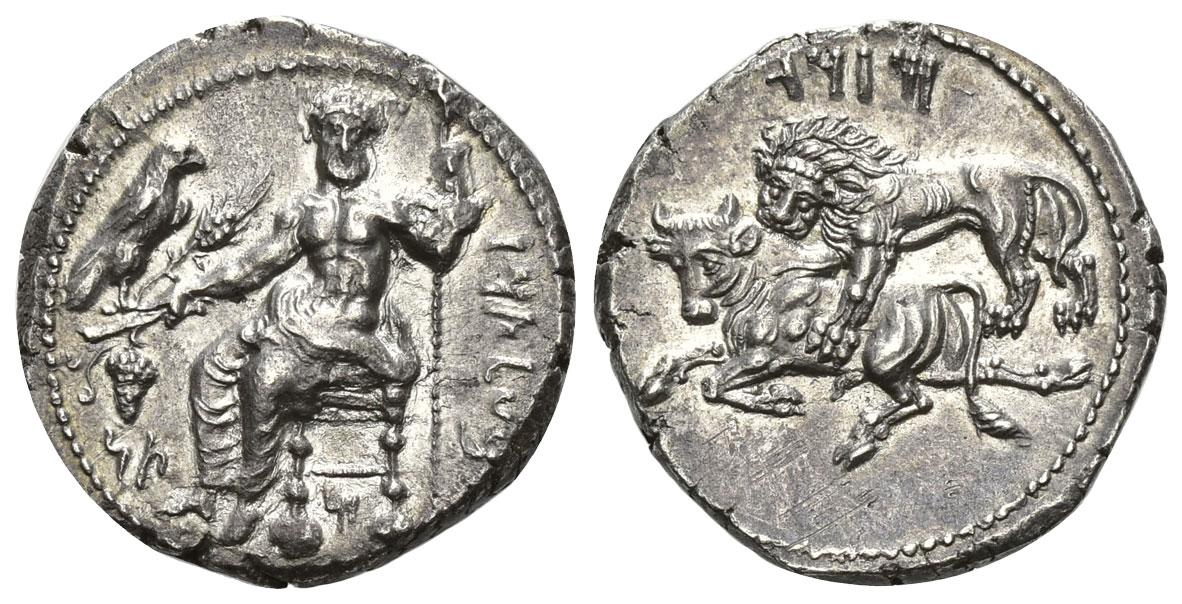
AR Stater (361-334 BC).
Obv. Baal of Tarsos.
Conditon: ef
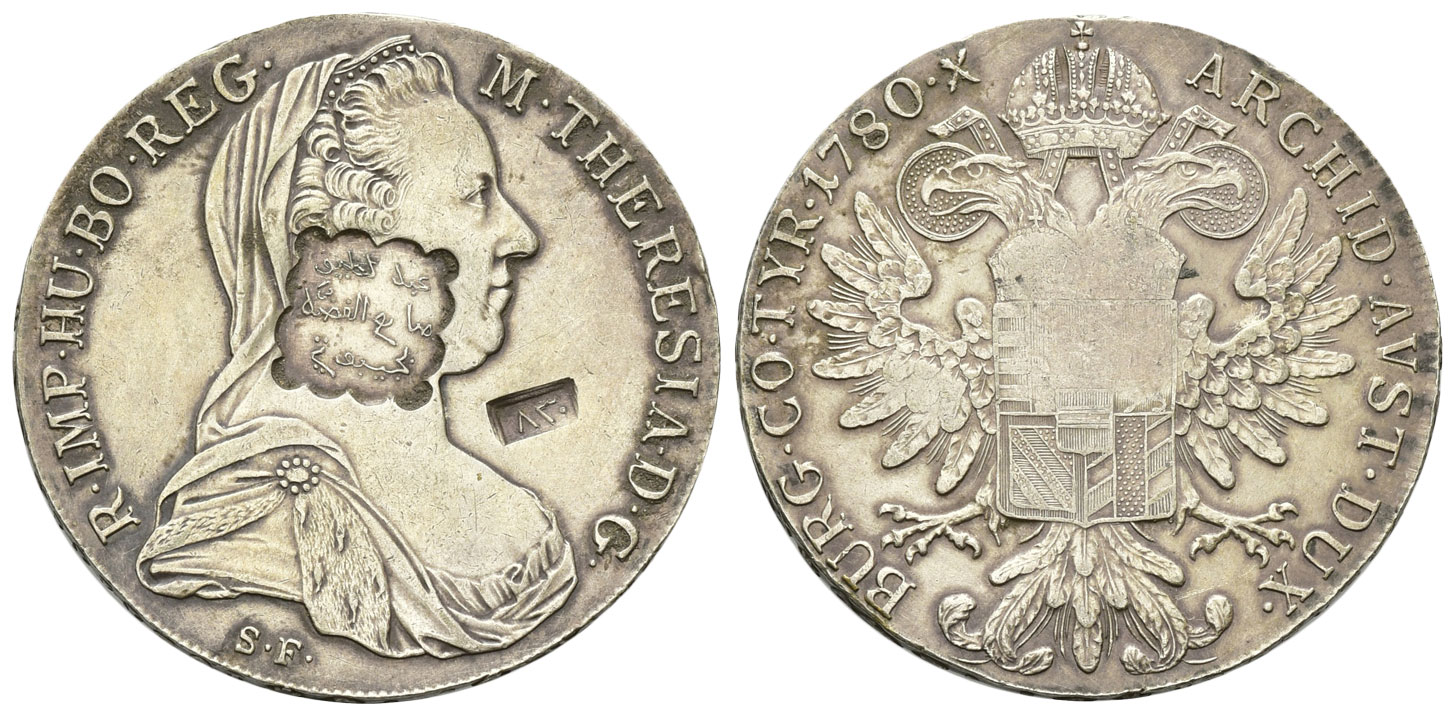
Taler 1780 SF
with counter stamp Djibouti (1870-1900).
Condition: vf
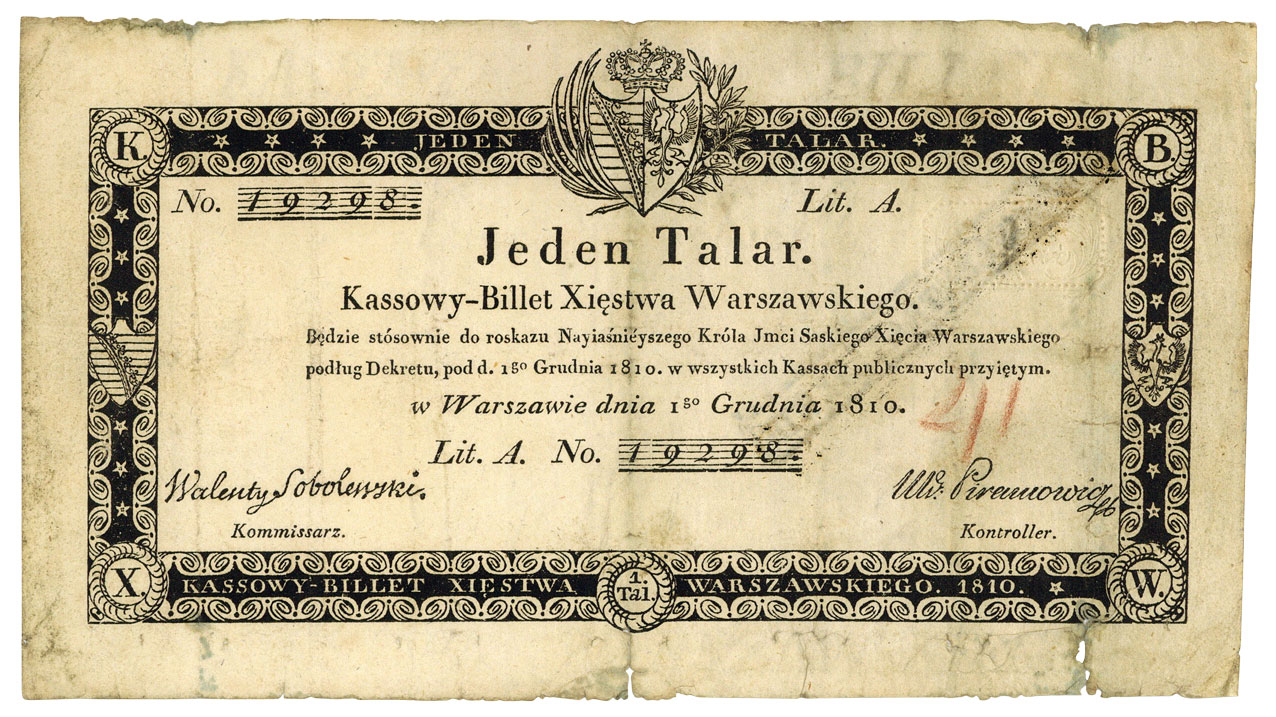
1 Talar 1. December 1810.
Condition: III-IV
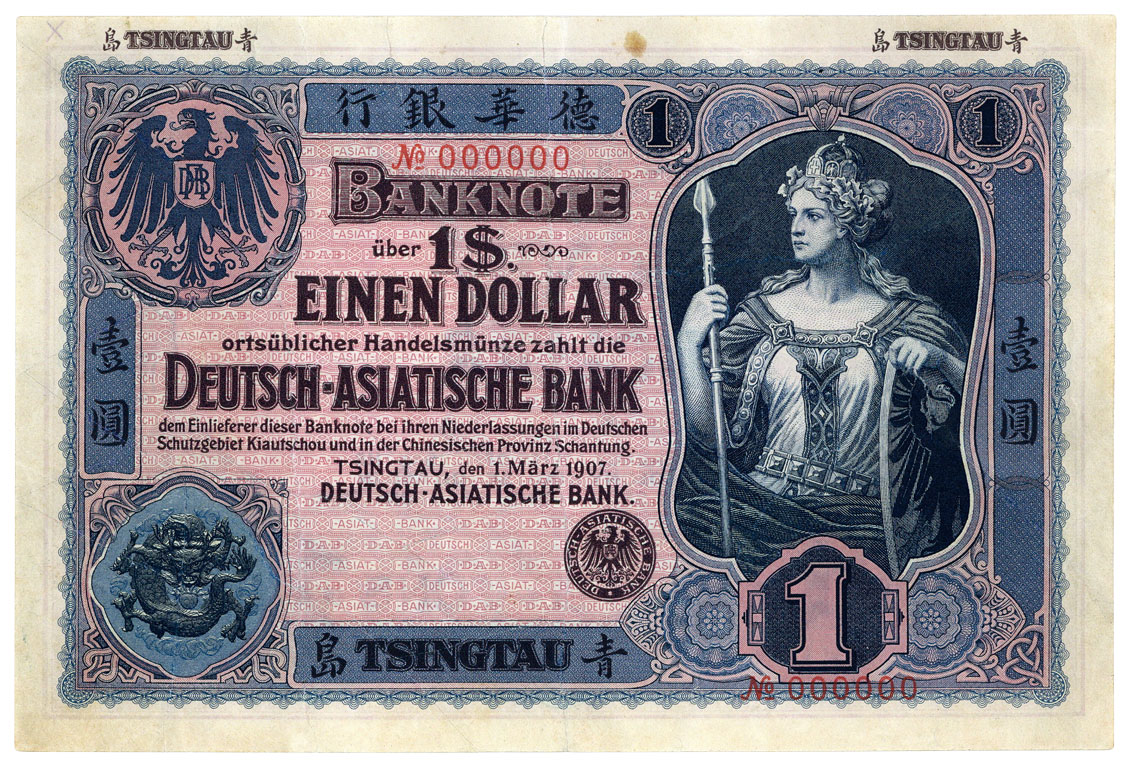
1 Dollar 1.3.1907, Tsingtao.
Condition: very rare, restored
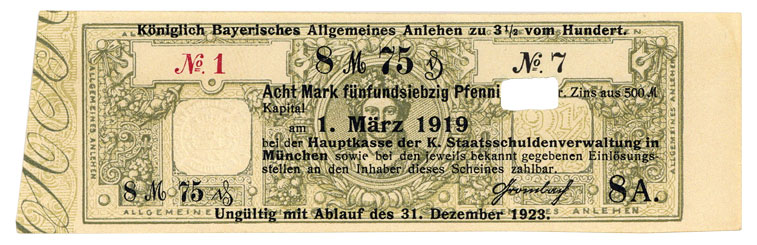
Royal Bavarian General Loan.
8.75 Marks, March 1, 1919.
Condition: rare, I
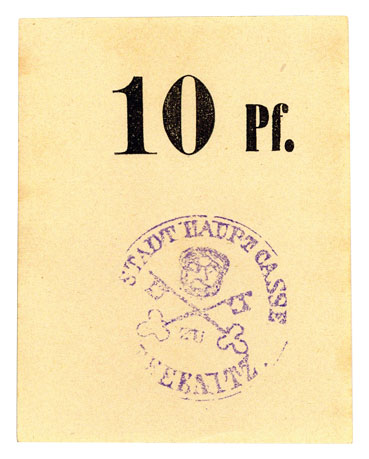
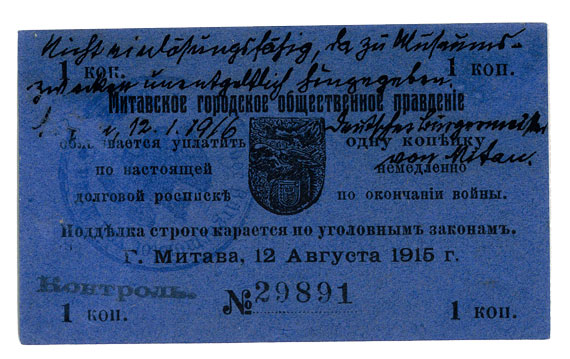
Archive: People and Markets
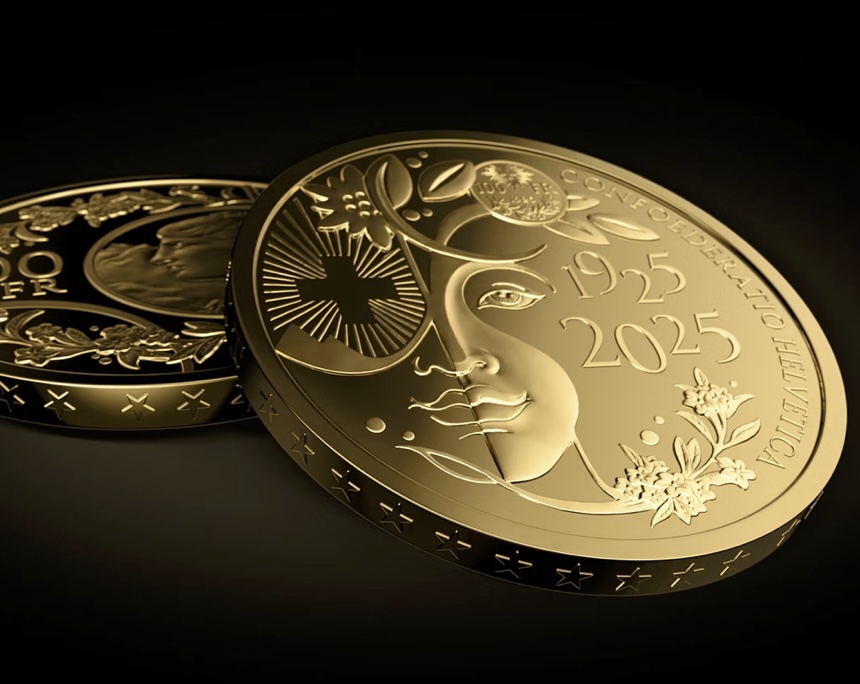
Exclusive Presentation of the Latest Commemorative Coin: The 100-Franc Gold Vreneli Returns After 100 Years
At the World Money Fair, Swissmint unveiled its latest commemorative coin to mark a special anniversary: on 1 July 2025, the coin “100 Years of the 100-Franc Vreneli” will be released – a tribute to the original edition from 1925.
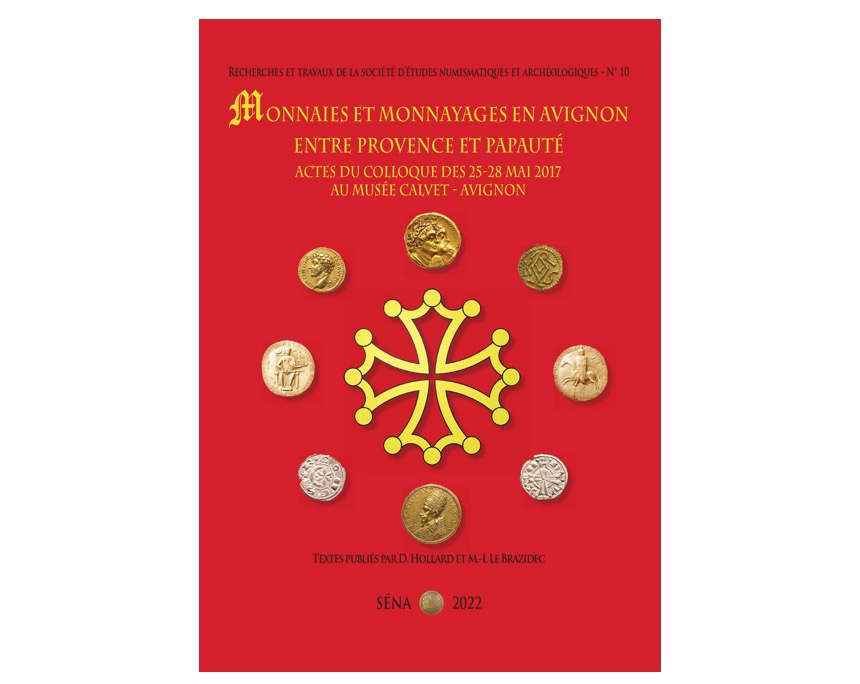
Coins and Mints in Avignon Between Provence and Papacy
The French Society for Numismatic and Archaeological Studies (SÉNA) published the proceedings of their 2017 colloquium. The volume presents various works and studies on the coinage in and around Avignon.
Archive: Coins, Medals and more
 https://new.coinsweekly.com/wp-content/uploads/2024/09/2024KW39HA_00.jpg
684
860
Sebastian Wieschowski
https://new.coinsweekly.com/wp-content/uploads/2023/01/logo-coinsweekly_590x204.png
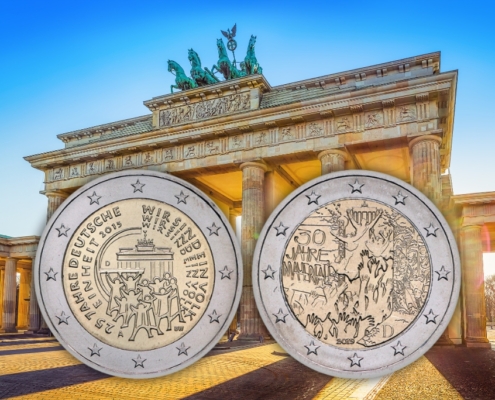
Sebastian Wieschowski2024-09-26 06:00:552024-09-26 09:25:24Unity Coin Sows Discord: More Than Just a Matter of Taste?
https://new.coinsweekly.com/wp-content/uploads/2024/09/2024KW39HA_00.jpg
684
860
Sebastian Wieschowski
https://new.coinsweekly.com/wp-content/uploads/2023/01/logo-coinsweekly_590x204.png
Sebastian Wieschowski2024-09-26 06:00:552024-09-26 09:25:24Unity Coin Sows Discord: More Than Just a Matter of Taste?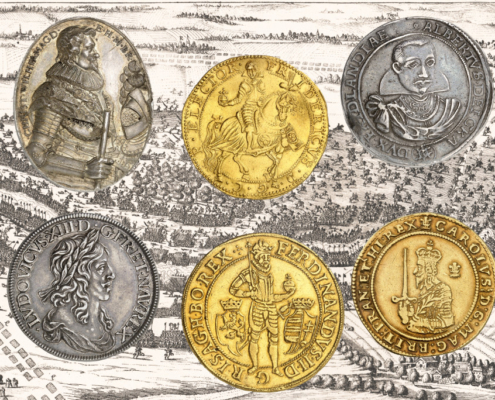 https://new.coinsweekly.com/wp-content/uploads/2024/09/2024KW37HA_00.jpg
684
860
Ursula Kampmann
https://new.coinsweekly.com/wp-content/uploads/2023/01/logo-coinsweekly_590x204.png
Ursula Kampmann2024-09-12 10:23:452024-09-12 10:23:45The Protagonists of the Thirty Years’ War: A Slightly Different Preview of Künker’s Auction 410
https://new.coinsweekly.com/wp-content/uploads/2024/09/2024KW37HA_00.jpg
684
860
Ursula Kampmann
https://new.coinsweekly.com/wp-content/uploads/2023/01/logo-coinsweekly_590x204.png
Ursula Kampmann2024-09-12 10:23:452024-09-12 10:23:45The Protagonists of the Thirty Years’ War: A Slightly Different Preview of Künker’s Auction 410
These Are Japan’s New Banknotes
In April 2023, the Bank of Japan has presented the first specimens of the new banknotes, which will enter circulation in 2024. The 1,000, 5,000, and 10,000 yen denominations will feature new motifs and new security features.
Numismatic Treasures at ANA 2024 Chicago World’s Fair of Money
Preparations are underway for the renowned coin show, hosted by the American Numismatic Association. Highlights include the finest known 1794 Flowing Hair dollar, insured for $15 million, which can be seen before entering a private collection.