






Archive: People and Markets
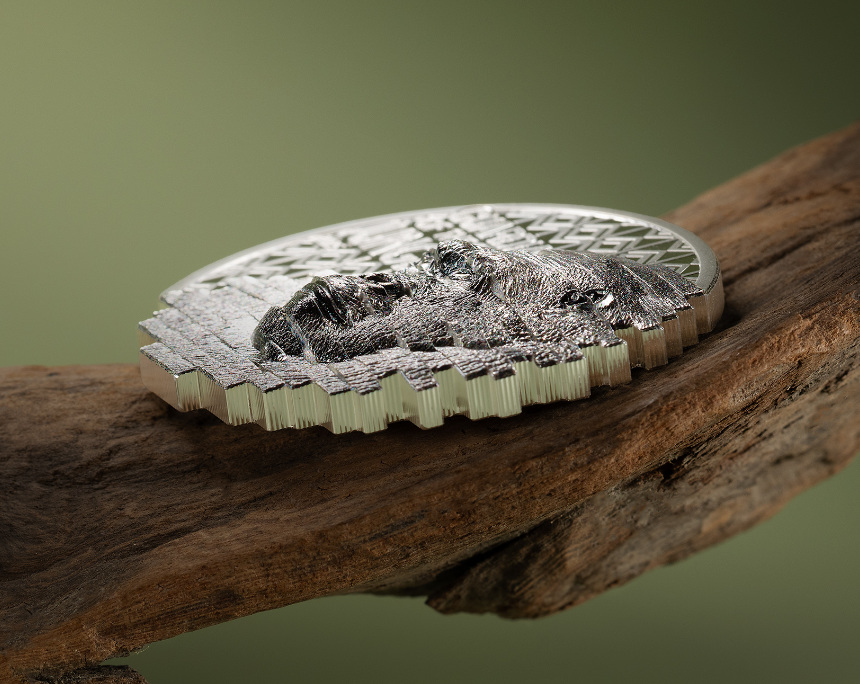
CIT’s Reconstruction – Gorilla
The “Reconstruction” series by CIT will amaze connoisseurs and lovers of innovative minting technology alike. This year will see the release of the second issue in of the series: “Gorilla – Guardian of the Jungle”.
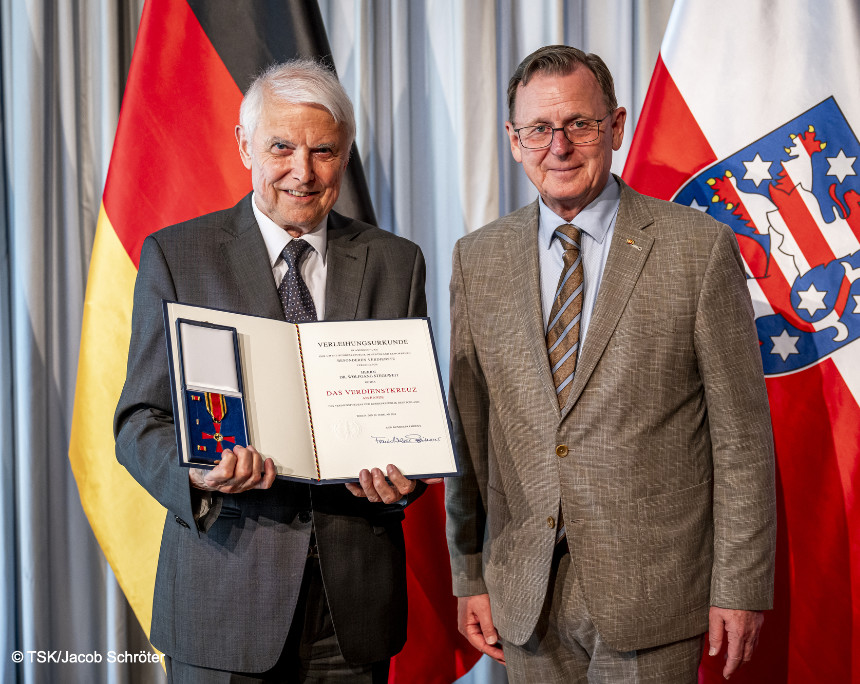
Wolfgang Steguweit Receives the Federal Cross of Merit
The renowned numismatist Wolfgang Steguweit has been awarded the Order of Merit of the Federal Republic of Germany. The German President has thus honoured Steguweit’s cultural achievements – and not only in the field of numismatics.
Archive: Coins, Medals and more
 https://new.coinsweekly.com/wp-content/uploads/2024/07/2024KW28HA_00.jpg
684
860
Ursula Kampmann
https://new.coinsweekly.com/wp-content/uploads/2023/01/logo-coinsweekly_590x204.png
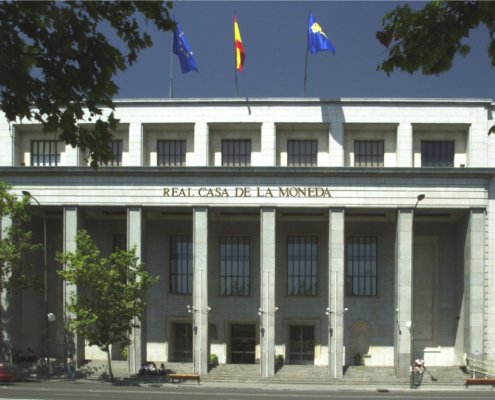
Ursula Kampmann2024-07-11 11:04:462024-07-11 11:19:29The Casa de la Moneda Museum in Madrid
https://new.coinsweekly.com/wp-content/uploads/2024/07/2024KW28HA_00.jpg
684
860
Ursula Kampmann
https://new.coinsweekly.com/wp-content/uploads/2023/01/logo-coinsweekly_590x204.png
Ursula Kampmann2024-07-11 11:04:462024-07-11 11:19:29The Casa de la Moneda Museum in Madrid https://new.coinsweekly.com/wp-content/uploads/2025/06/00-5.jpg
684
860
Lucie Loechel
https://new.coinsweekly.com/wp-content/uploads/2023/01/logo-coinsweekly_590x204.png
Lucie Loechel2025-06-05 08:00:262025-06-05 08:29:19Farewell to the Penny: (No) Impact on Numismatics?
https://new.coinsweekly.com/wp-content/uploads/2025/06/00-5.jpg
684
860
Lucie Loechel
https://new.coinsweekly.com/wp-content/uploads/2023/01/logo-coinsweekly_590x204.png
Lucie Loechel2025-06-05 08:00:262025-06-05 08:29:19Farewell to the Penny: (No) Impact on Numismatics?
IAPN Asks Collectors to Help Protect Roman Coin Collecting
Will Roman coins in general be considered the cultural property of Italy by US Customs unless you can provide extensive proof of ownership? Such concerns are raised by the proposed extension of a Memorandum of Understanding between the US and Italy. The IAPN is calling on collectors to take action.
Precious Metals Future Forum 2025: Between Geopolitical Uncertainty and Digital Transformation
The inaugural Precious Metals Future Forum in Frankfurt has highlighted how profoundly the precious metals industry is undergoing change – economically, geopolitically, and technologically.