






Archive: People and Markets
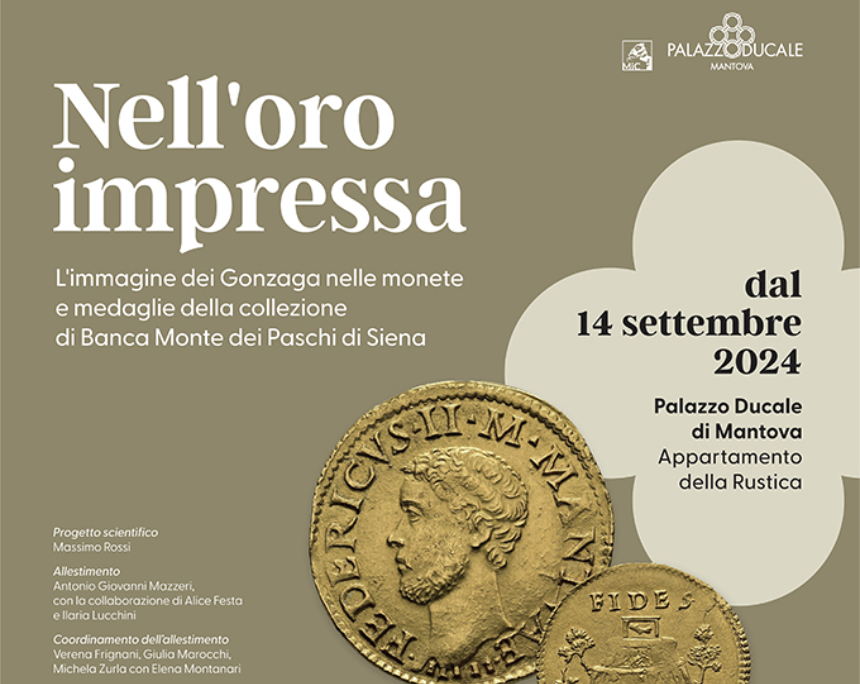
New Permanent Coin Exhibition at the Ducal Palace of Mantua
The most comprehensive collection of Mantua and Gonzaga coins and medals is now on long-term display at the Ducal Palace of Mantua. The exhibition is curated by numismatist Massimo Rossi.
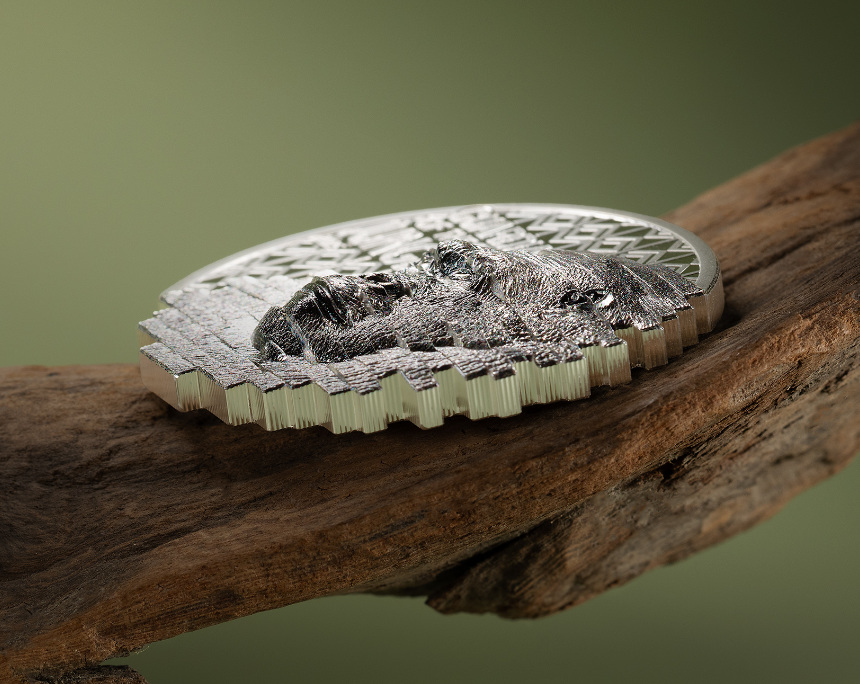
CIT’s Reconstruction – Gorilla
The “Reconstruction” series by CIT will amaze connoisseurs and lovers of innovative minting technology alike. This year will see the release of the second issue in of the series: “Gorilla – Guardian of the Jungle”.
Archive: Coins, Medals and more
 https://new.coinsweekly.com/wp-content/uploads/2024/11/2024KW46HA1_00.jpg
684
860
Lucie Loechel
https://new.coinsweekly.com/wp-content/uploads/2023/01/logo-coinsweekly_590x204.png
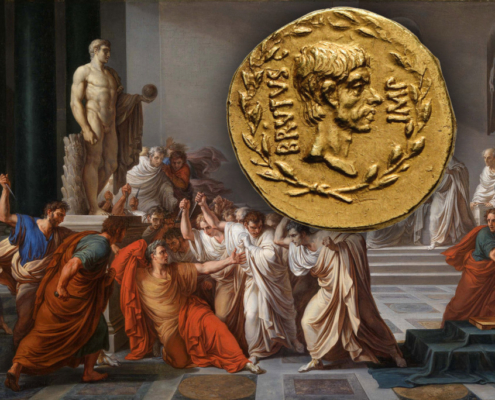
Lucie Loechel2024-11-14 10:03:272024-11-14 10:11:12The Eve of the Battle of Philippi: An Aureus Featuring the Portrait of Brutus
https://new.coinsweekly.com/wp-content/uploads/2024/11/2024KW46HA1_00.jpg
684
860
Lucie Loechel
https://new.coinsweekly.com/wp-content/uploads/2023/01/logo-coinsweekly_590x204.png
Lucie Loechel2024-11-14 10:03:272024-11-14 10:11:12The Eve of the Battle of Philippi: An Aureus Featuring the Portrait of Brutus
New Issues From Croatia: Halubje Bell Ringers to Chase Away the Winter
Croatia has a unique carnival tradition. Masked figures chase away the winter with their large bells. These bell ringers have been on the UNESCO Intangible Cultural Heritage List since 2009. The Croatian Mint dedicates three commemorative coins to them, issued on 18 February 2025.
51st Auction by Münzen & Medaillen GmbH Rescheduled
The 51st auction of Münzen & Medaillen GmbH in Weil am Rhein will no longer take place as originally planned on November 4, 2024. The new auction date is December 4, 2024.