







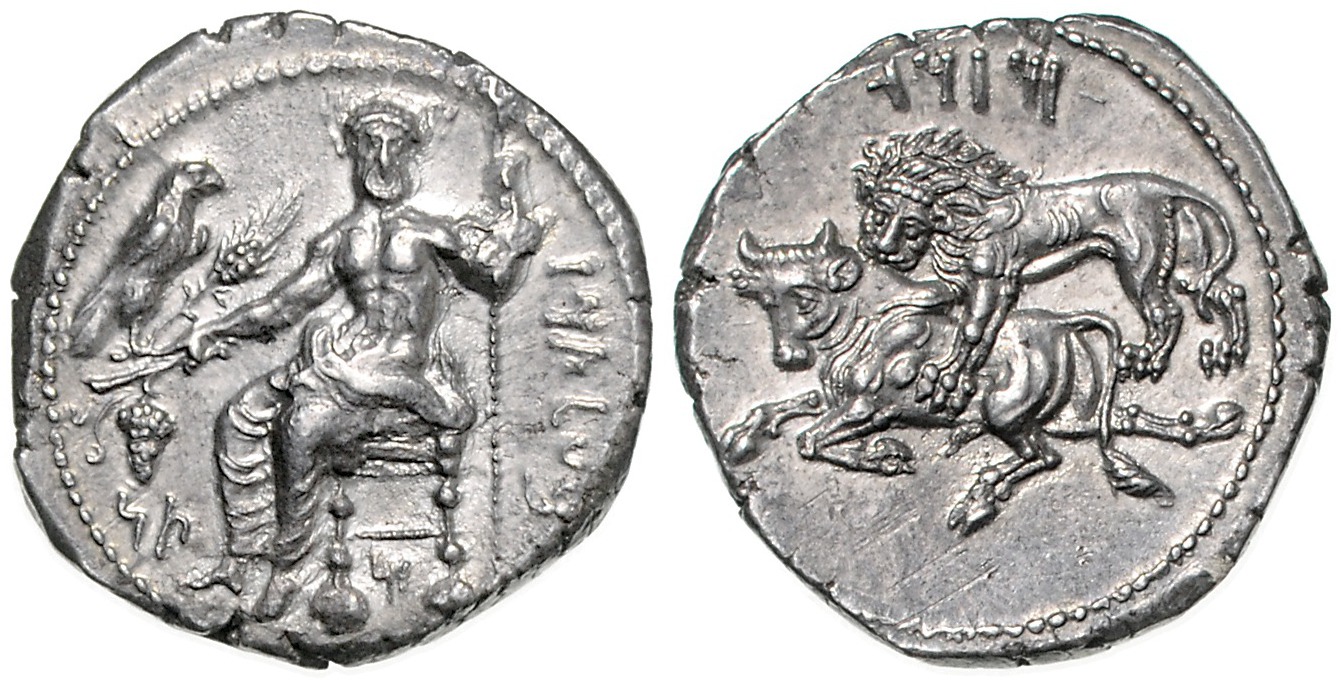
Persian satrap Mazzaios.
AR Stater (361-334 BC)
with Baal of Tarsus.
Condition: ef.
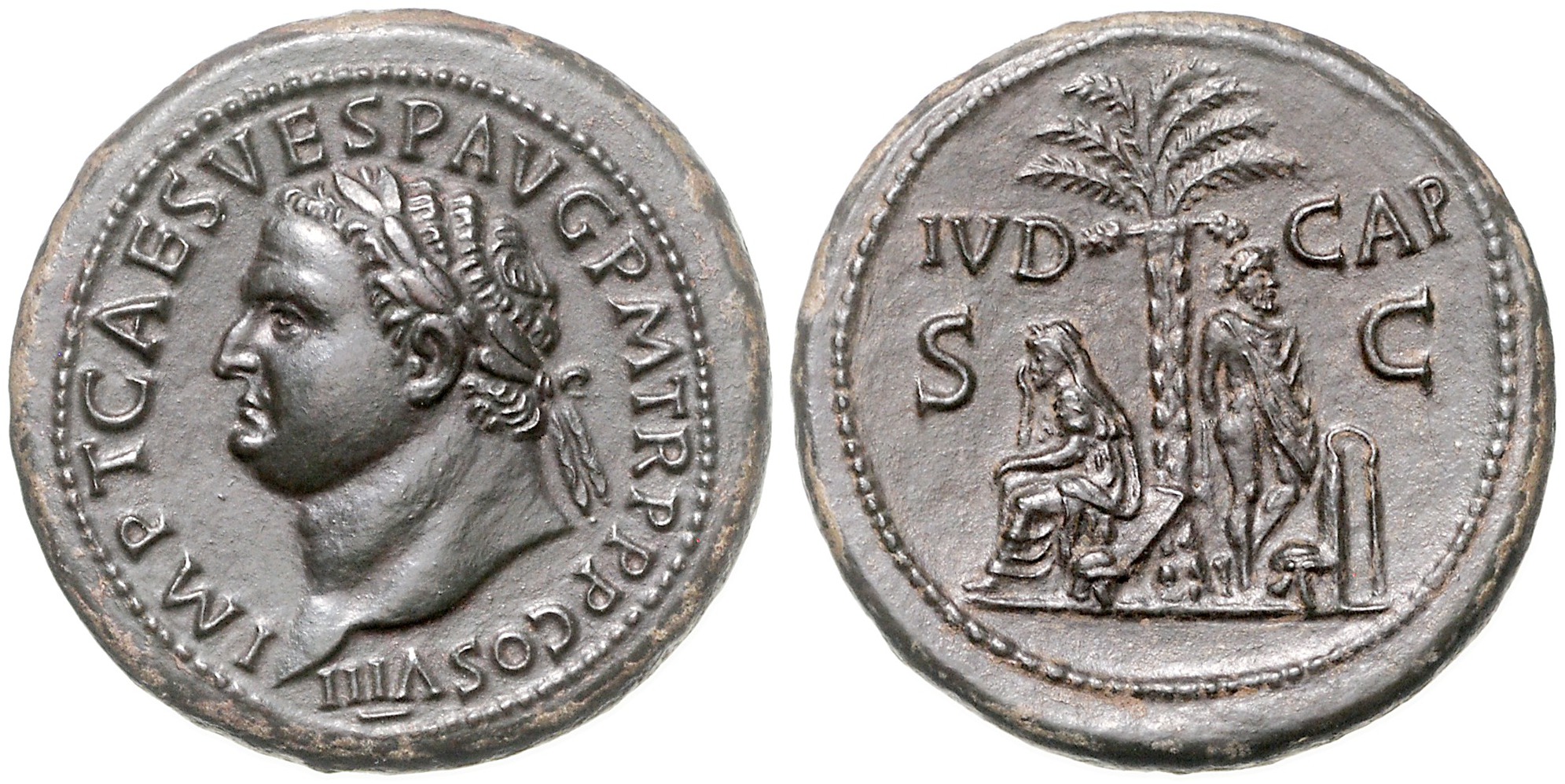
AE Sestertius (AD 80–81), Rome.
"Judaea Capta" type.
Condition: rare, ef.
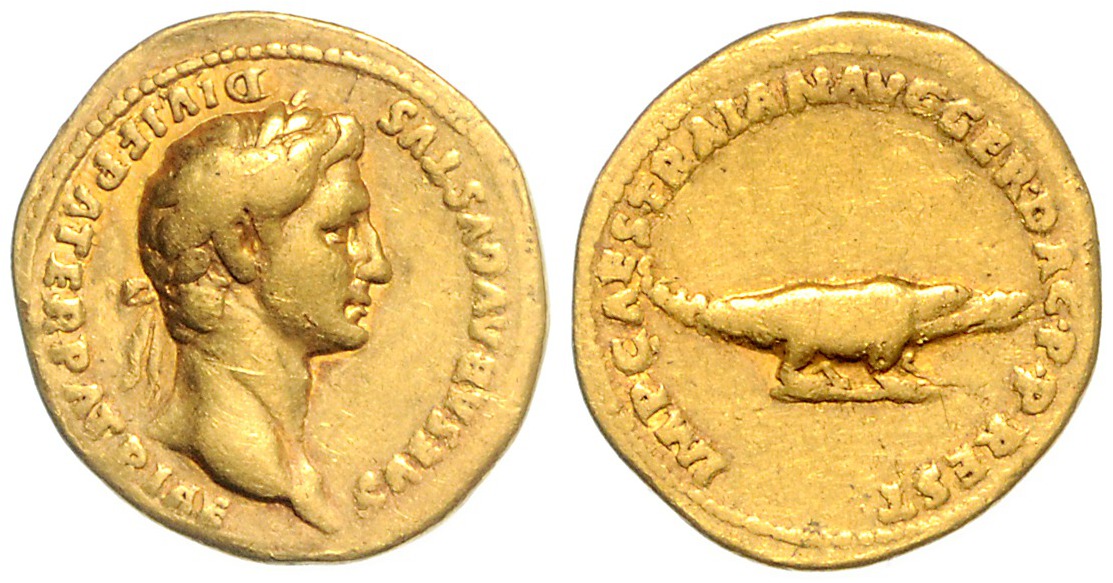
AV Aureus (AD 107–113), Rome.
Restitution issue honoring Augustus.
Condition: extremely rare, near vf.
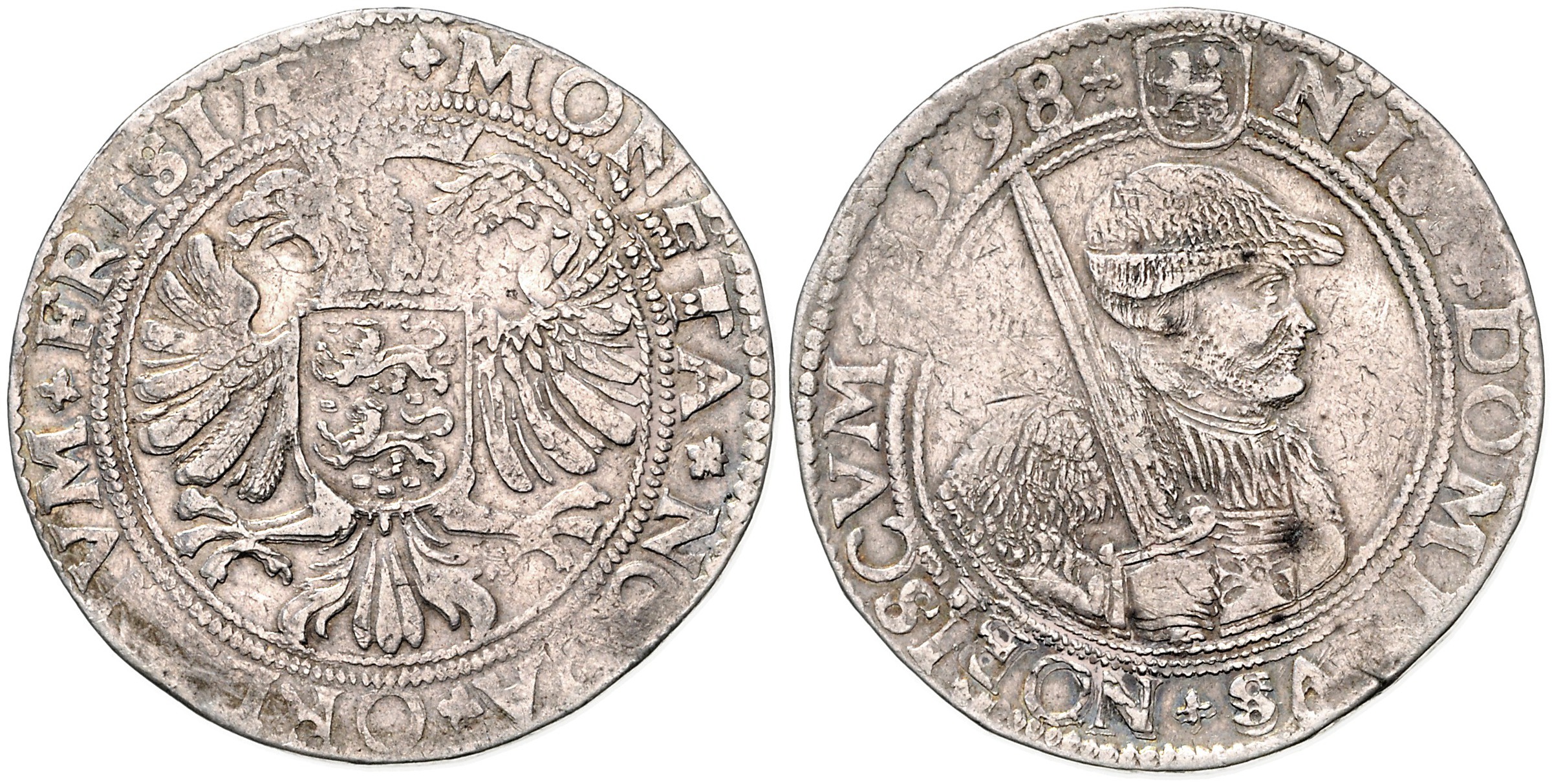
Arendsrijksdaalder (Eagle Rixdollar), 1598.
Condition: very rare, vf.
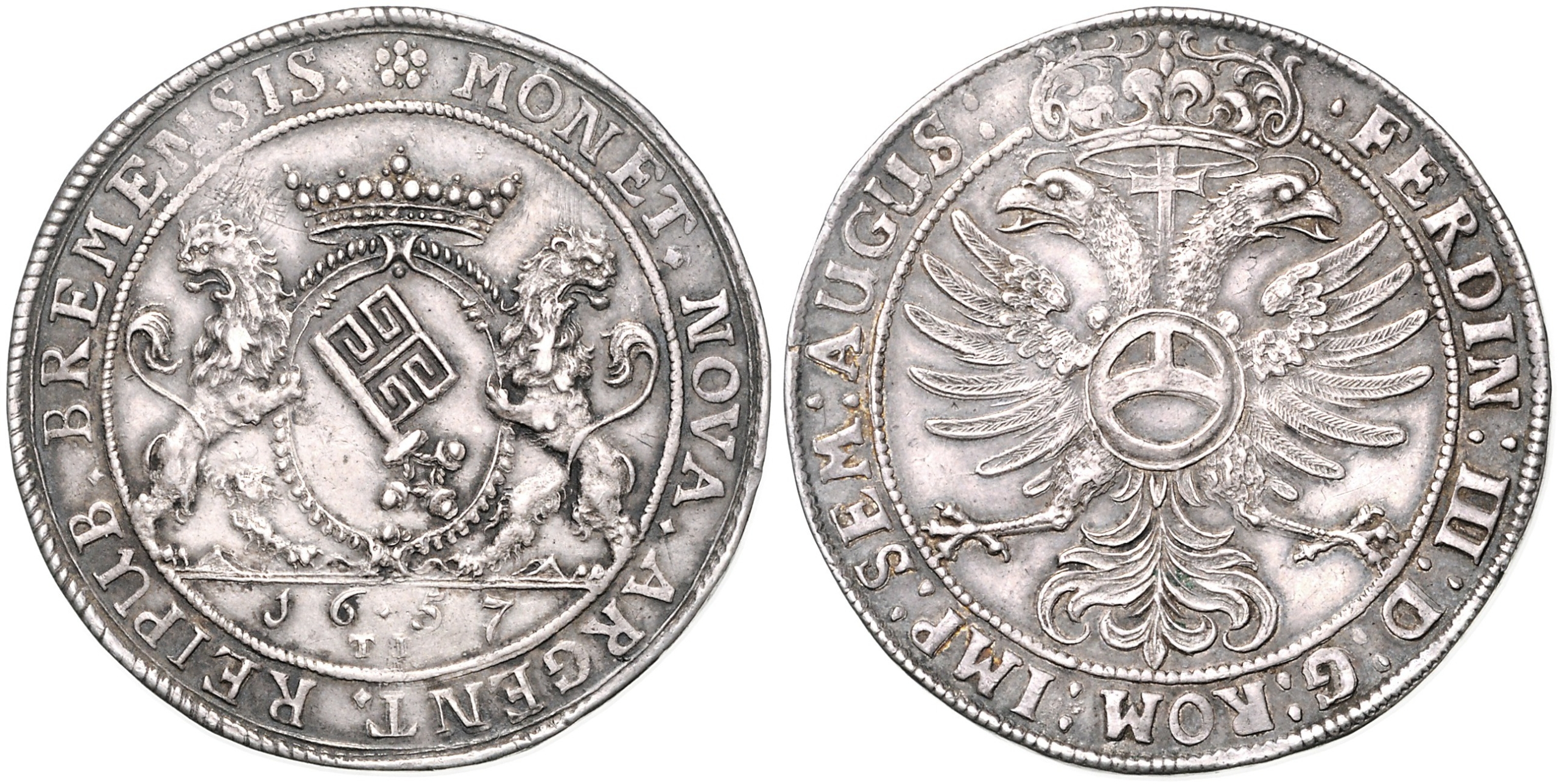
Thaler, 1657.
Bearing the title of Ferdinand III.
Condition: near ef/ef.
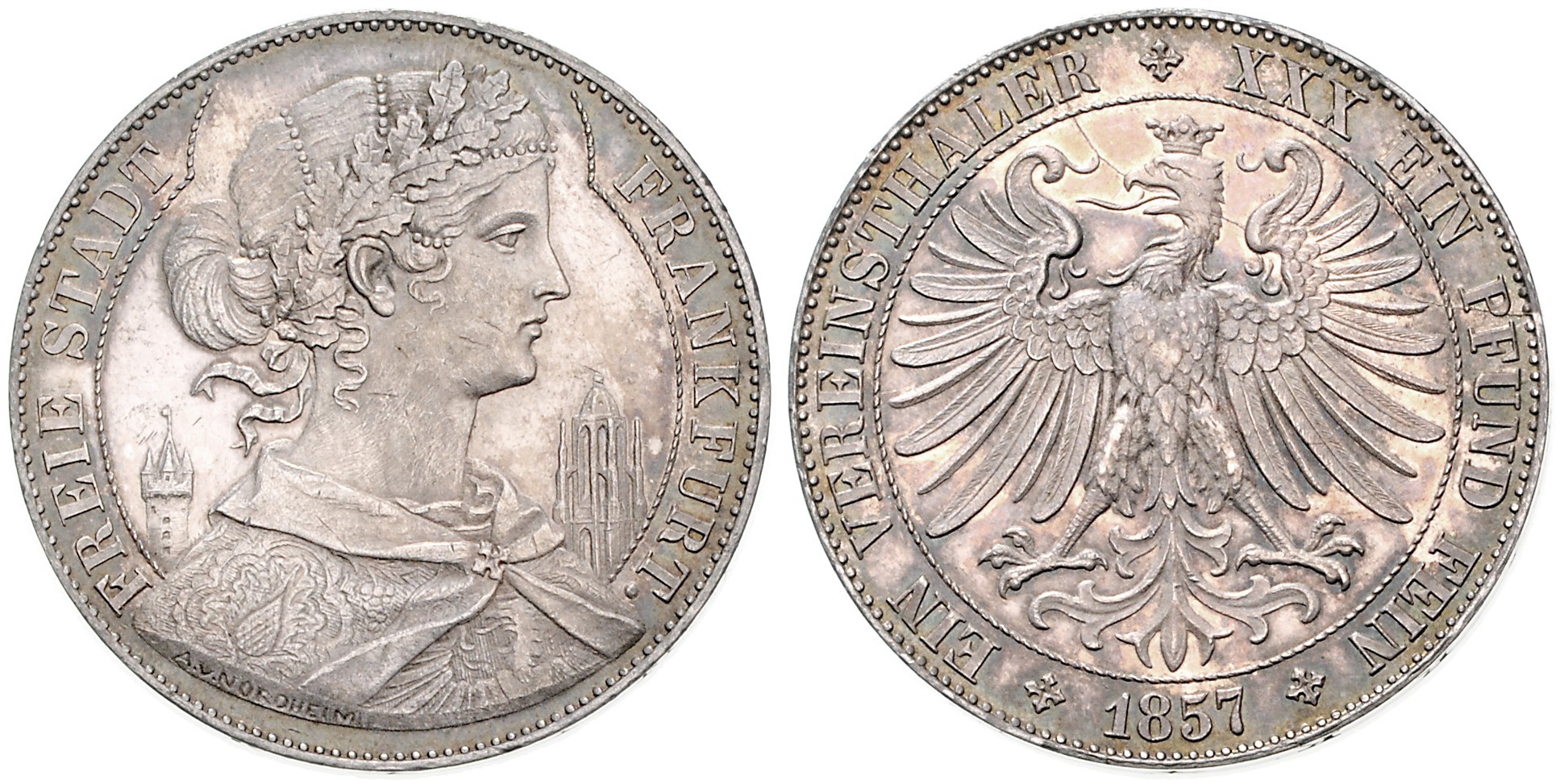
Vereinstaler 1857.
Condition: attr. piece, first strike.
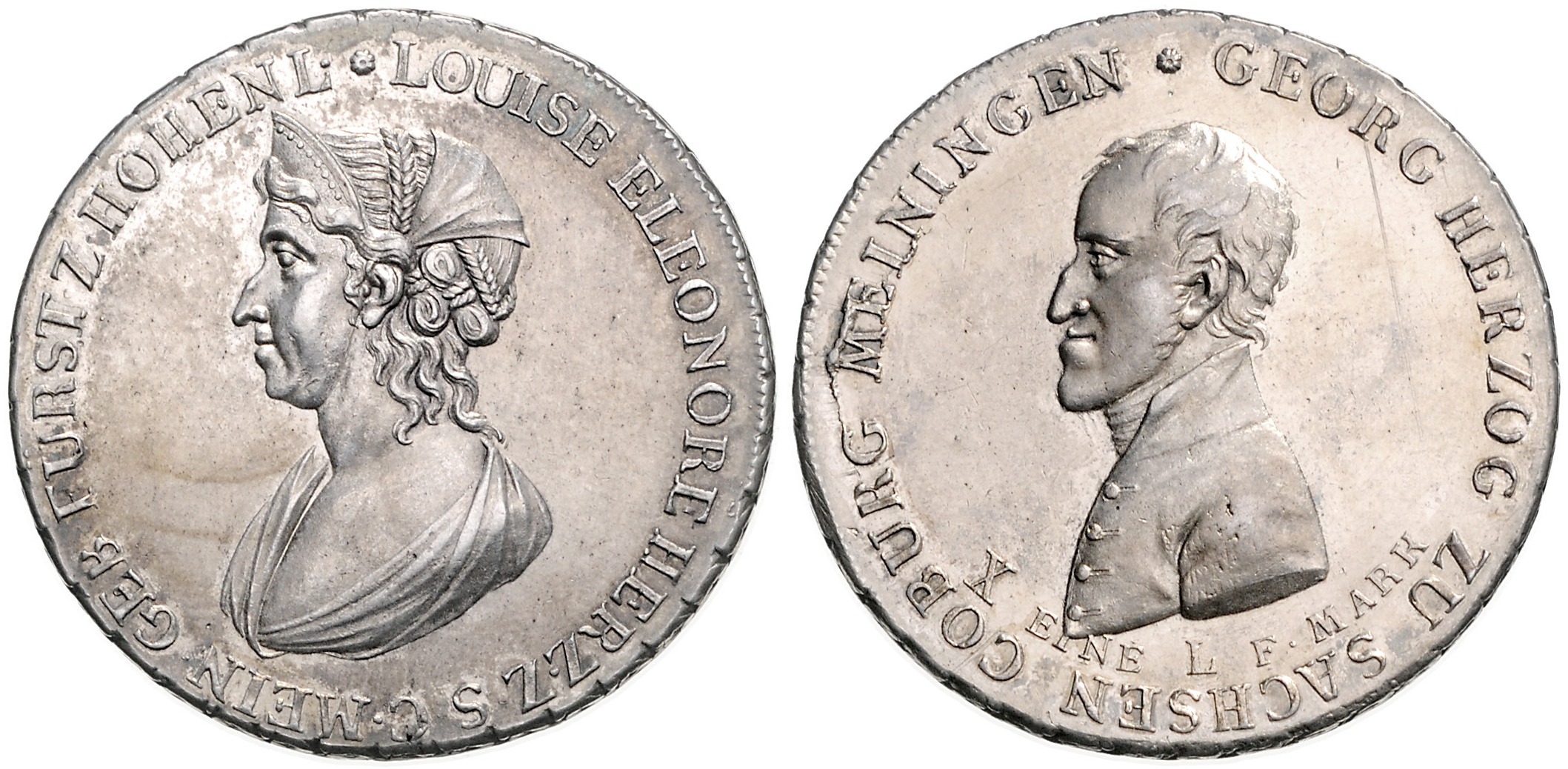
Convention thaler, n.d. (after 1803),
issued on the death of Duke Georg.
Condition: extremely rare, unc.
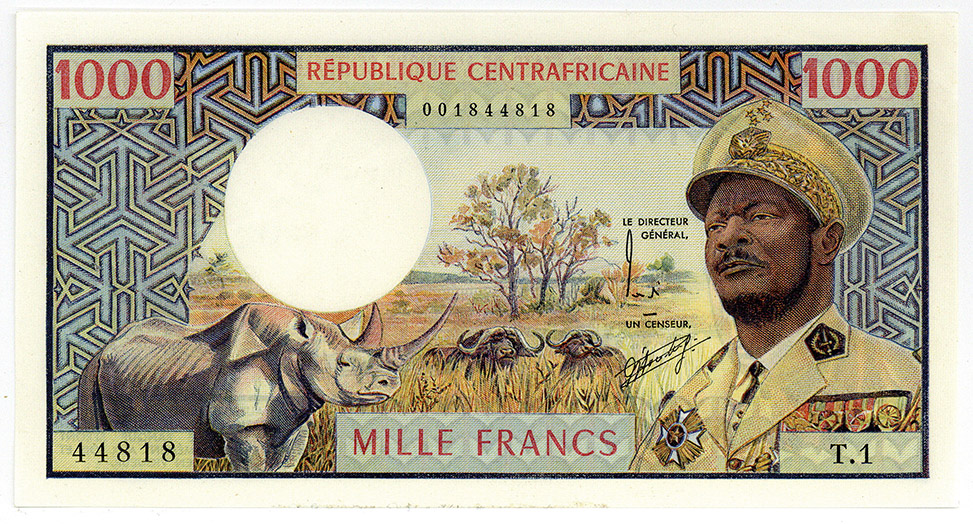
Banque des États de l'Afrique Centrale,
1000 francs 1974.
Condition: I-.
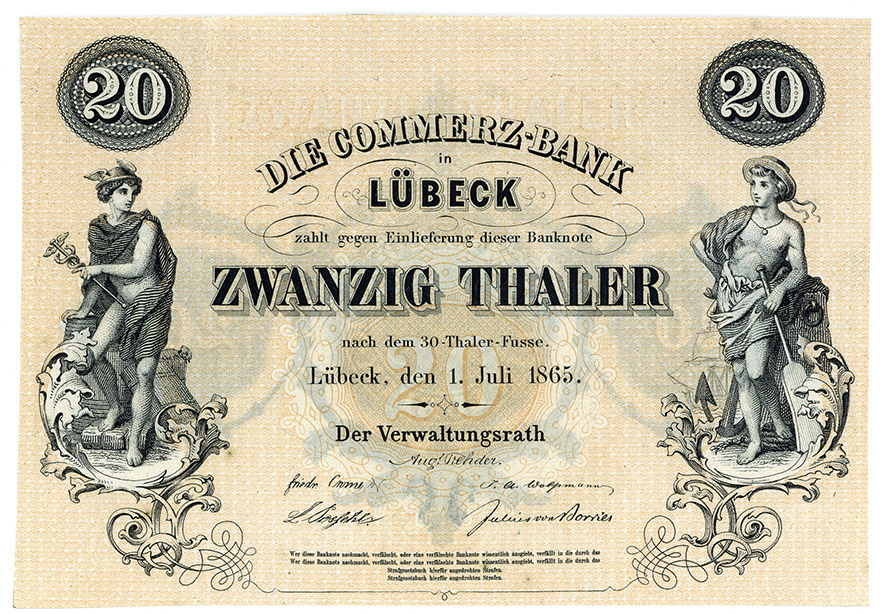
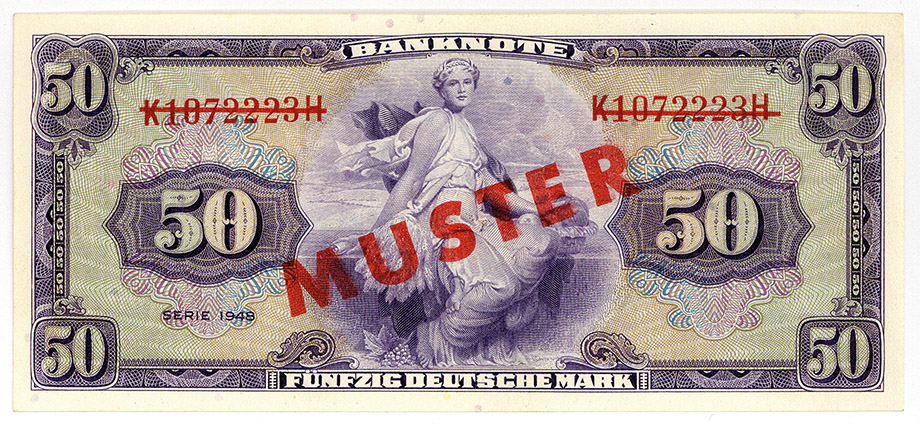
Archive: People and Markets
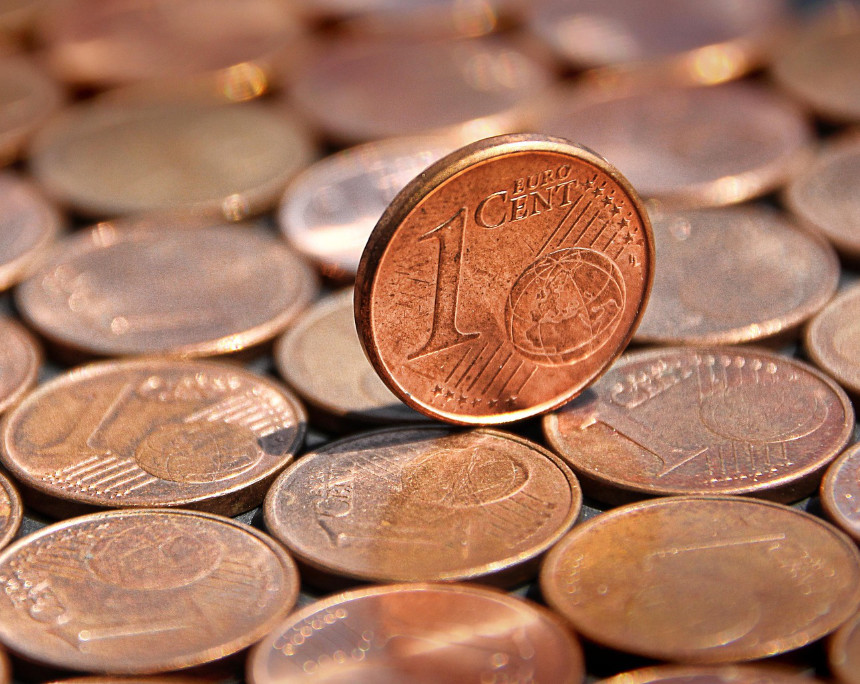
Will Germany Abolish the 1 and 2 Cent Coins?
We Germans still like to pay with cash, but like in many other countries, the 1 and 2 cent coins are unpopular. The important National Cash Forum has now spoken out in favor of their de facto abolition. Read here how cash transactions would change in practice.
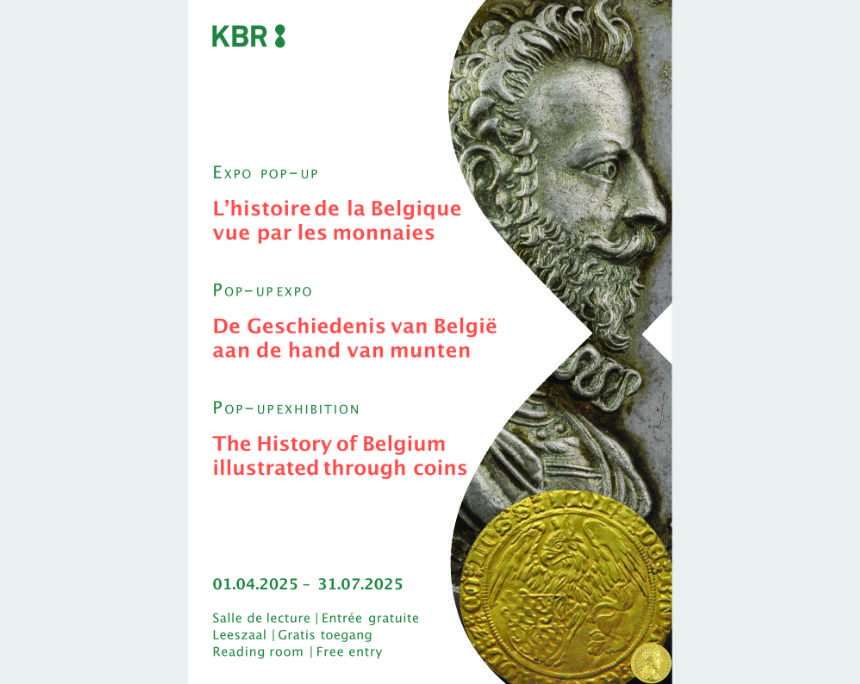
Pop-Up Expo at the Royal Library of Belgium: The Past in Metal
The Department of Coins & Medals at the Royal Library of Belgium (KBR) invites you on a journey through Belgium’s history via coins – from the ancient Eburones to emergency money from the Eighty Years’ War and objects used as currency in colonial Congo.
Archive: Coins, Medals and more
 https://new.coinsweekly.com/wp-content/uploads/2024/03/2024KW10HA_00.jpg
684
860
Ursula Kampmann
https://new.coinsweekly.com/wp-content/uploads/2023/01/logo-coinsweekly_590x204.png
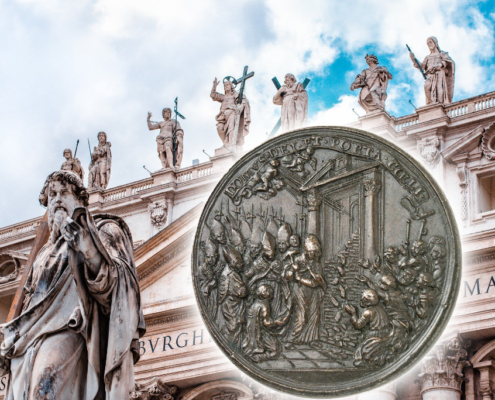
Ursula Kampmann2024-03-07 11:39:512024-03-07 14:21:30Coins and Medals of the Popes: Representatives of the Catholic Church

Two Robberies in Two Days – French Museums Targeted by Criminals
Last week, two museums in France were robbed. The museums were helpless in the face of the criminals’ ruthless brutality. Is it even possible to protect our cultural heritage in this day and age?
Croatia’s New “Lace-Making in Croatia” Gold Coins
Croatia has released three new gold commemorative coins to pay tribute to lace-making, a tradition recognised by UNESCO. The manufacture of lace in Pag, Hvar, and Lepoglava has been part of the Intangible Cultural Heritage of Humanity since 2009.