






Archive: People and Markets
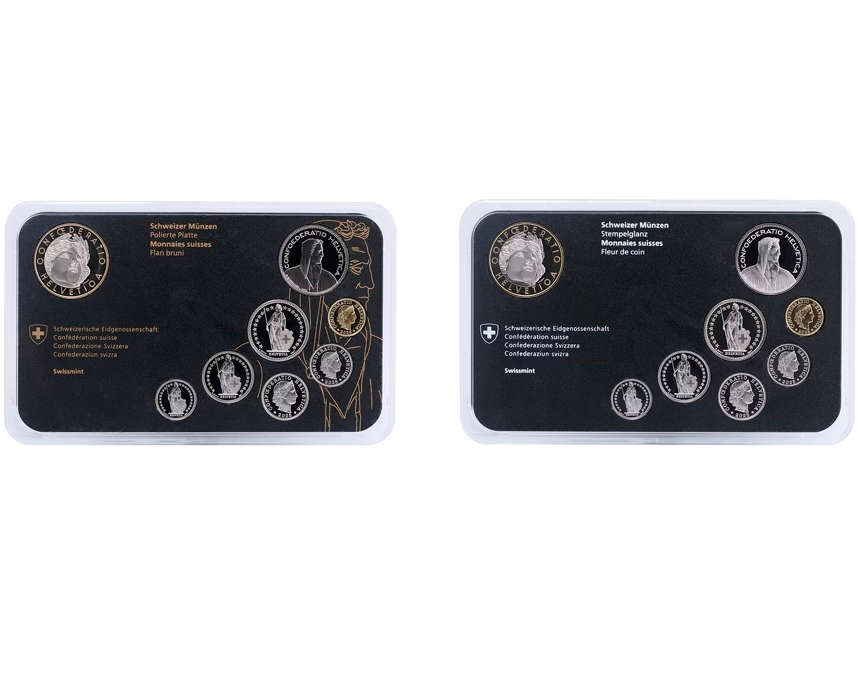
Swissmint Issue Programme 2025
Swissmint unveils its issue programme for 2025, featuring six commemorative coins across various denominations.
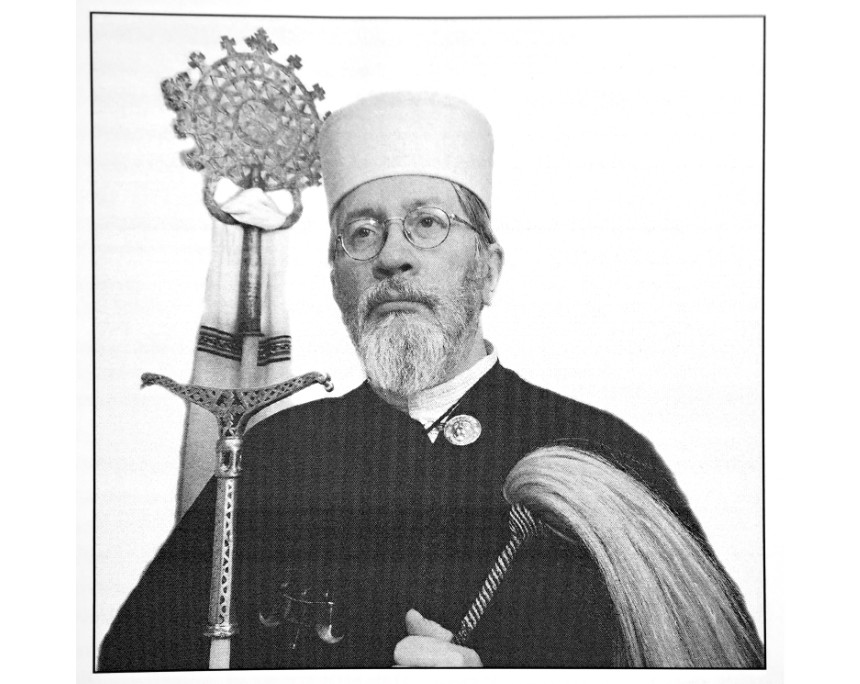
Celebrating Wolfgang Hahn’s 80th Birthday
There are numismatists who are an integral part of the numismatic world. One of them is Wolfgang Hahn, who shaped the fate of the Department of Numismatics and Monetary History in Vienna from 1990 to 2010. On 12 March 2025, he celebrated his 80th birthday.
Archive: Coins, Medals and more
 https://new.coinsweekly.com/wp-content/uploads/2025/05/2025KW19HA01_00.jpg
684
860
Lucie Loechel
https://new.coinsweekly.com/wp-content/uploads/2023/01/logo-coinsweekly_590x204.png
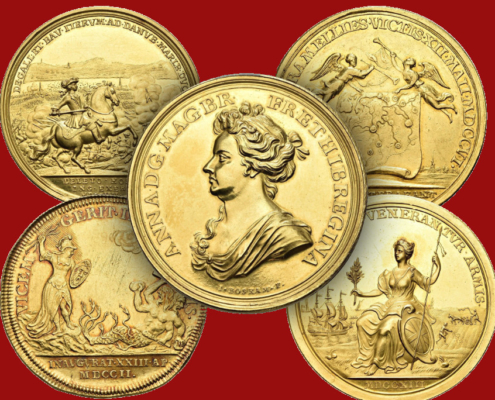
Lucie Loechel2025-05-08 10:15:222025-05-08 10:15:22Queen Anne: Great Britain on Its Way to Becoming a Global Power
https://new.coinsweekly.com/wp-content/uploads/2025/05/2025KW19HA01_00.jpg
684
860
Lucie Loechel
https://new.coinsweekly.com/wp-content/uploads/2023/01/logo-coinsweekly_590x204.png
Lucie Loechel2025-05-08 10:15:222025-05-08 10:15:22Queen Anne: Great Britain on Its Way to Becoming a Global Power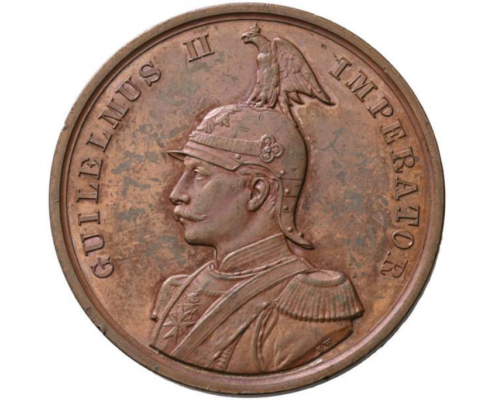 https://new.coinsweekly.com/wp-content/uploads/2025/05/2025KW19HA02_00.jpg
684
860
Lucie Loechel
https://new.coinsweekly.com/wp-content/uploads/2023/01/logo-coinsweekly_590x204.png
Lucie Loechel2025-05-08 08:00:522025-05-13 09:38:02Pattern of the First-Class Warrior Medal – A Previously Unknown Relic of German Colonial History
https://new.coinsweekly.com/wp-content/uploads/2025/05/2025KW19HA02_00.jpg
684
860
Lucie Loechel
https://new.coinsweekly.com/wp-content/uploads/2023/01/logo-coinsweekly_590x204.png
Lucie Loechel2025-05-08 08:00:522025-05-13 09:38:02Pattern of the First-Class Warrior Medal – A Previously Unknown Relic of German Colonial History
CIT’s Yin and Yang
With Yin and Yang, CIT presents a completely new interpretation of a time-honored theme. The piece owes its special aesthetics to the brilliant combination of Proof smartminting® and Black Proof smartminting®.
CIT’s Historical Monuments – Taj Mahal
The Taj Mahal is considered the most beautiful testimony to Islamic architecture in India and a symbol of love in stone. CIT chose this wonderful building as the subject of the 2025 issue in the Historical Monuments series.