







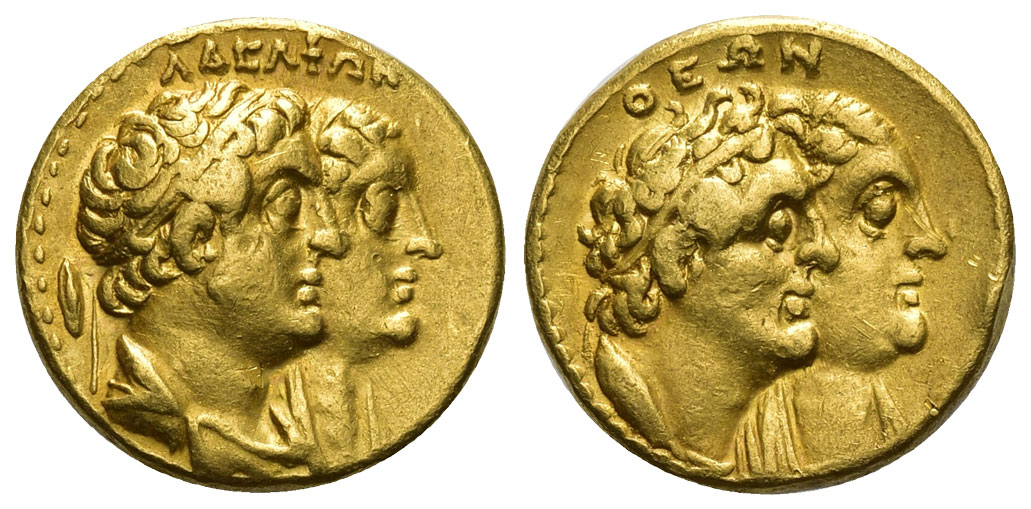
AV Tetradrachm (282–272 BC),
King Ptolemy II and Queen Arsinoe II.
From the major collection of Alexandria mint.
Condition: vf+
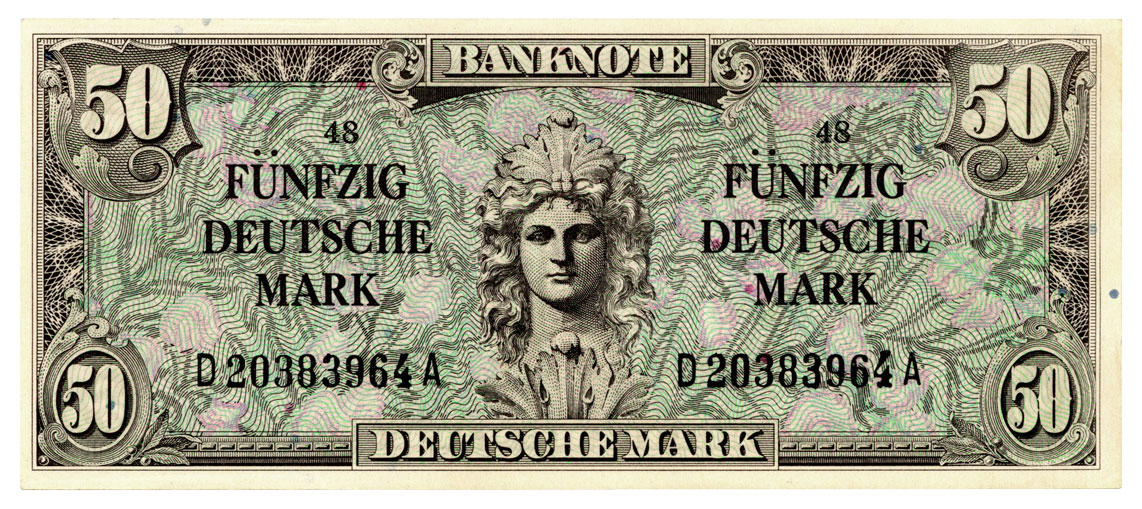
50 Deutsche Mark o.D. ( 1948-1949) "Liberty".
Condition: extremly rare, I
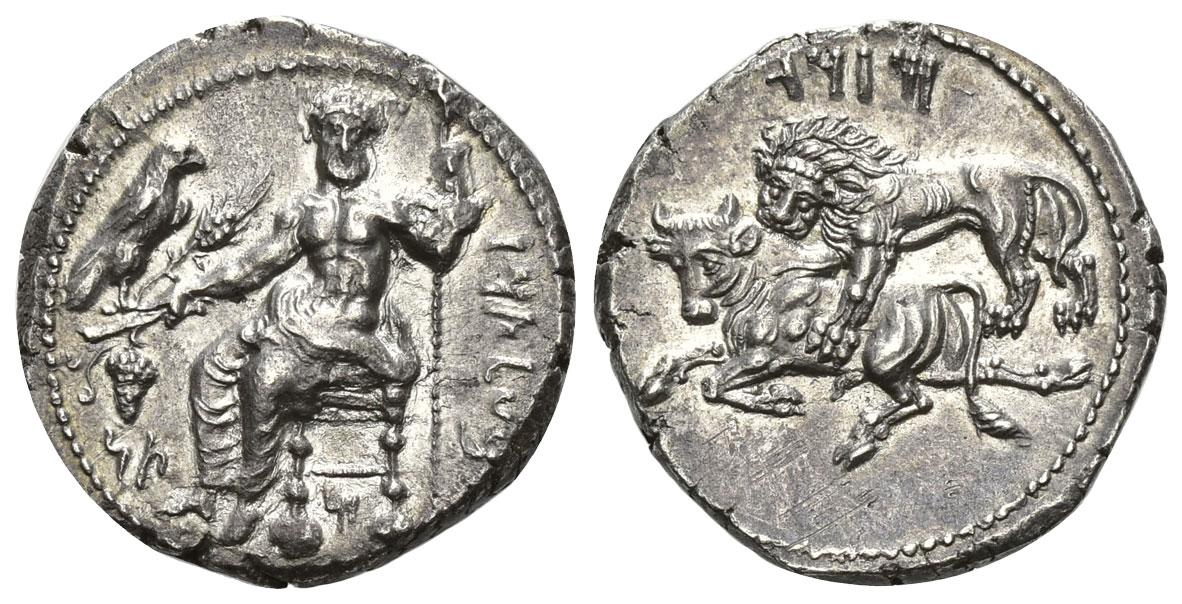
AR Stater (361-334 BC).
Obv. Baal of Tarsos.
Conditon: ef
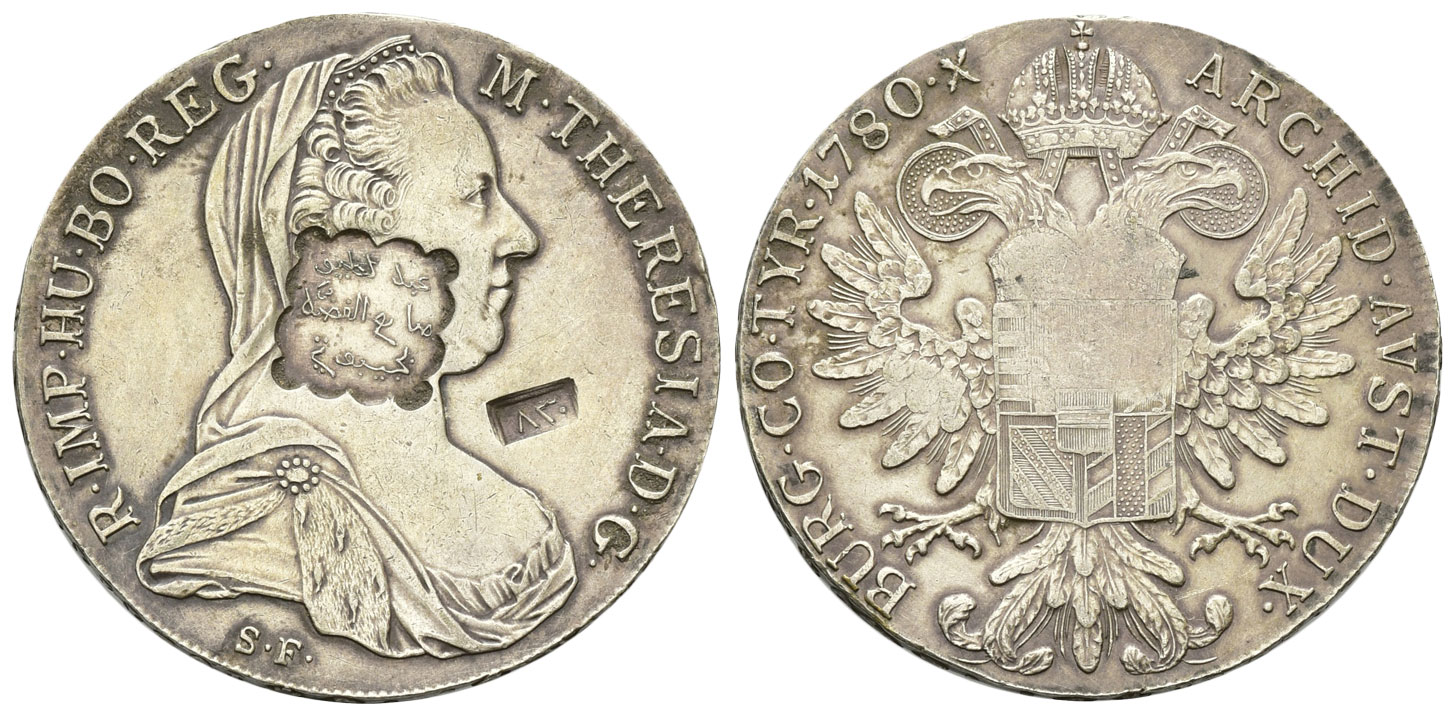
Taler 1780 SF
with counter stamp Djibouti (1870-1900).
Condition: vf
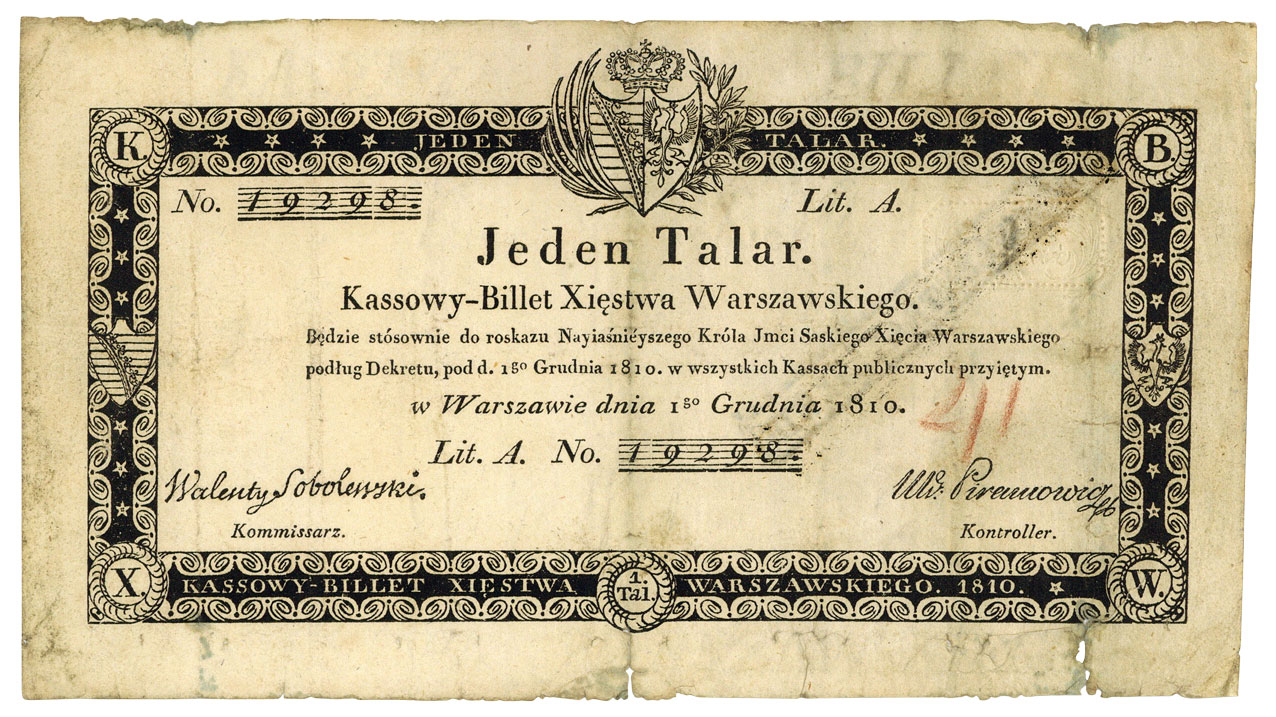
1 Talar 1. December 1810.
Condition: III-IV
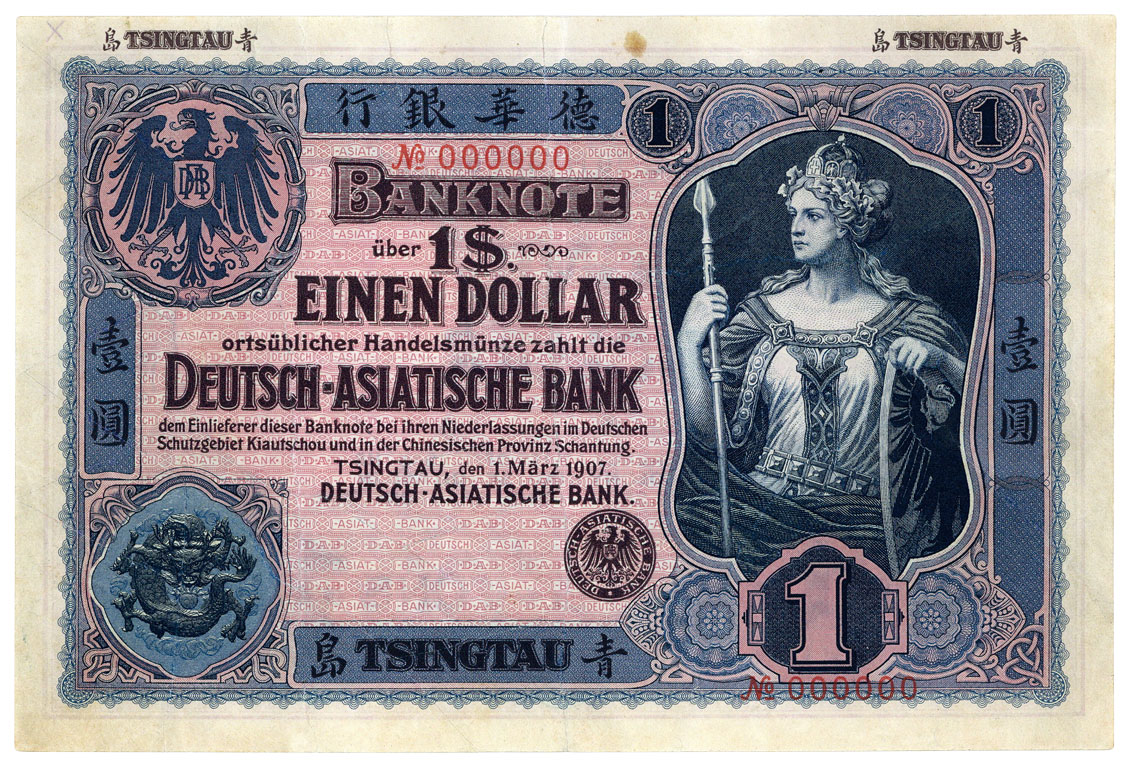
1 Dollar 1.3.1907, Tsingtao.
Condition: very rare, restored
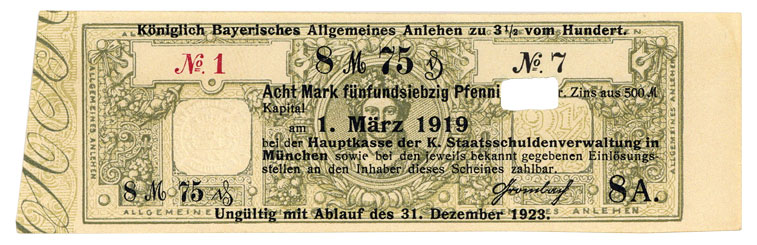
Royal Bavarian General Loan.
8.75 Marks, March 1, 1919.
Condition: rare, I
Archive: People and Markets

Further Thefts at Royal Coin Cabinet Brought to Trial
The systematic thefts at the Royal Coin Cabinet in Stockholm were not committed by one single person. Another employee helped himself to some objects. At present, prosecutors are trying to prove the man stole coins worth more than 3.8 million Swedish kronor, including a Russian family ruble which sold for 510,000 SEK in 2009.
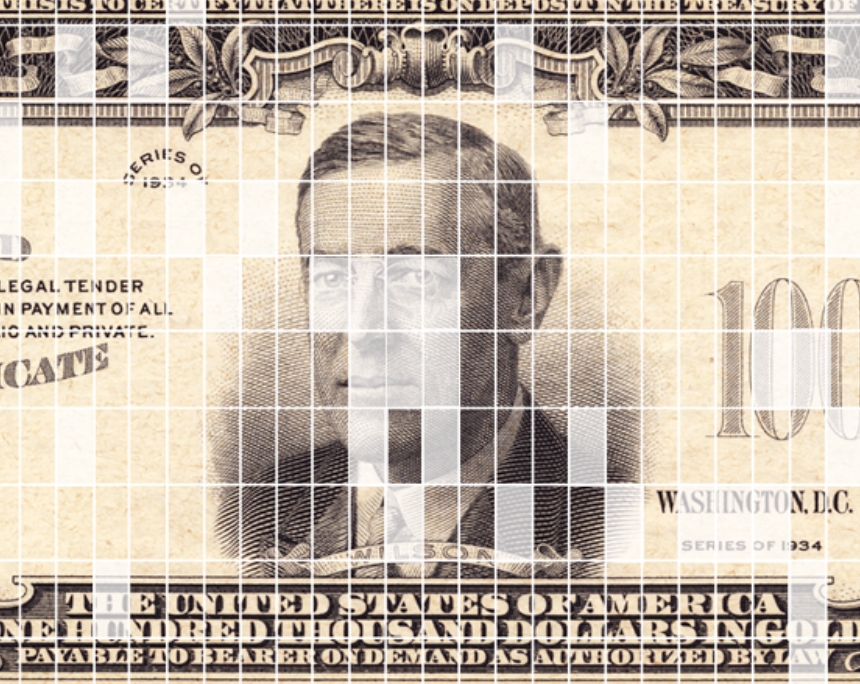
A Historic Unique Piece Offered for Shared Ownership – A Model for the Future?
A US coin dealer is offering co-ownership shares in a top rarity: shareholders can even choose their desired piece of a rare $100,000 gold certificate.
Archive: Coins, Medals and more
 https://new.coinsweekly.com/wp-content/uploads/2024/05/2024KW20HA_00.jpg
684
860
Ursula Kampmann
https://new.coinsweekly.com/wp-content/uploads/2023/01/logo-coinsweekly_590x204.png
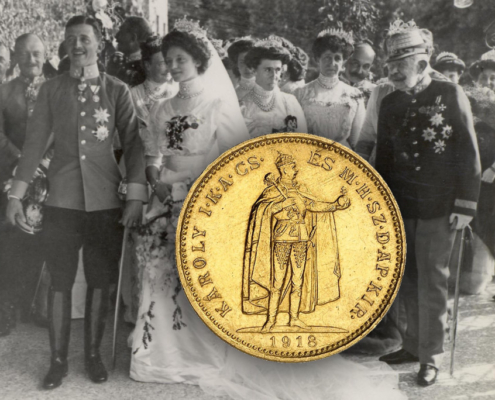
Ursula Kampmann2024-05-16 10:22:052024-05-16 10:35:23Charles I of Austria-Hungary: A Hapless Emperor Who Was Beatified
https://new.coinsweekly.com/wp-content/uploads/2024/05/2024KW20HA_00.jpg
684
860
Ursula Kampmann
https://new.coinsweekly.com/wp-content/uploads/2023/01/logo-coinsweekly_590x204.png
Ursula Kampmann2024-05-16 10:22:052024-05-16 10:35:23Charles I of Austria-Hungary: A Hapless Emperor Who Was Beatified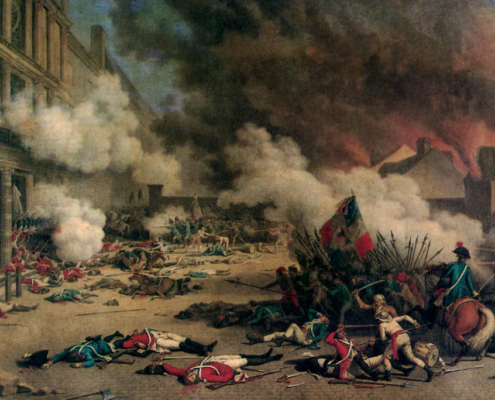 https://new.coinsweekly.com/wp-content/uploads/2023/07/2023KW30HA_00.jpg
684
860
Ursula Kampmann
https://new.coinsweekly.com/wp-content/uploads/2023/01/logo-coinsweekly_590x204.png
Ursula Kampmann2023-07-27 09:11:342023-07-27 09:11:34French History in Coins – Part 1: Kings, Consuls and Emperors
https://new.coinsweekly.com/wp-content/uploads/2023/07/2023KW30HA_00.jpg
684
860
Ursula Kampmann
https://new.coinsweekly.com/wp-content/uploads/2023/01/logo-coinsweekly_590x204.png
Ursula Kampmann2023-07-27 09:11:342023-07-27 09:11:34French History in Coins – Part 1: Kings, Consuls and Emperors
Coin Shop Looted in Michigan
The Numismatic Crime Information Center notifies the numismatic community about a burglary at a coin shop in South Eastern Michigan on 16 December.
Where Did Silver Come from in Early Medieval Europe?
In the mid-7th century, a veritable silver coin boom set off in the North Sea Region. So far, the question of where the silver for the coins came from was up for speculation. A new study provides concrete results.