







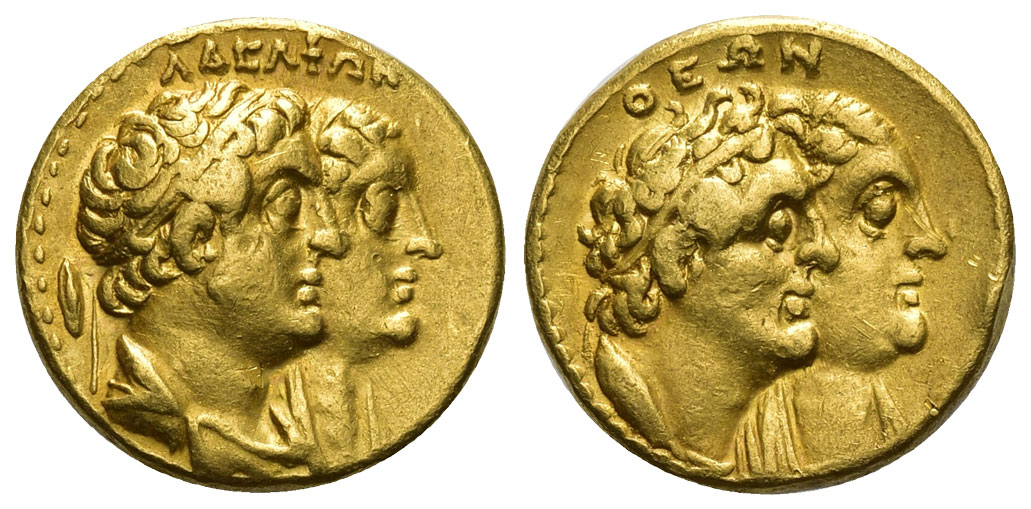
AV Tetradrachm (282–272 BC),
King Ptolemy II and Queen Arsinoe II.
From the major collection of Alexandria mint.
Condition: vf+
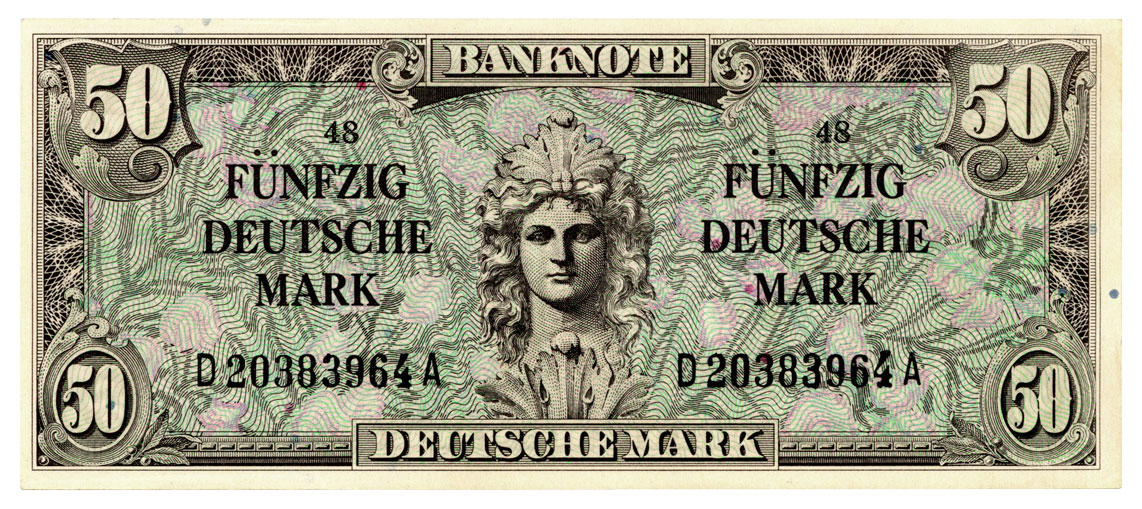
50 Deutsche Mark o.D. ( 1948-1949) "Liberty".
Condition: extremly rare, I
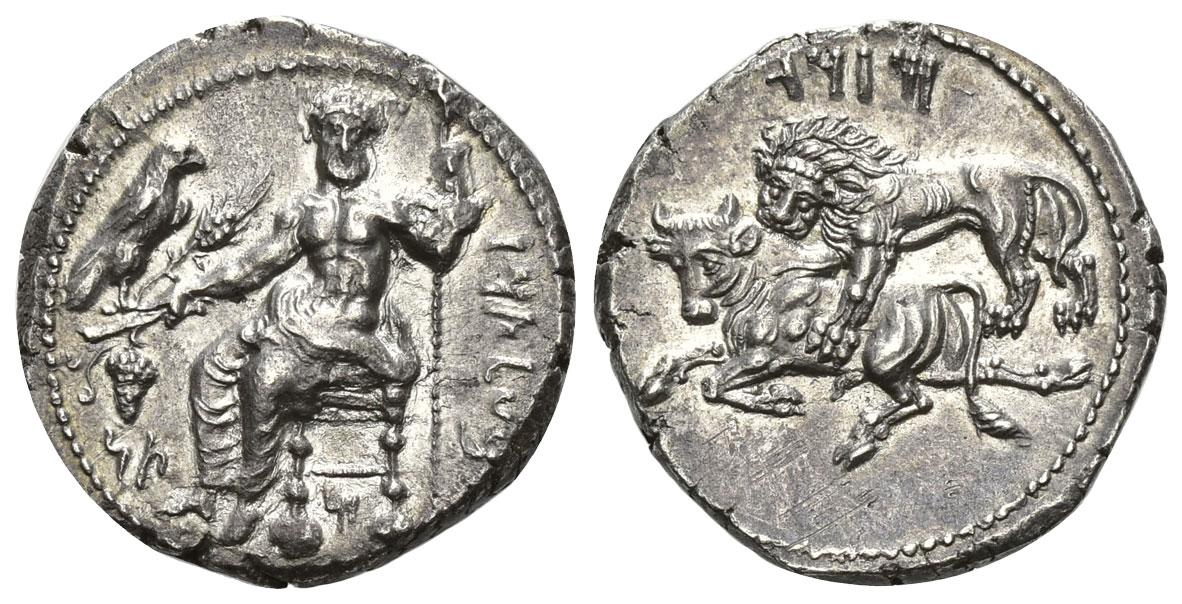
AR Stater (361-334 BC).
Obv. Baal of Tarsos.
Conditon: ef
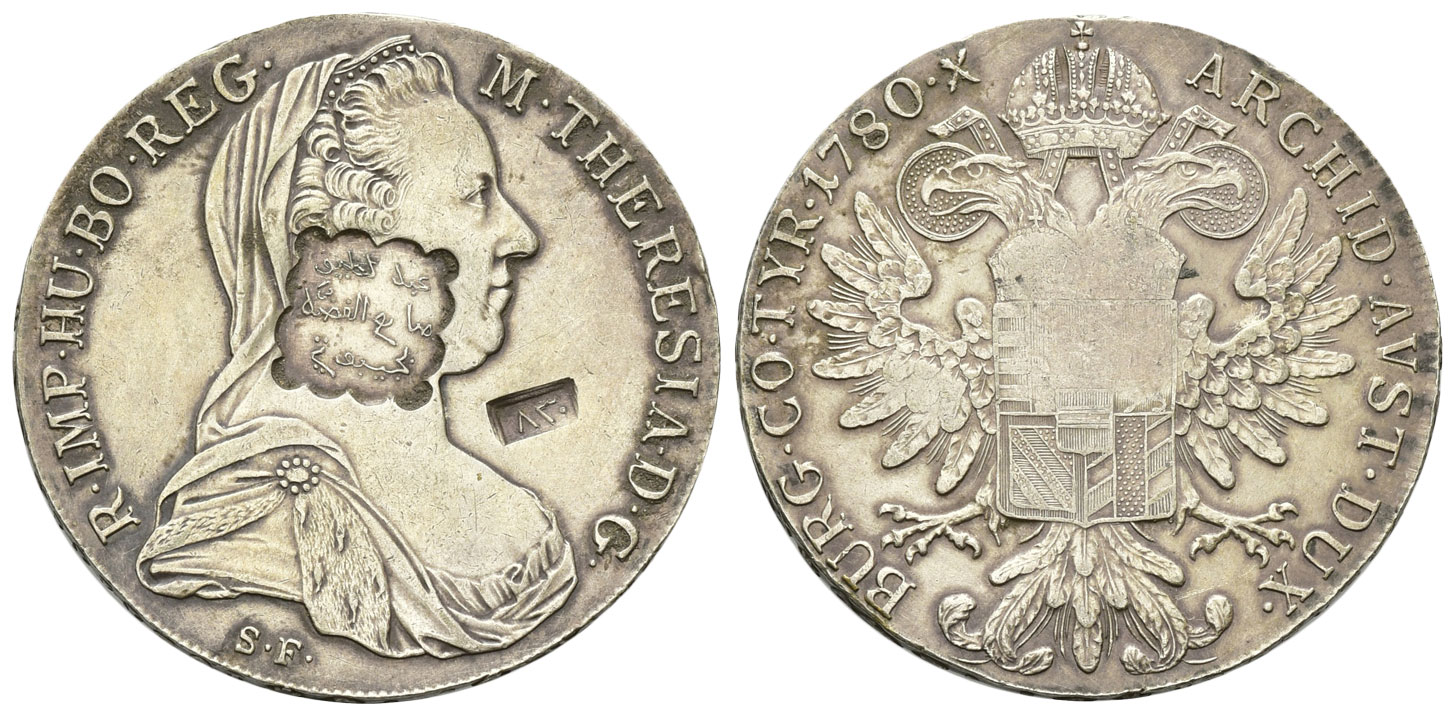
Taler 1780 SF
with counter stamp Djibouti (1870-1900).
Condition: vf
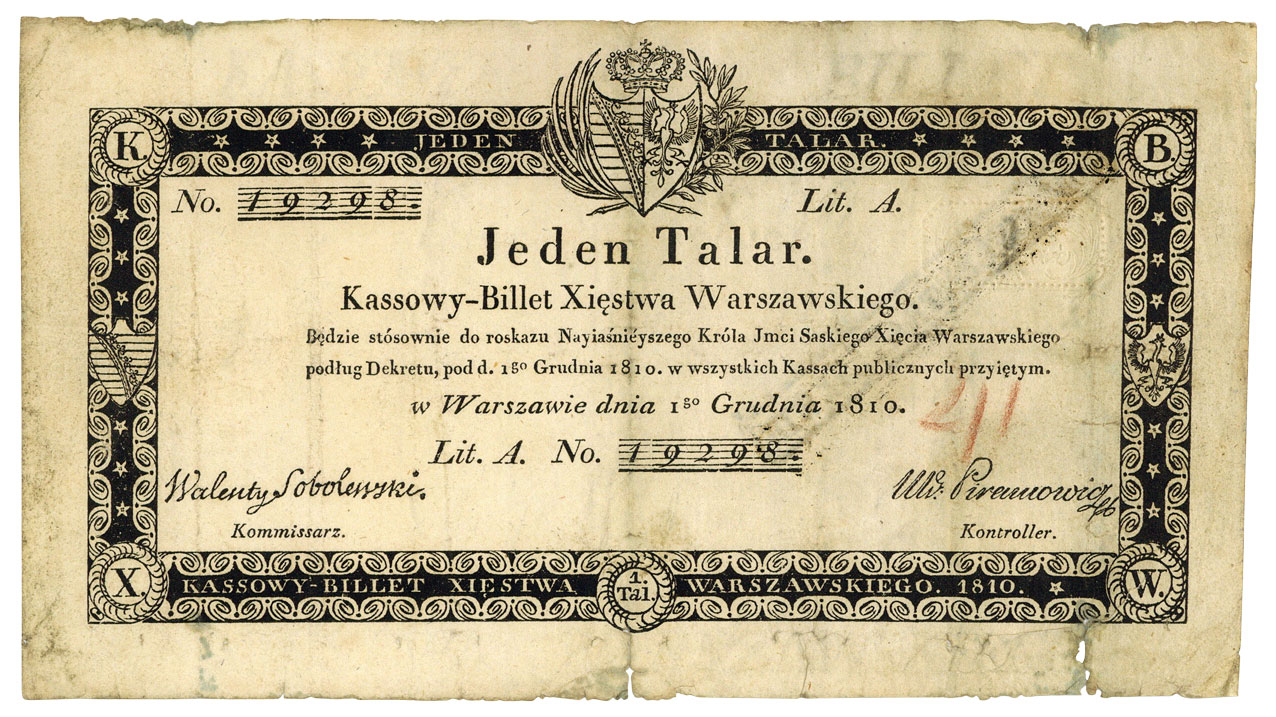
1 Talar 1. December 1810.
Condition: III-IV
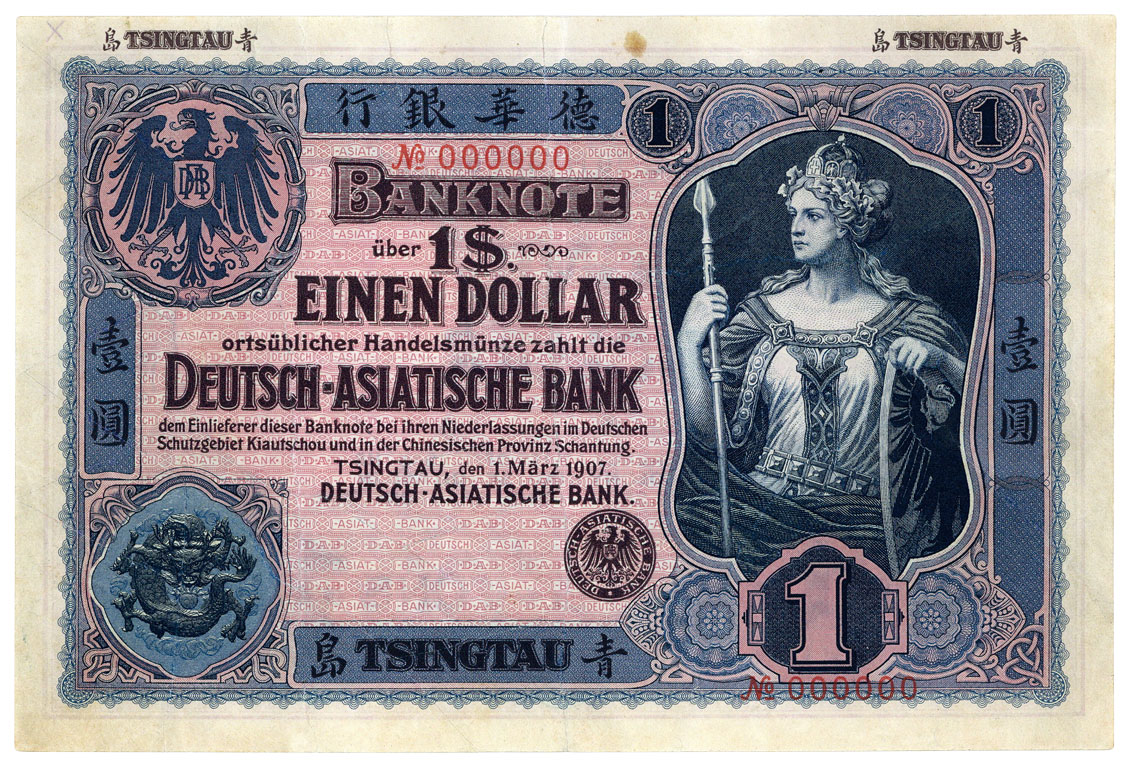
1 Dollar 1.3.1907, Tsingtao.
Condition: very rare, restored
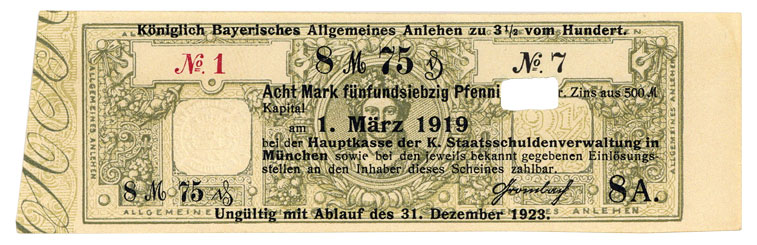
Royal Bavarian General Loan.
8.75 Marks, March 1, 1919.
Condition: rare, I
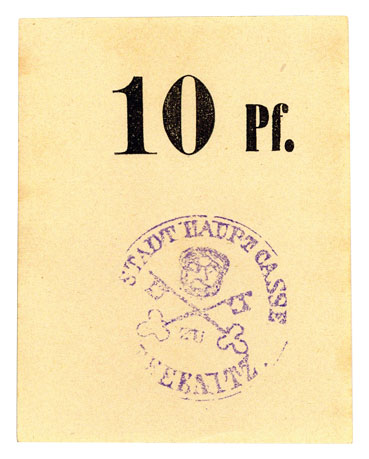
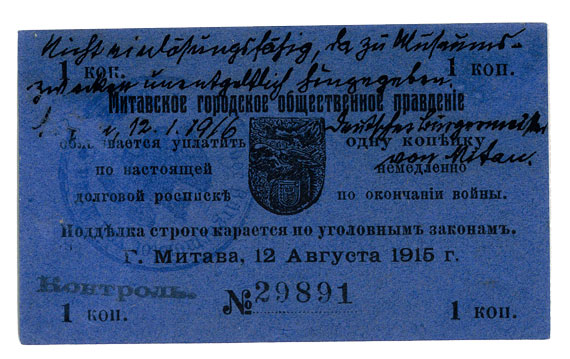
Archive: People and Markets
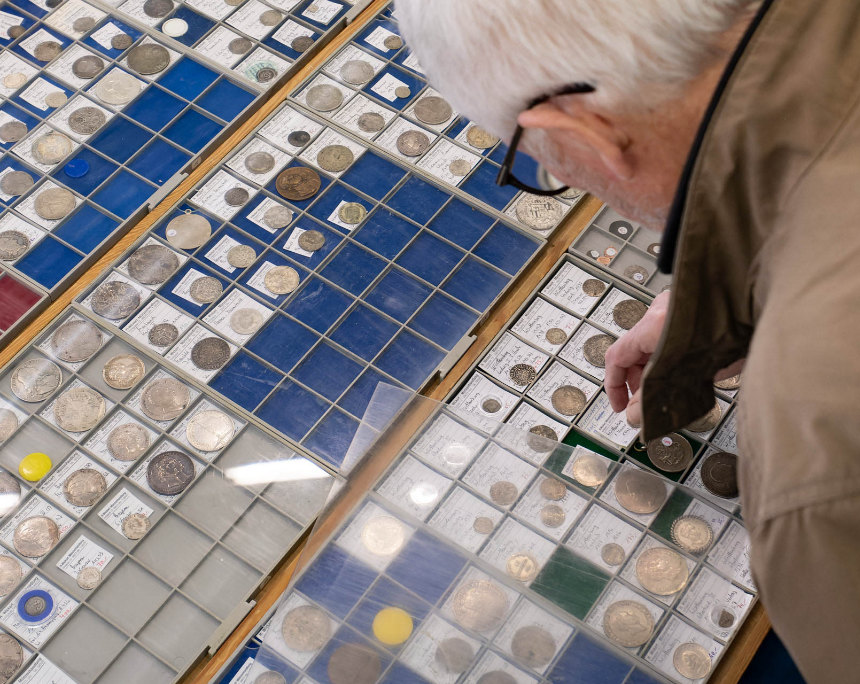
From a Collector’s Market to an Investor’s Market: Reasons, Consequences, Opportunities, Part 1
Complaining is of no use: change is coming, or may already be here. The question is how to deal with it. In order to develop smart strategies, one must be aware of what is actually happening and why. Ursula Kampmann summarizes the most important changes in the coin world in a loose series. Today: the shift from a collector to an investor market.
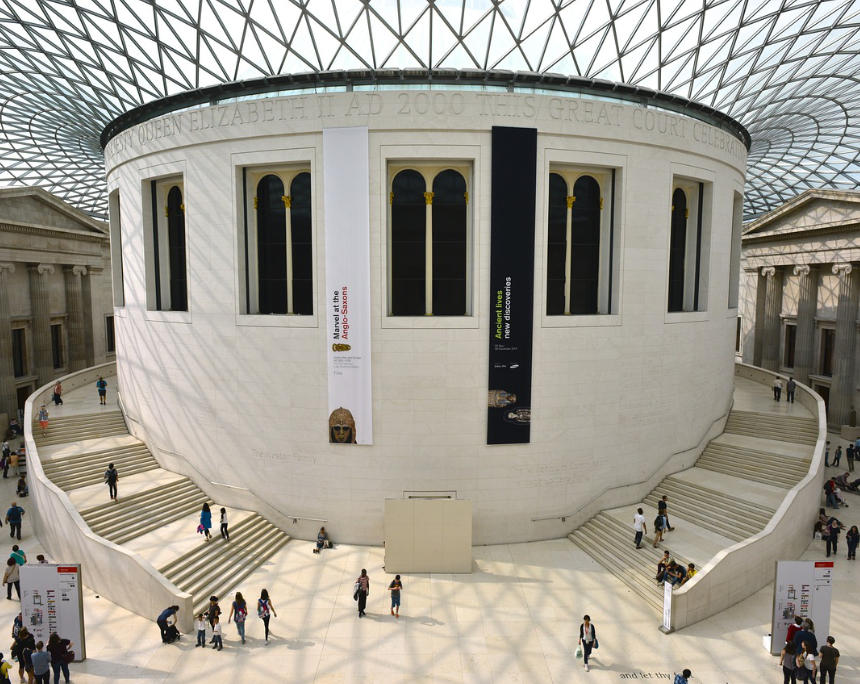
Red Alert at the British Museum
Thousands of objects have disappeared from the British Museum – allegedly stolen by a senior curator. The matter was uncovered by an antiquities dealer, whose warnings fell on deaf ears. The museum’s director has stepped down, and this seems to be merely the tip of the iceberg.
Archive: Coins, Medals and more
 https://new.coinsweekly.com/wp-content/uploads/2023/06/00_DSC04222.png
506
500
Bruno
https://new.coinsweekly.com/wp-content/uploads/2023/01/logo-coinsweekly_590x204.png
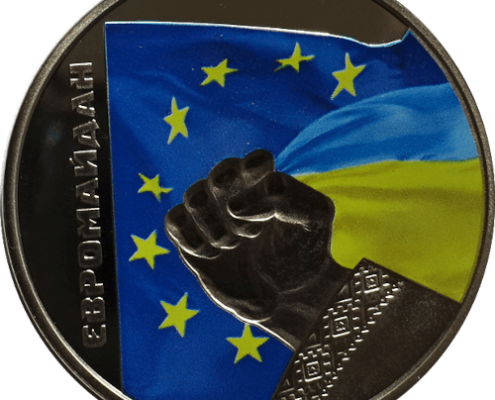
Bruno2022-06-13 12:00:452023-07-03 12:18:15The National Identity of Modern Ukraine on its Commemorative Coins
https://new.coinsweekly.com/wp-content/uploads/2023/06/00_DSC04222.png
506
500
Bruno
https://new.coinsweekly.com/wp-content/uploads/2023/01/logo-coinsweekly_590x204.png
Bruno2022-06-13 12:00:452023-07-03 12:18:15The National Identity of Modern Ukraine on its Commemorative Coins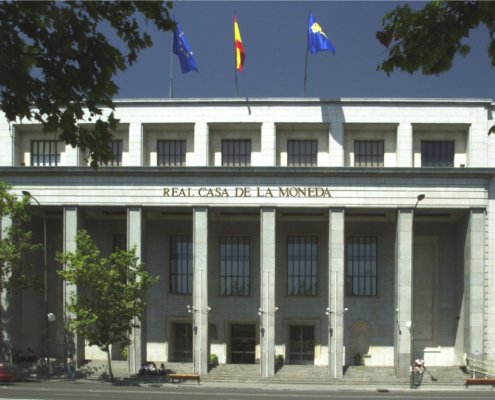 https://new.coinsweekly.com/wp-content/uploads/2024/07/2024KW28HA_00.jpg
684
860
Ursula Kampmann
https://new.coinsweekly.com/wp-content/uploads/2023/01/logo-coinsweekly_590x204.png
Ursula Kampmann2024-07-11 11:04:462024-07-11 11:19:29The Casa de la Moneda Museum in Madrid
https://new.coinsweekly.com/wp-content/uploads/2024/07/2024KW28HA_00.jpg
684
860
Ursula Kampmann
https://new.coinsweekly.com/wp-content/uploads/2023/01/logo-coinsweekly_590x204.png
Ursula Kampmann2024-07-11 11:04:462024-07-11 11:19:29The Casa de la Moneda Museum in Madrid
Classical Numismatics Gets Off to a Great Start to 2024 in New York
The 52nd New York International Numismatic Convention was held from 12 to 14 January at the InterContinental New York Barclay Hotel. All the “sold” signs on the dealers’ tables clearly show that classical numismatics is still in high demand.
Baldrs Horse: Detectorist Makes “Find of the Century” in Norway
On the Norwegian island of Rennesøy, a metal detectorist recently made an extraordinary gold find that was buried long before the Viking Age. The nine coin-like gold pendants engraved with rare horse symbols discovered along with ten gold beads and three gold rings are the first find of this kind in Norway since the 19th century.