







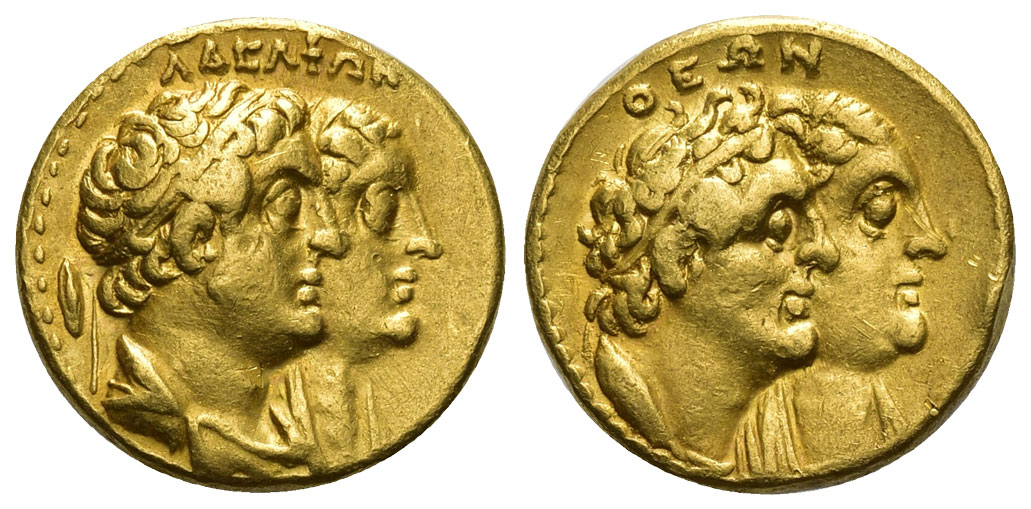
AV Tetradrachm (282–272 BC),
King Ptolemy II and Queen Arsinoe II.
From the major collection of Alexandria mint.
Condition: vf+
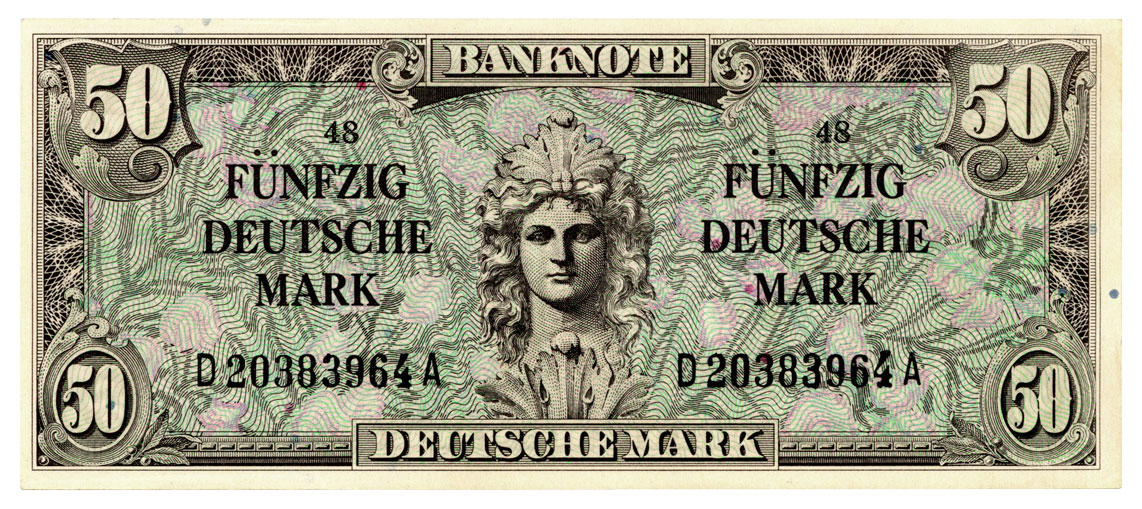
50 Deutsche Mark o.D. ( 1948-1949) "Liberty".
Condition: extremly rare, I
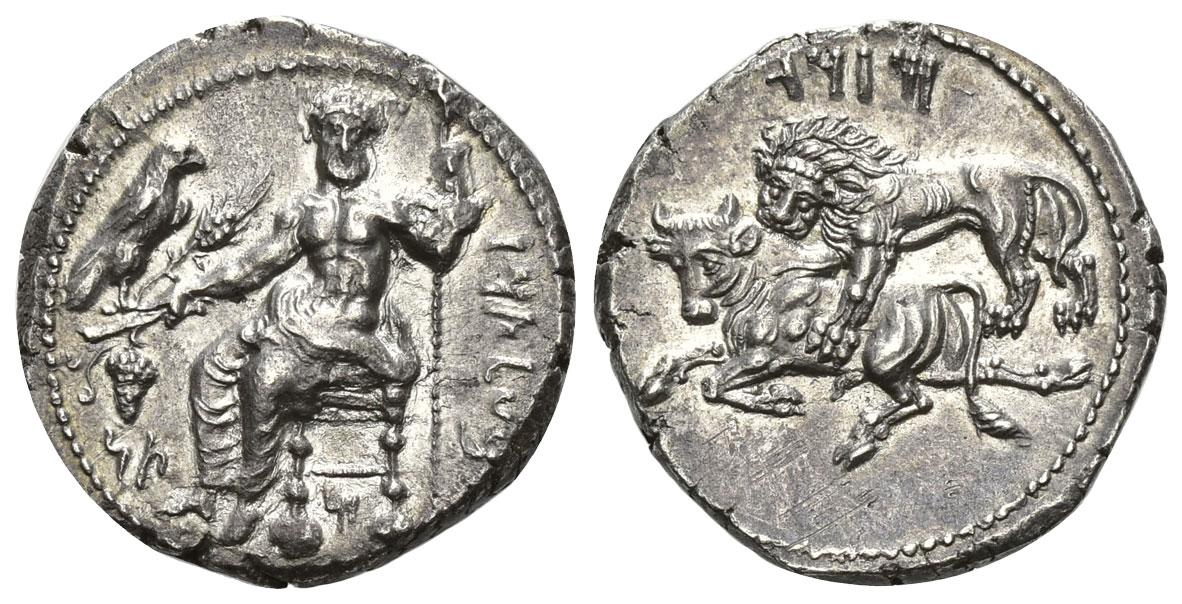
AR Stater (361-334 BC).
Obv. Baal of Tarsos.
Conditon: ef
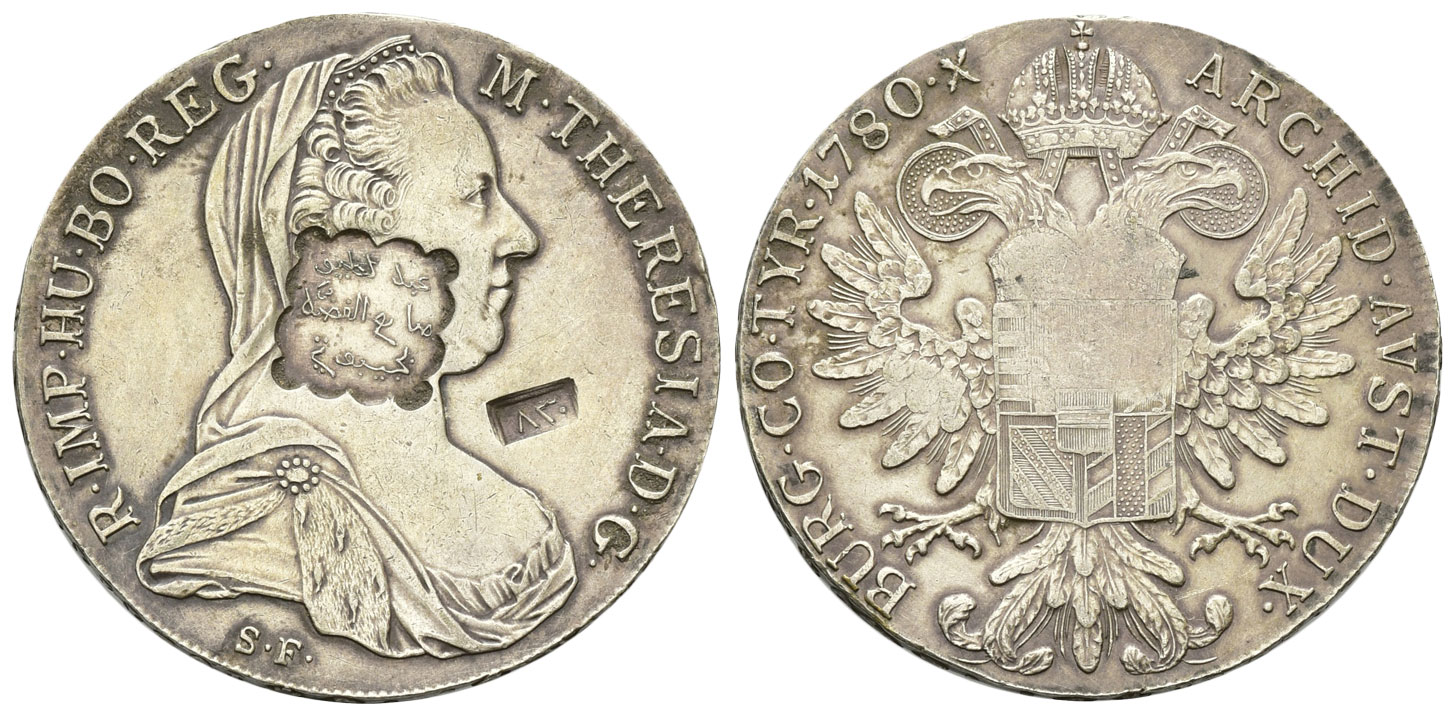
Taler 1780 SF
with counter stamp Djibouti (1870-1900).
Condition: vf
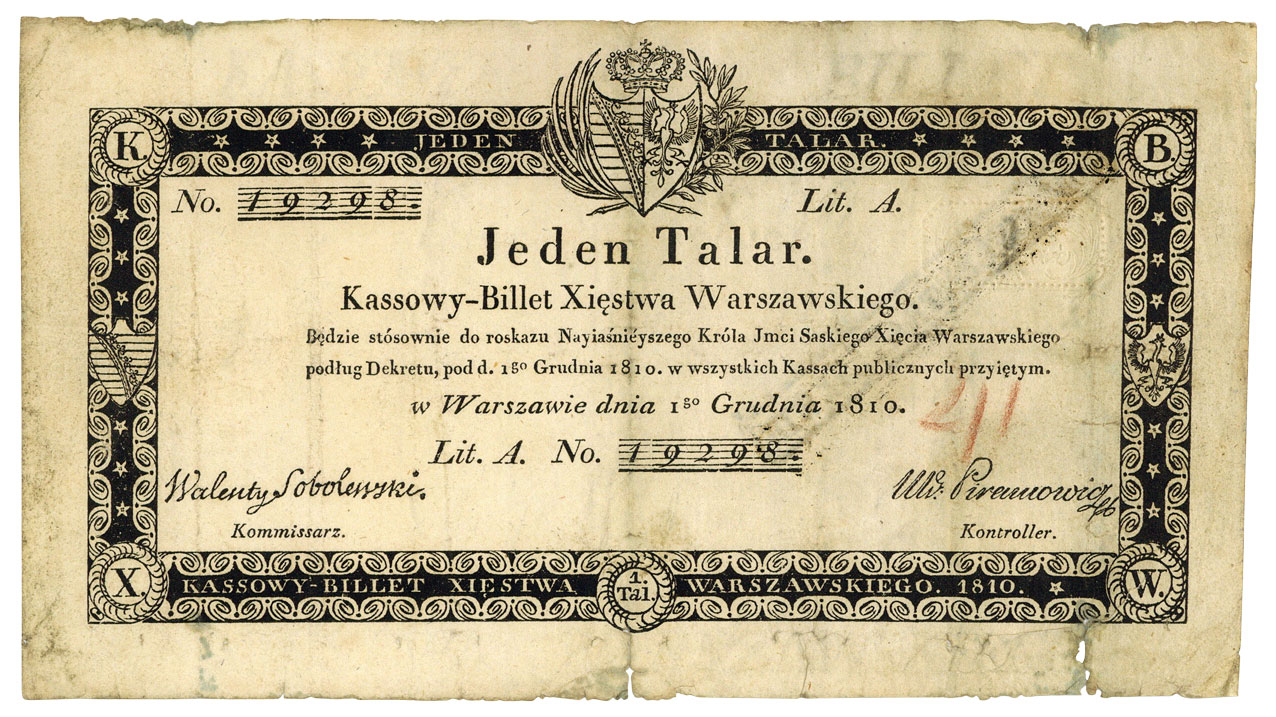
1 Talar 1. December 1810.
Condition: III-IV
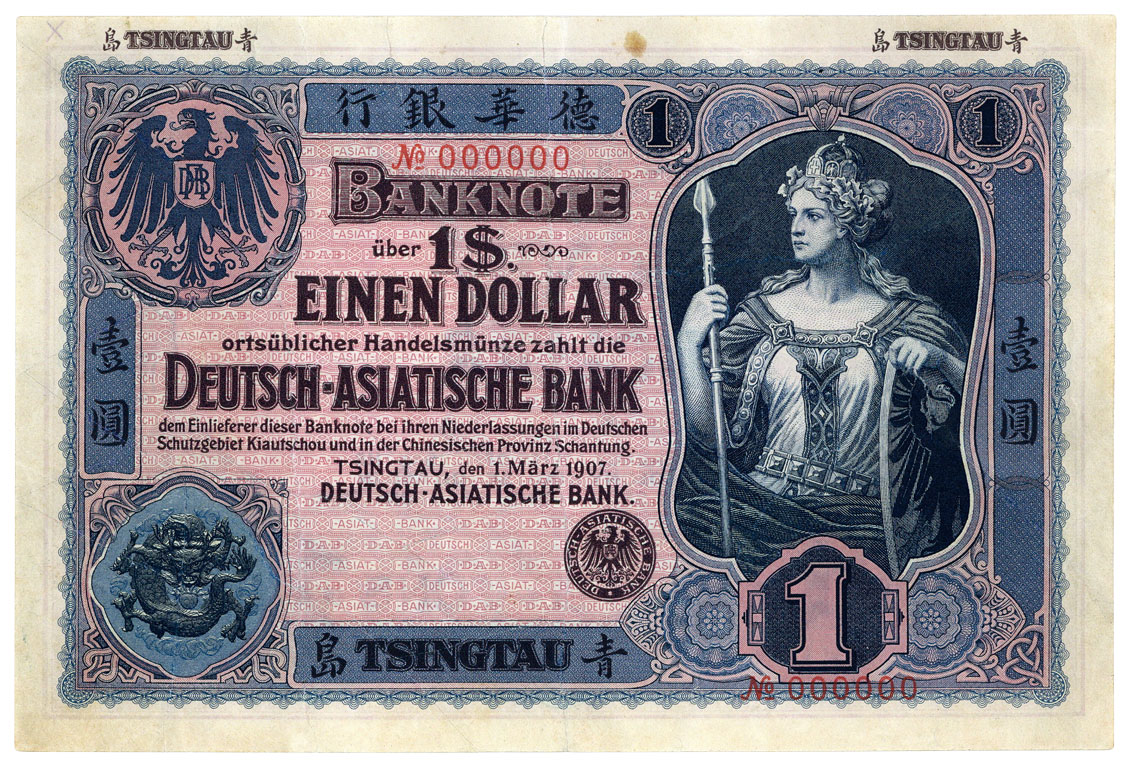
1 Dollar 1.3.1907, Tsingtao.
Condition: very rare, restored
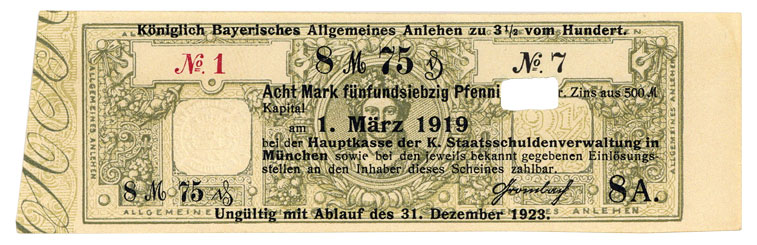
Royal Bavarian General Loan.
8.75 Marks, March 1, 1919.
Condition: rare, I
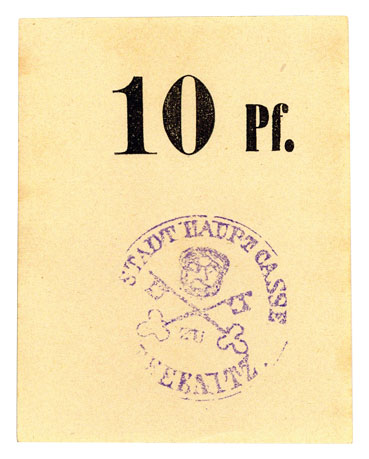
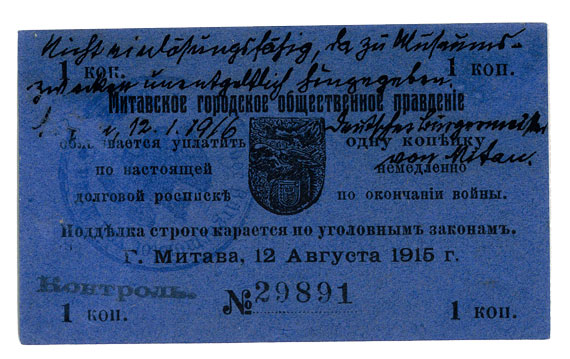
Archive: People and Markets
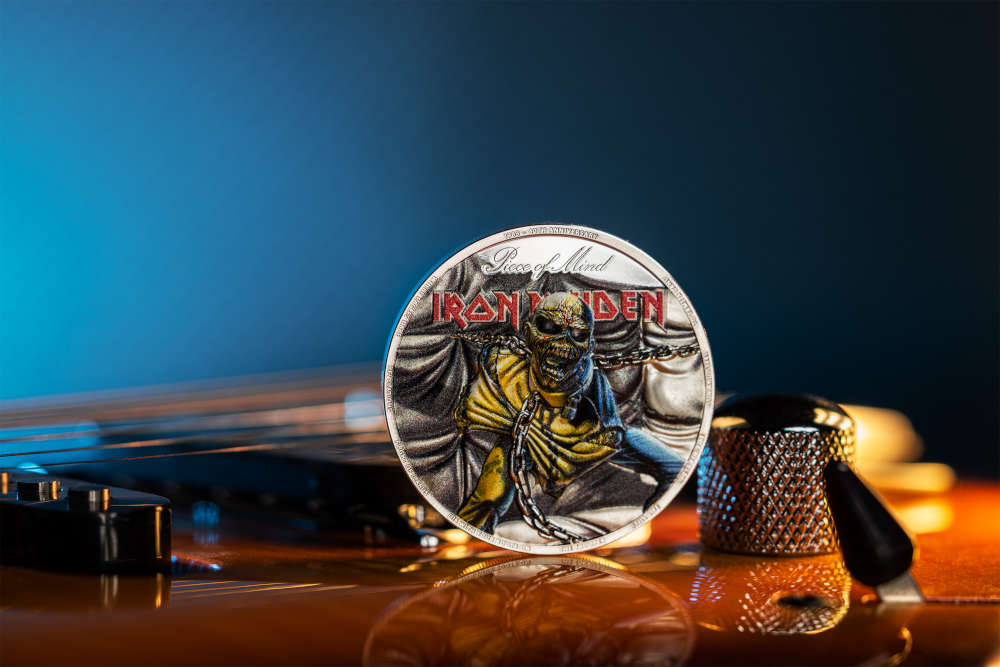
CIT’s Iron Maiden – Piece of Mind
Again CIT pays tribute to the British heavy metal band Iron Maiden. In 2023, CIT’s coin is dedicated to the band’s fourth studio album “Piece of Mind”.
The Winners of the COTY Award 2024
At the World’s Fair of Money, the winners of the prestigious Coin of the Year (COTY) Awards were honored. Find out here which coins won the category awards and which country took home the award for Coin of the Year.
Archive: Coins, Medals and more
 https://new.coinsweekly.com/wp-content/uploads/2025/02/2025KW08HA01_00.jpg
684
860
Lucie Loechel
https://new.coinsweekly.com/wp-content/uploads/2023/01/logo-coinsweekly_590x204.png
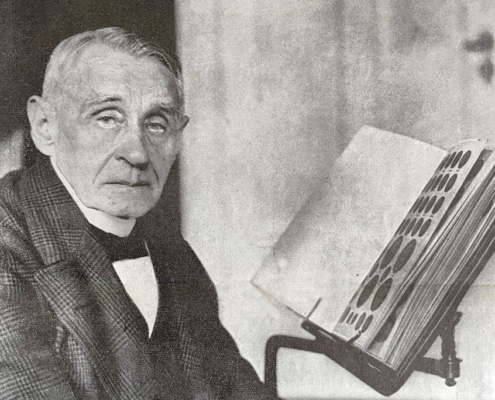
Lucie Loechel2025-02-20 09:21:132025-02-20 09:49:19L. E. Bruun: A Collector in His Time
https://new.coinsweekly.com/wp-content/uploads/2025/02/2025KW08HA01_00.jpg
684
860
Lucie Loechel
https://new.coinsweekly.com/wp-content/uploads/2023/01/logo-coinsweekly_590x204.png
Lucie Loechel2025-02-20 09:21:132025-02-20 09:49:19L. E. Bruun: A Collector in His Time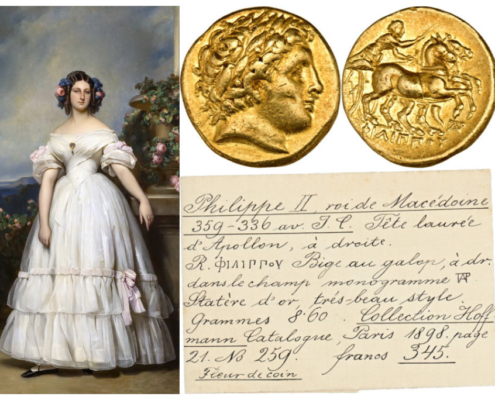 https://new.coinsweekly.com/wp-content/uploads/2024/10/2024KW43HA_00.jpg
684
860
Lucie Loechel
https://new.coinsweekly.com/wp-content/uploads/2023/01/logo-coinsweekly_590x204.png
Lucie Loechel2024-10-24 10:15:002024-10-24 13:59:31Clémentine d’Orléans: Extraordinary Woman and Coin Collector
https://new.coinsweekly.com/wp-content/uploads/2024/10/2024KW43HA_00.jpg
684
860
Lucie Loechel
https://new.coinsweekly.com/wp-content/uploads/2023/01/logo-coinsweekly_590x204.png
Lucie Loechel2024-10-24 10:15:002024-10-24 13:59:31Clémentine d’Orléans: Extraordinary Woman and Coin Collector
Ephesus Experience Museum – Symphony on a World Heritage Site
Visitors to the ruins of ancient Ephesus will now find an additional museum on the site. The focus here is not on originals, but on atmospheric installations and technical projections of the highest standard. The experience was created by Atelier Brückner.
Daniel Frank Sedwick, LCC
Daniel Frank Sedwick, LCC⸱ Auction 35⸱ 7-9 May 2024 ⸱ US-Winter Park
The Daniel Frank Sedwick Auction 35 contains a wide variety of rare, historical, and even unique coins, currency, and artifacts, including shipwreck coins and gold and silver cobs.